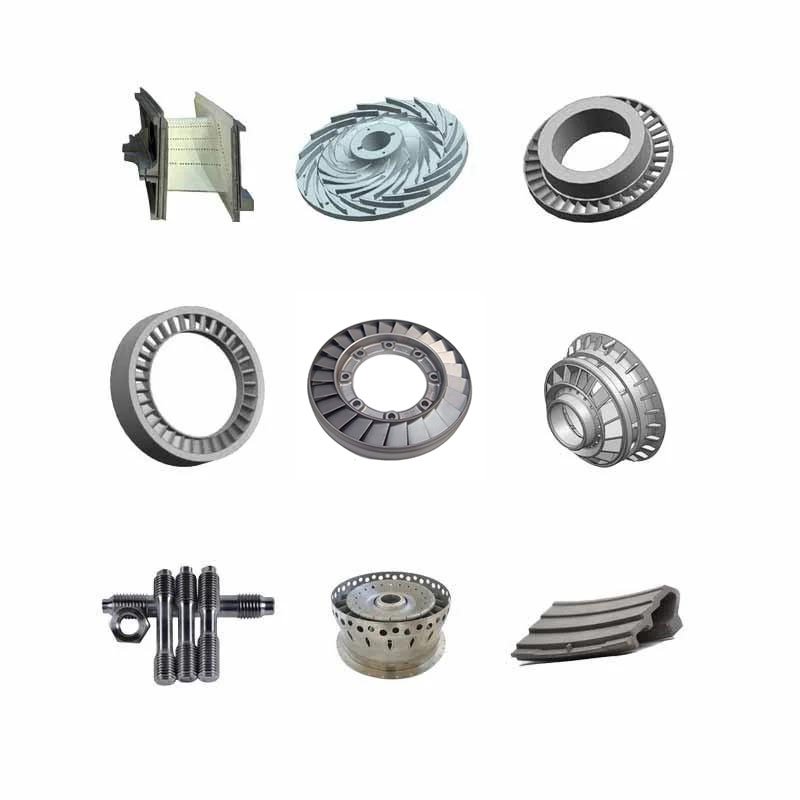
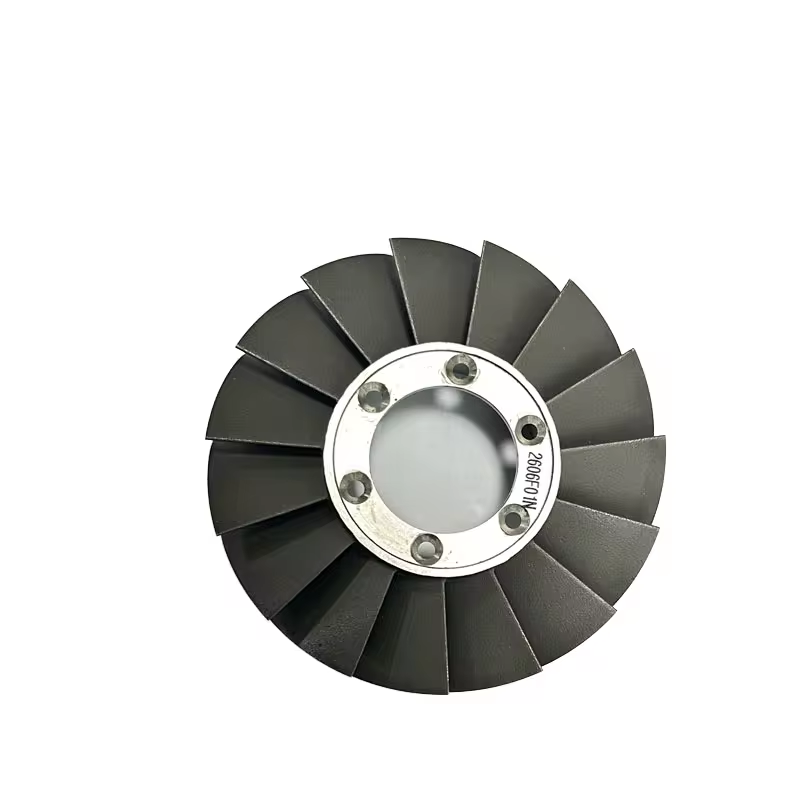
تُعد شفرات التوربينات مكونات أساسية في التوربينات الغازية، حيث تُستخدم لاستقبال الطاقة الحركية من تدفق الهواء عالي الحرارة والضغط، ودفع قرص التوربين للدوران، وبالتالي تشغيل الجهاز الميكانيكي.
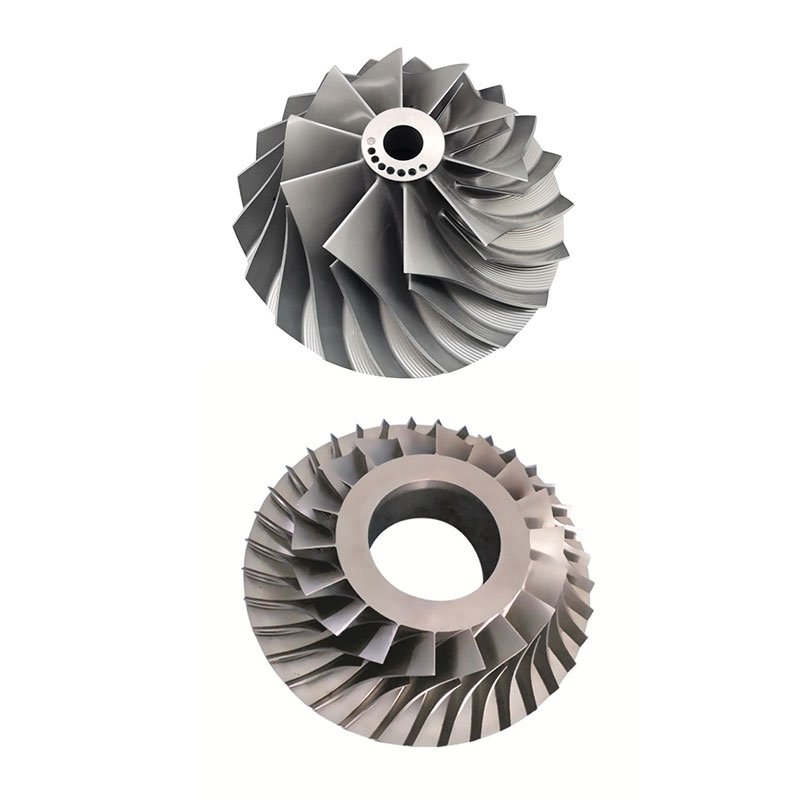
يُعد قرص التوربين أحد المكونات الدوارة الرئيسية في التوربين، وهو مسؤول عن دعم ريش التوربين ونقل الطاقة الحركية، وتحويل الطاقة الغازية إلى طاقة ميكانيكية.
الجزء الثابت
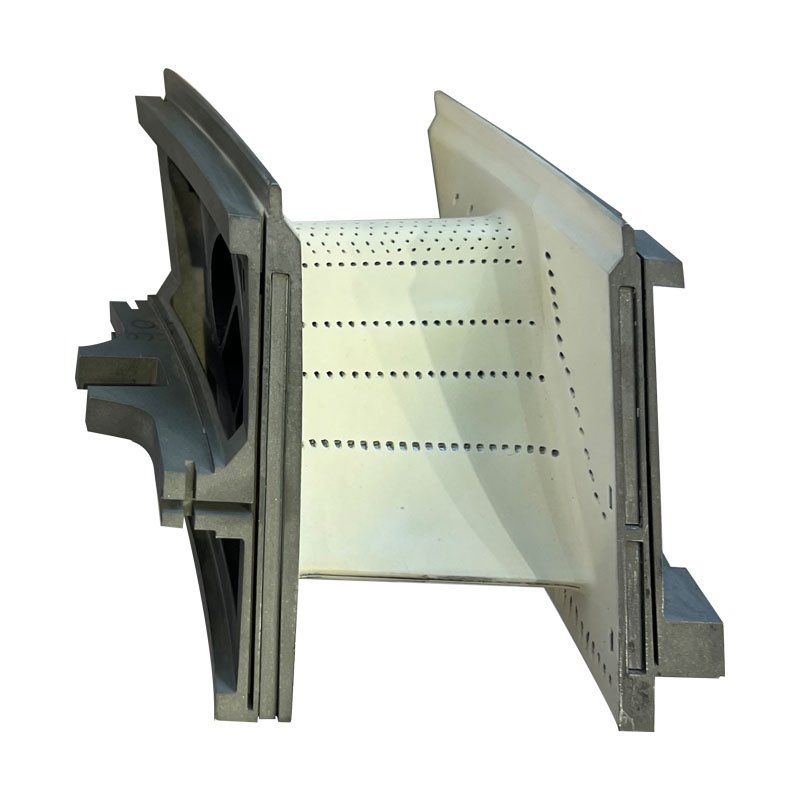
الجزء الثابت هو مكون ثابت في التوربين الغازي، يُستخدم لتوجيه تدفق الهواء بحيث يتفاعل مع شفرات التوربين ويحسن كفاءة تحويل الطاقة.
الدوار
الدوار هو مكون دوار في التوربين الغازي، ويشمل قرص التوربين ودوار الضاغط، وهو المسؤول عن استقبال الطاقة الحركية ونقلها لتشغيل الجهاز الميكانيكي.
فوهة التوربين
تُعد فوهة التوربين أحد المكونات الرئيسية في التوربين الغازي، حيث تُستخدم لتوجيه تدفق الهواء عالي السرعة، والتحكم في معدل تدفق الهواء واتجاهه، وتحسين كفاءة تحويل الطاقة الحركية.
ريشة التوجيه
تقع الريشة التوجيهية، المعروفة أيضًا باسم الجناح التوجيهي، داخل التوربين وتُستخدم للتحكم في اتجاه وسرعة تدفق الهواء، وتحسين زاوية دخول تدفق الهواء، وزيادة كفاءة التوربين.
القطعة هي أحد مكونات التوربين، وتوجد عادةً في جزء الضاغط من التوربين الغازي، وتُستخدم لزيادة الطاقة الحركية لتدفق الغاز وخفض الضغط.
الربيع
تؤدي النوابض أدوارًا متنوعة في التوربينات الغازية، مثل الحفاظ على موضع المكونات وتوفير الدعم المرن.
البراغي والصواميل
تُستخدم البراغي والصواميل لربط وتثبيت المكونات المختلفة للتوربين الغازي لضمان إحكام التوصيل والاستقرار بين المكونات.
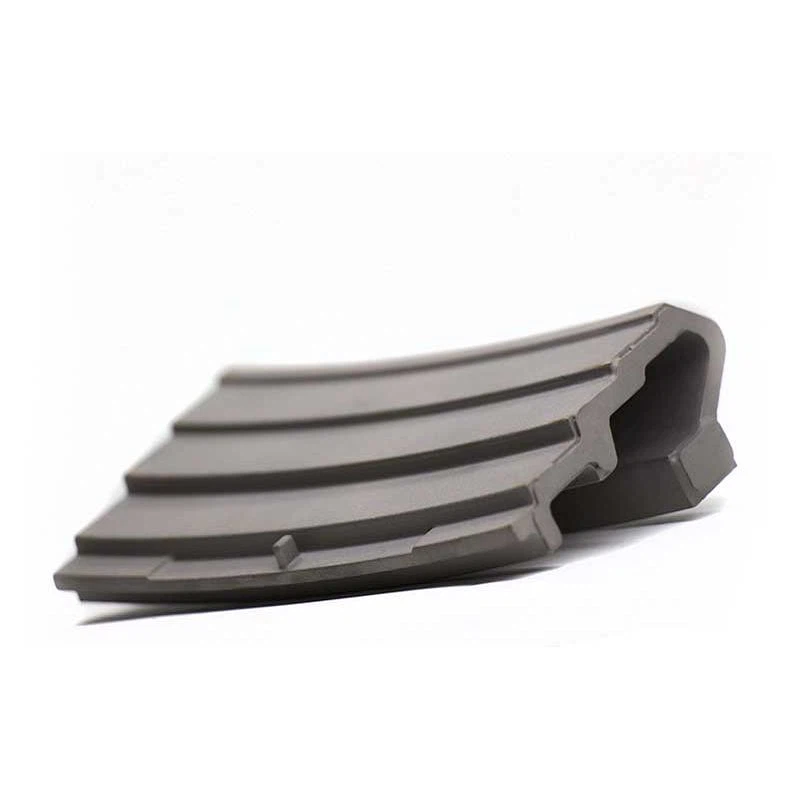
Directional casting turbine parts have the following characteristics
قوة عالية
Directional solidification aligns the grains in the direction of force, improving the strength and rigidity of the material.
Good heat resistance
Able to maintain stable performance in high temperature environments, suitable for high temperature applications such as turbine engines.
Precise size and shape
Turbine parts with complex shapes can be produced to meet high precision requirements.
Improved fatigue life
Directional solidification reduces grain boundaries and defects, improving the fatigue life of turbine parts.
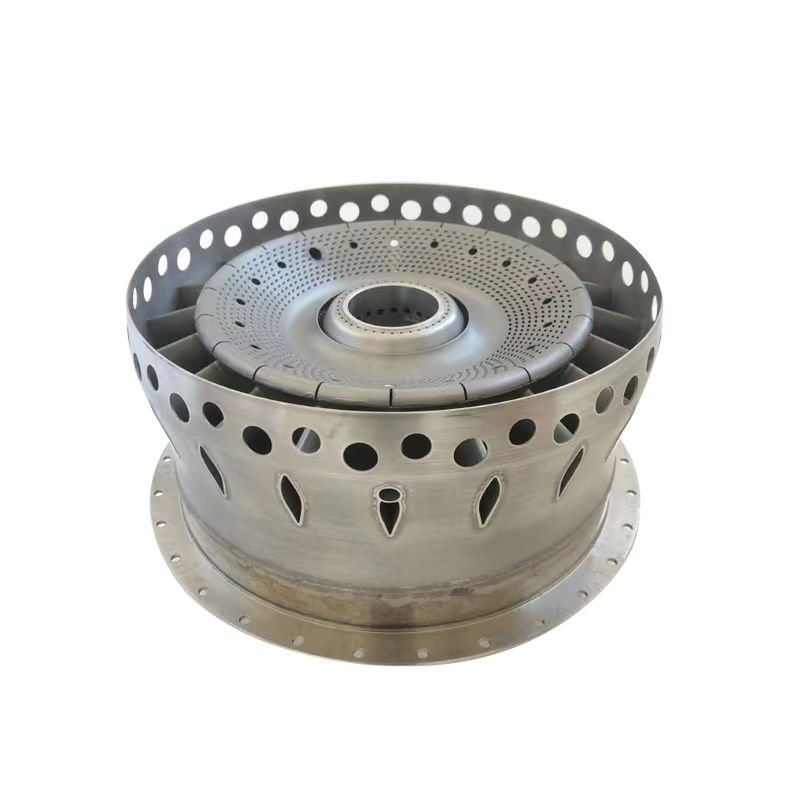
Regarding the use temperature, different types of turbine parts and application scenarios will be different. Generally speaking, some advanced أجزاء التوربينات can work at temperatures of hundreds or even thousands of degrees Celsius. For example, turbine parts used in aircraft engines may have to withstand extremely high temperatures, while in other fields the temperature requirements may be relatively low. The specific use temperature will also be affected by many factors such as material properties and cooling system.
The process flow of directional casting turbine parts generally includes the following steps
Prepare the mold. The design of the mold must meet the shape and size requirements of the turbine parts
Inject the molten metal material into the mold. During the injection process, the temperature and flow rate and other parameters must be accurately controlled
Cool and solidify. During this process, specific technical means must be used to guide the metal grains to grow in a predetermined direction
After solidification, the casting is demolded
A series of subsequent processing is required, such as machining, heat treatment, etc., to further optimize the performance and dimensional accuracy of the parts
Perform quality inspection on the finished product to ensure that it meets relevant standards and requirements.

 English
 Arabic
 Moroccan Arabic
 Dutch
Dutch French
 German
 Italian
 Polish
 Portuguese
 Russian
 Spanish
 Turkish
 Azerbaijani
 Indonesian
 Thai
Thai Japanese
 Korean
 Malay
Malay Myanmar
 Serbian
 Swedish
 Vietnamese