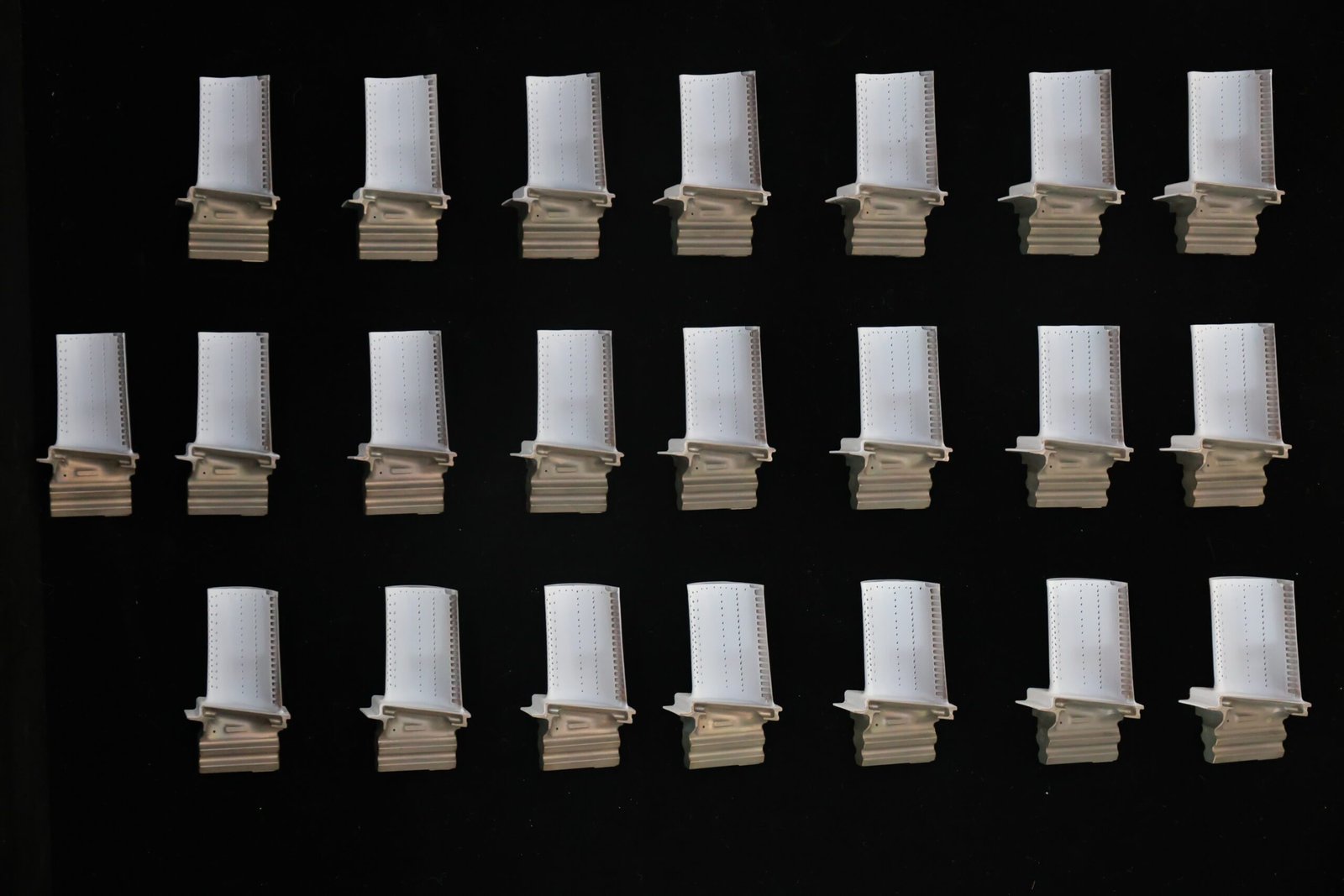
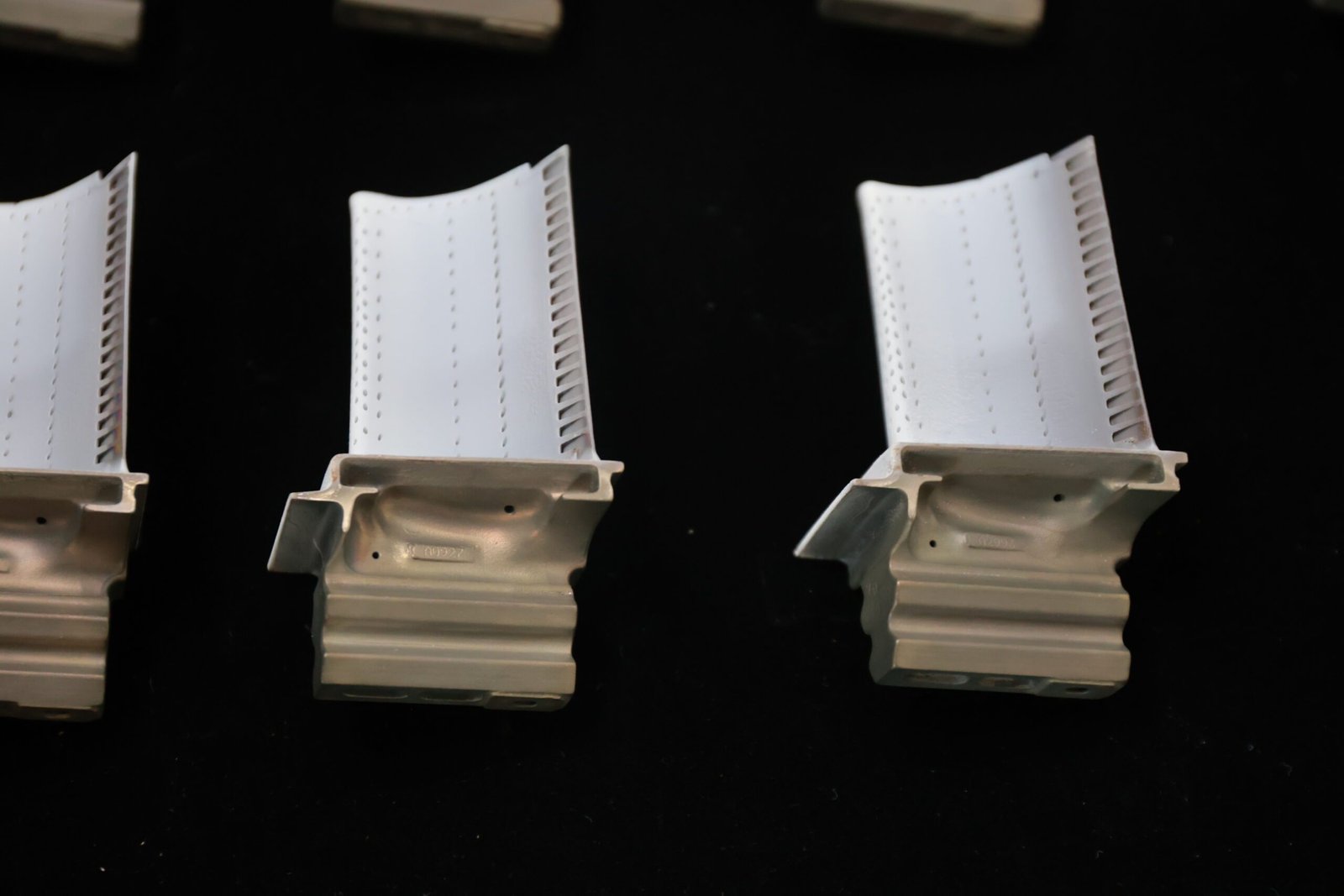
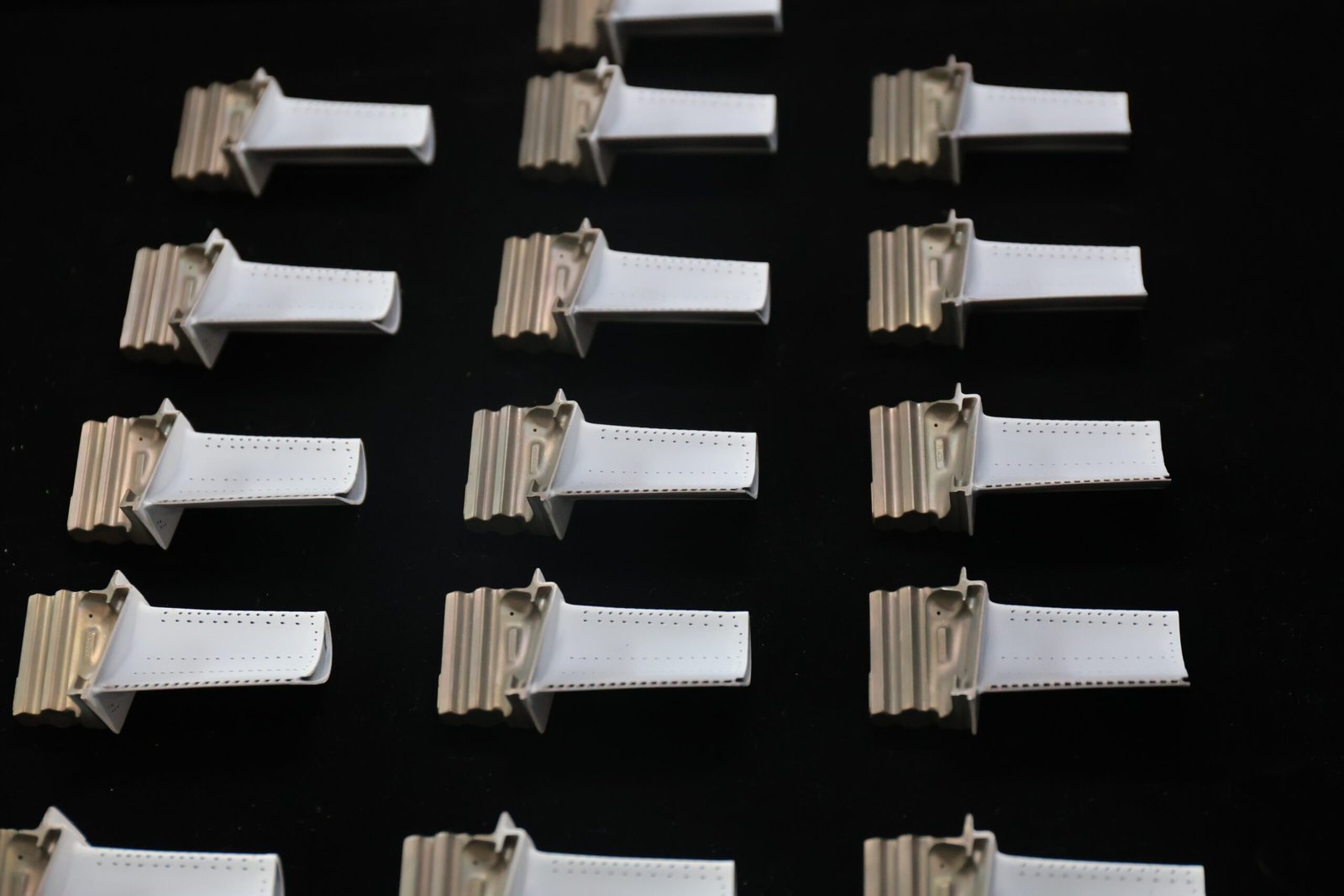
We restore worn and damaged turbine blades to serviceable condition through an advanced multi-stage process.
Each blade undergoes rigorous inspection using advanced NDT methods, dimensional verification, and material testing to guarantee airworthiness. Our refurbishment meets or exceeds CFM International specifications for the CFM56-3, -5B, -5C, and -7B engine series.
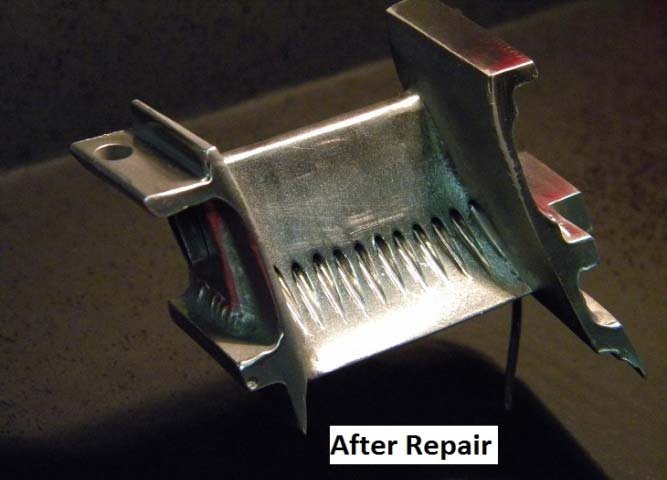
CFM56 turbine blade refurbishment is a cost-effective process that extends blade service life while maintaining OEM standards.
The procedure includes:
Stripping old protective coatings
Repairing worn surfaces through laser cladding
Restoring metallurgical properties via heat treatment
Reapplying thermal barrier coatings for operational protection
CFM-56 Comprehensive MRO Service
Keep your CFM56 fleet flying with our full-spectrum maintenance, repair, and overhaul solutions. From routine inspections to complete overhauls, we deliver world-class engine care tailored to your operational needs.
What We Offer
Customized maintenance solutions for fleets of any size—whether you operate two engines or two hundred. Our advanced facilities support all CFM56 variants (CFM56-2, CFM56-3, CFM56-5A/B, CFM56-7B) with proven expertise and cutting-edge technology.
Maximum Value
Lower fuel costs, extended time on wing, and reduced maintenance expenses CFM International—that’s the CFM56 advantage. Our MRO services preserve these benefits while minimizing downtime and optimizing your operational budget.
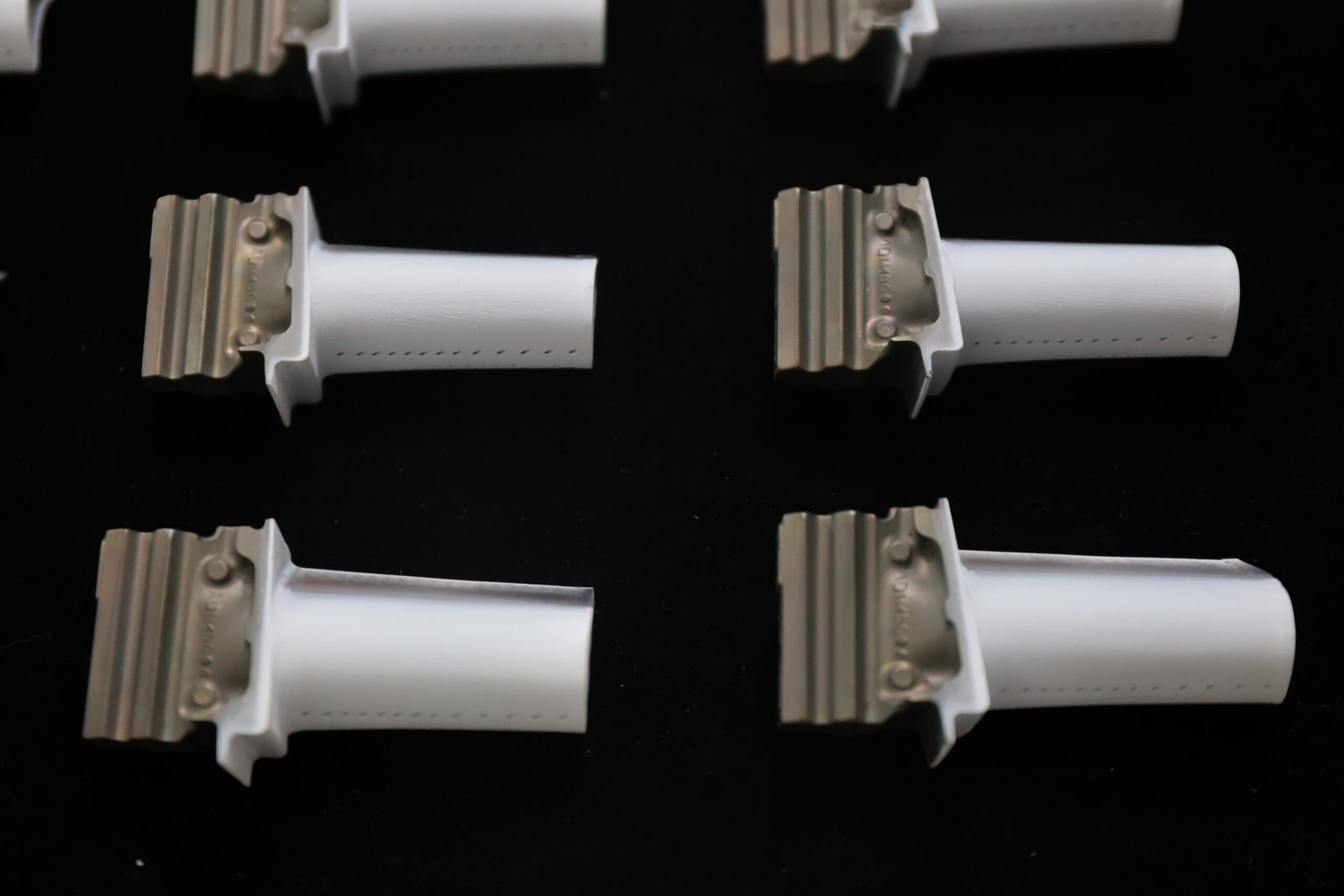
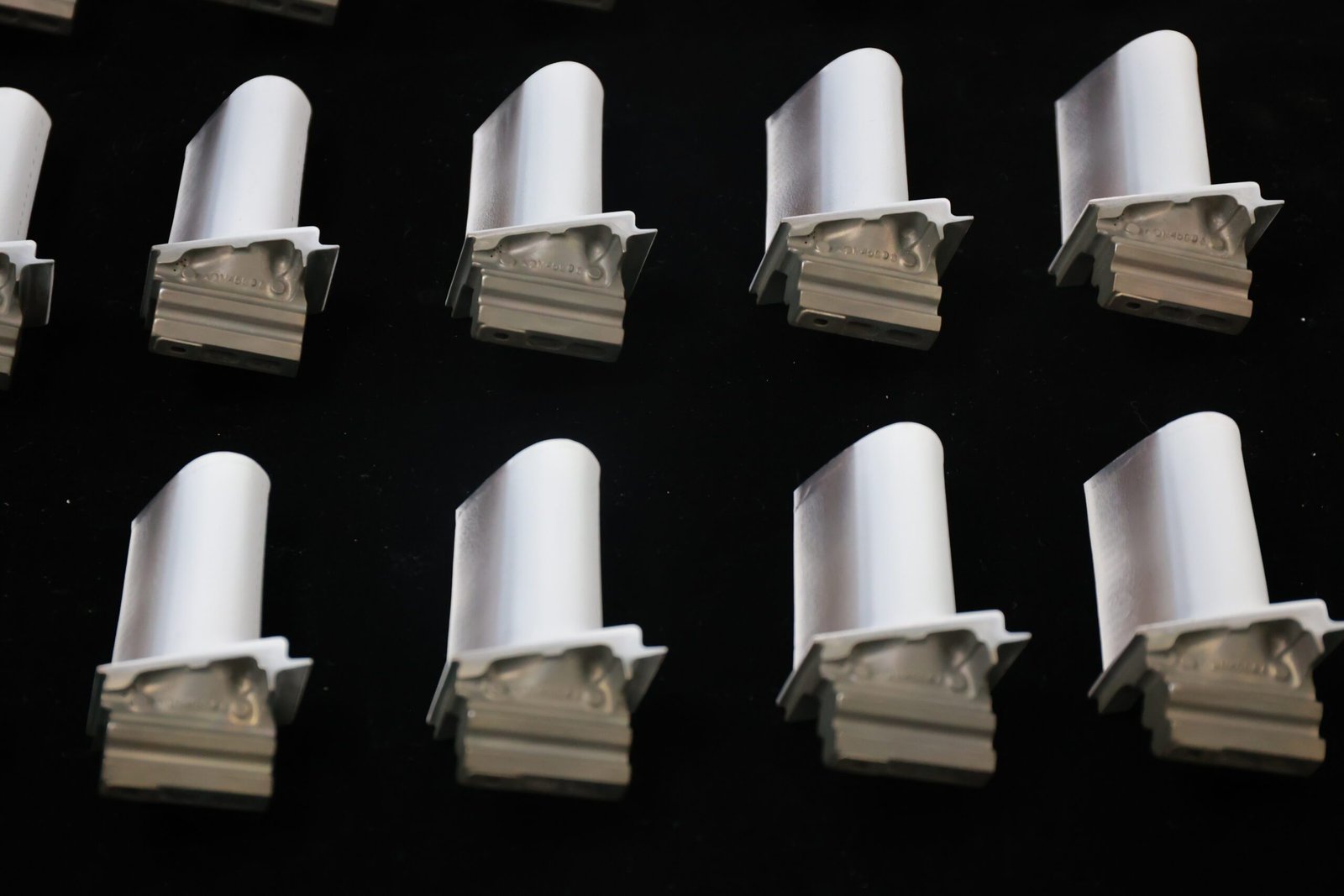
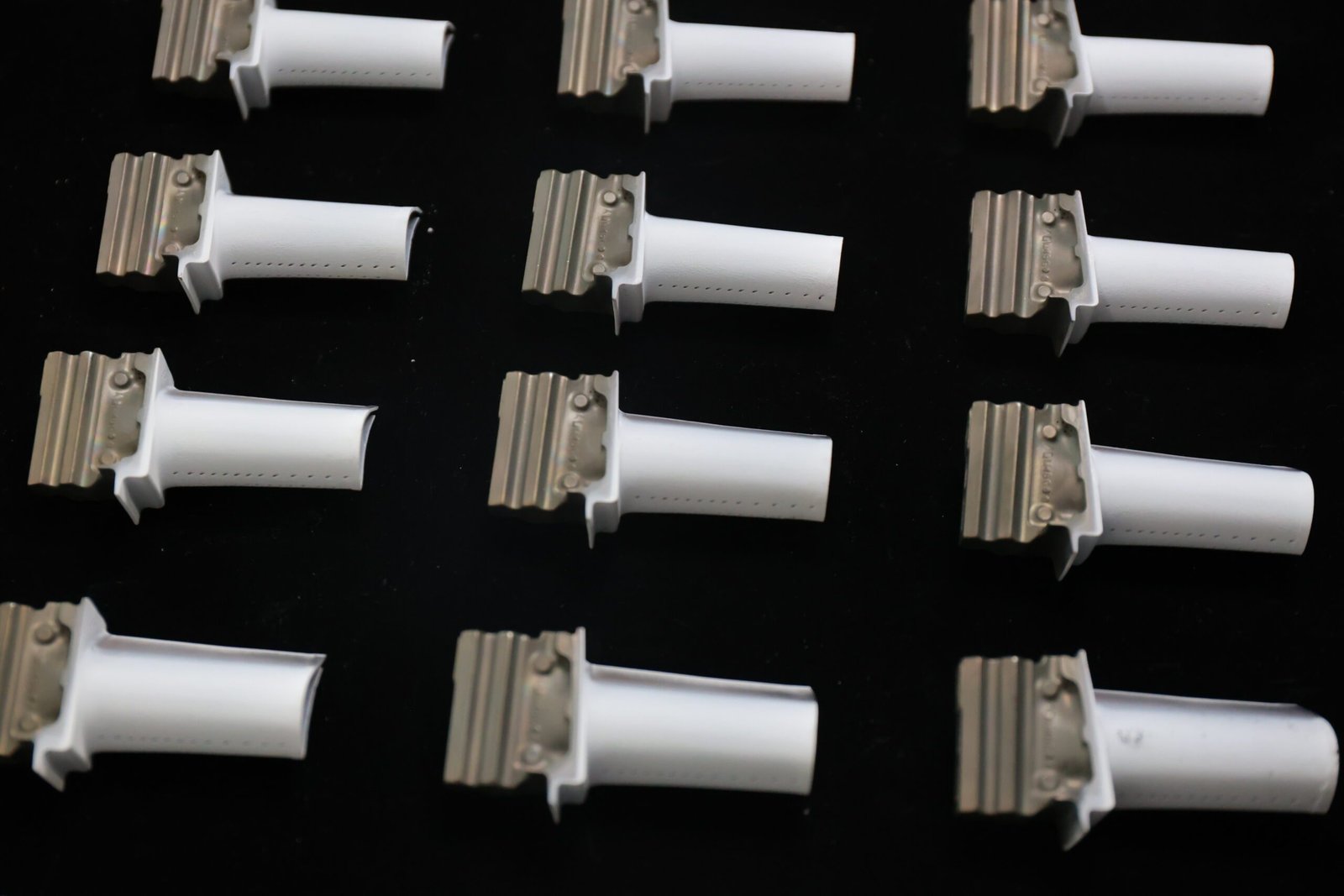
Refurbished Blades
CFM-56 Turbine Blade (1)
CFM-56 Turbine Blade (2)
CFM-56 Turbine Blade (3)
CFM-56 Turbine Blade (4)
CFM-56 Turbine Blade (6)
CFM-56 Turbine Blade (7)
CFM-56 Turbine Blade (8)
Fluoride ion technology for Turbine blade repair
Fluoride ion cleaning technology is an efficient surface cleaning method, widely used in precision manufacturing, electronics, aerospace and other fields. This technology uses the chemical properties of fluoride to remove oxides on the blade surface and oxides deep in the cracks through chemical reactions or physical actions, greatly reducing the maintenance cost of aircraft engines, greatly improving maintenance efficiency, and solving the processing and repair problems of aircraft engine and gas turbine blades.
Crack tip oxide film pulsed fluoride ion ultra-low damage cleaning technology.
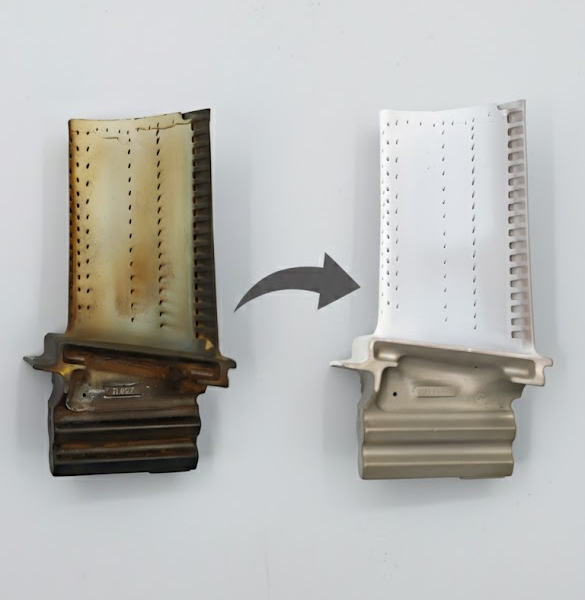
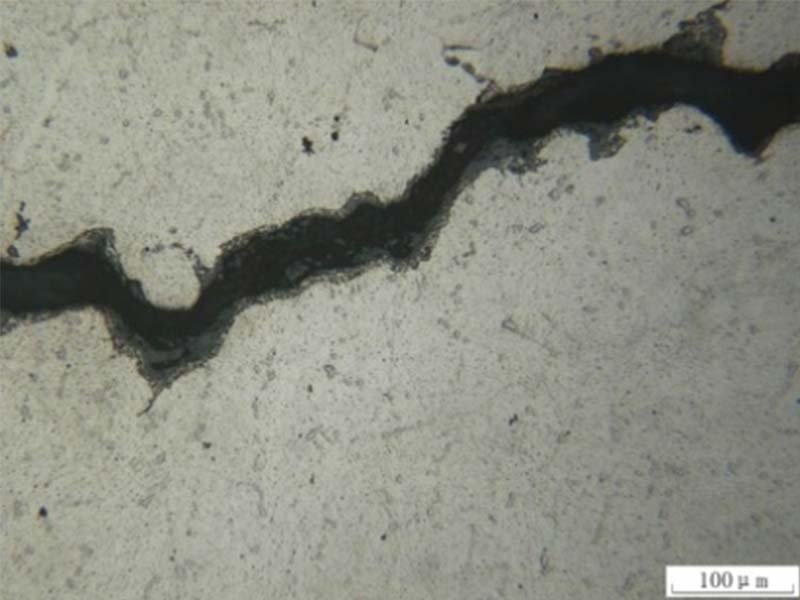
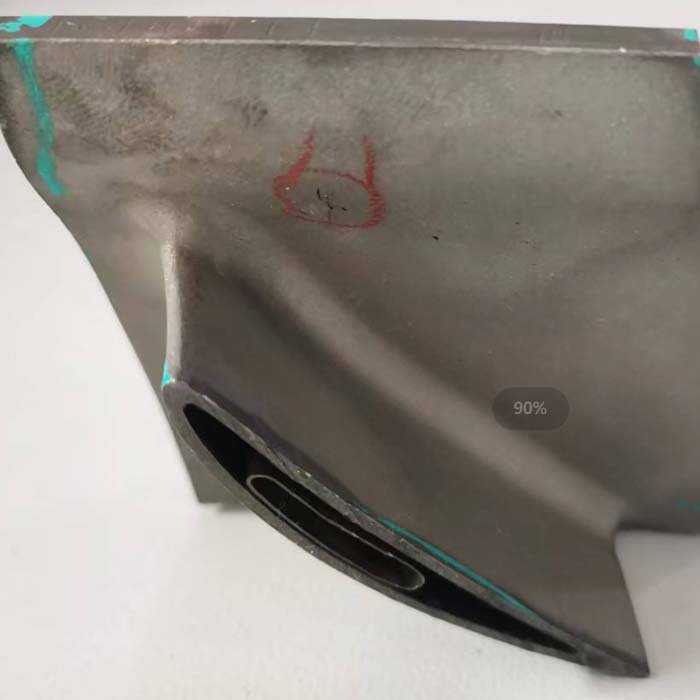
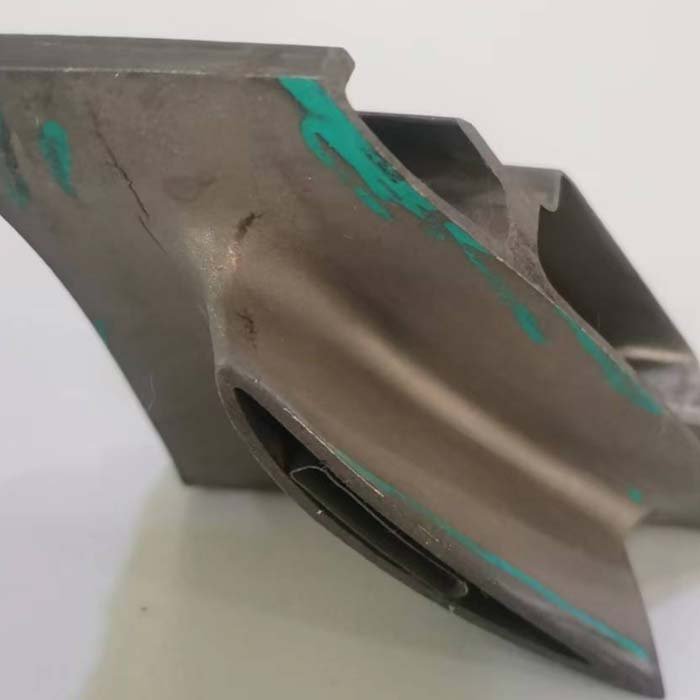
Before Cleaning
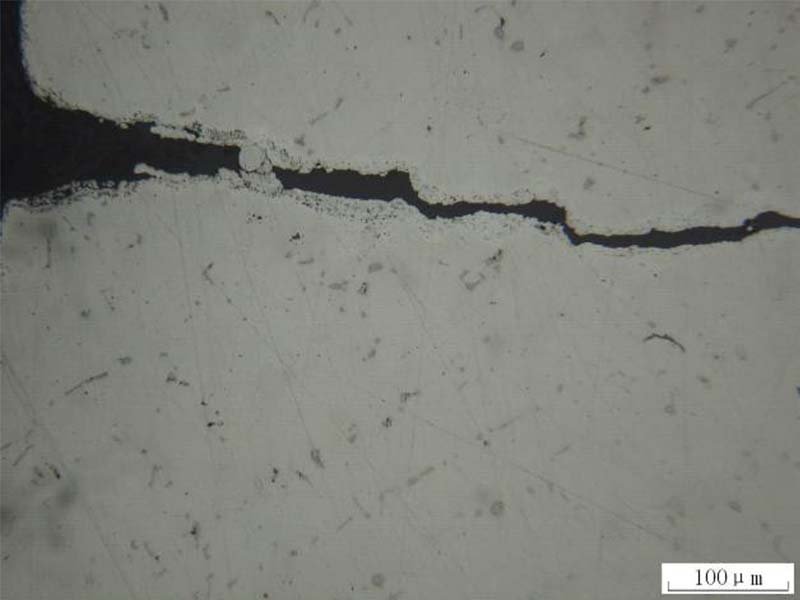
After Cleaning
After Welding
Question
Fluoride ion cleaning technology is an efficient surface cleaning method, widely used in precision manufacturing, electronics, aerospace and other fields. This technology uses the chemical properties of fluoride to remove oxides on the blade surface and oxides deep in the cracks through chemical reactions or physical actions, greatly reducing the maintenance cost of aircraft engines, greatly improving maintenance efficiency, and solving the processing and repair problems of aircraft engine and gas turbine blades.
Crack tip oxide film pulsed fluoride ion ultra-low damage cleaning technology.
Difficulty
The oxide film at the crack tip is difficult to effectively remove
Ultra-low damage to blade cleaning substrate is difficult to achieve
It is difficult to discharge fluoride from the roots when cleaning cracks
The first experiments
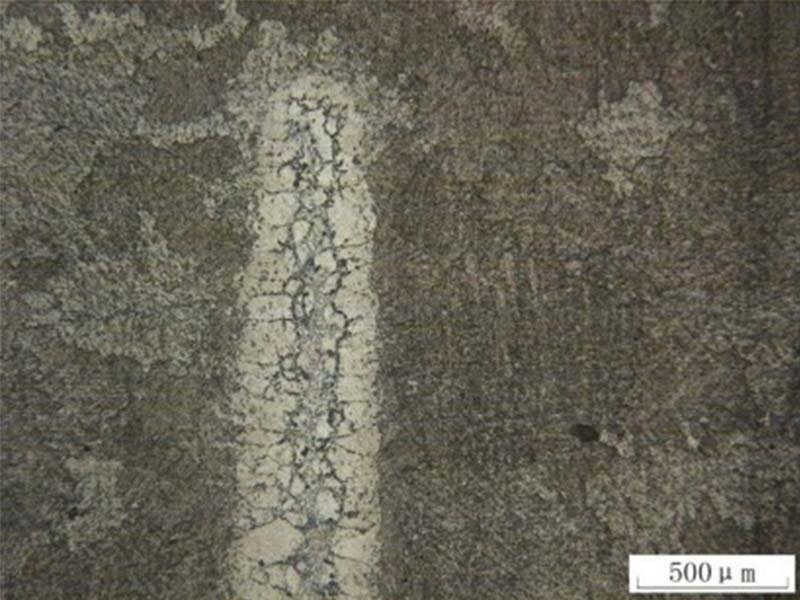
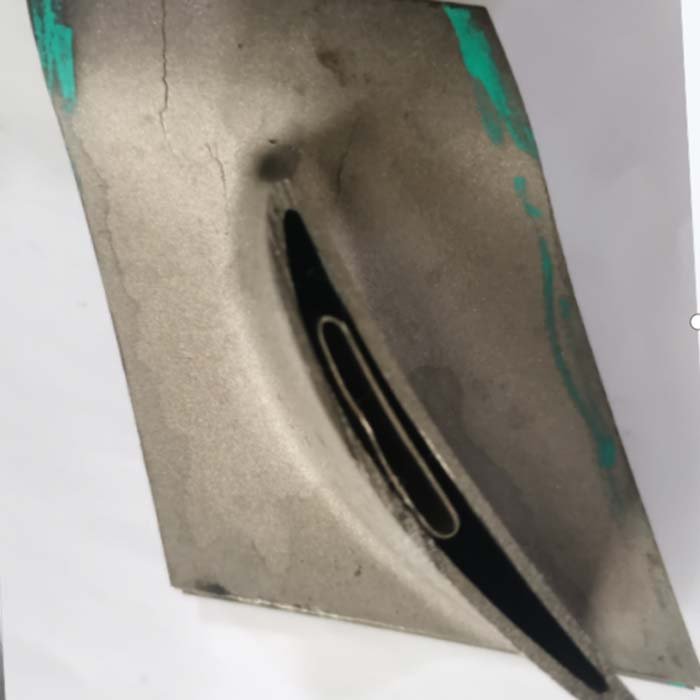
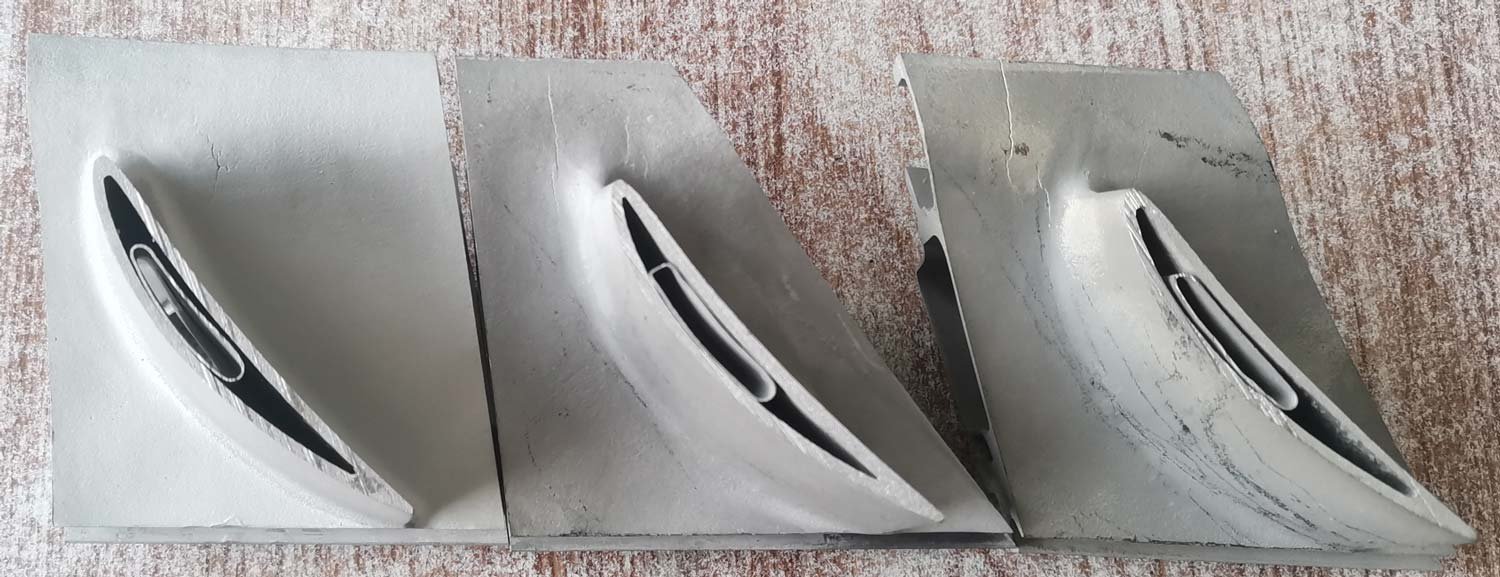
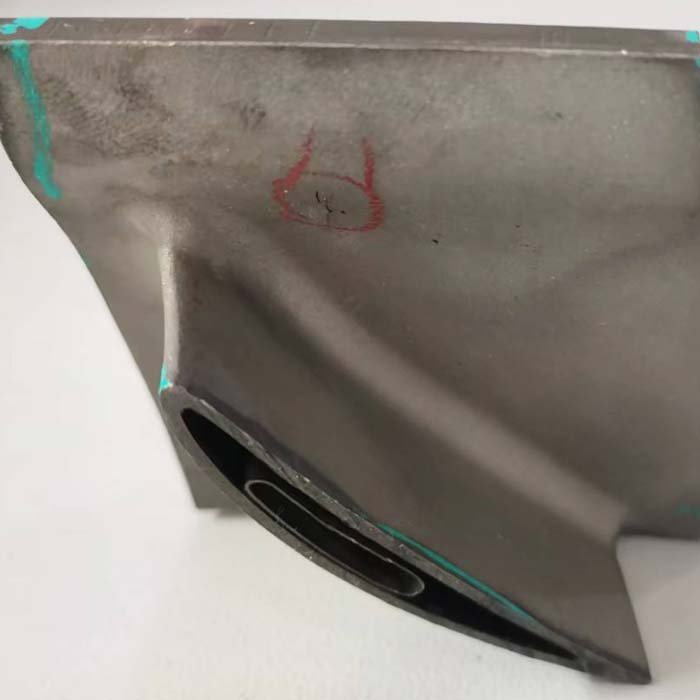
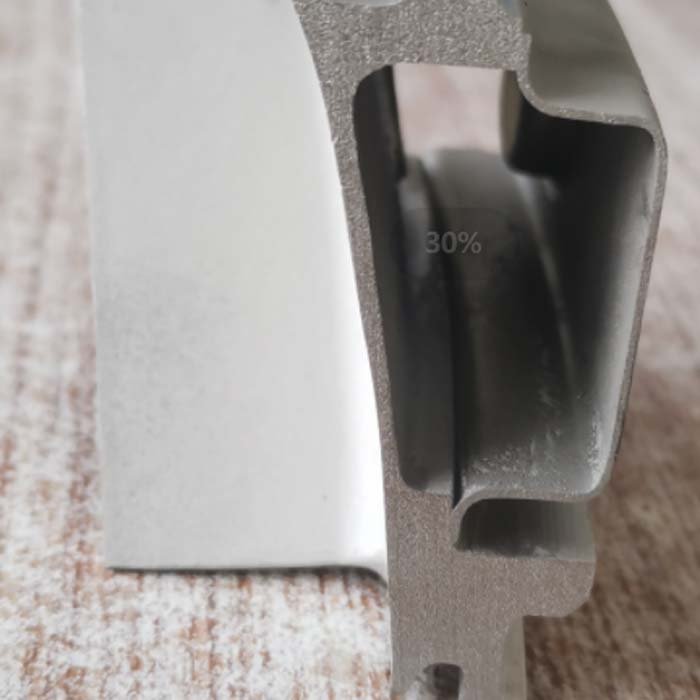
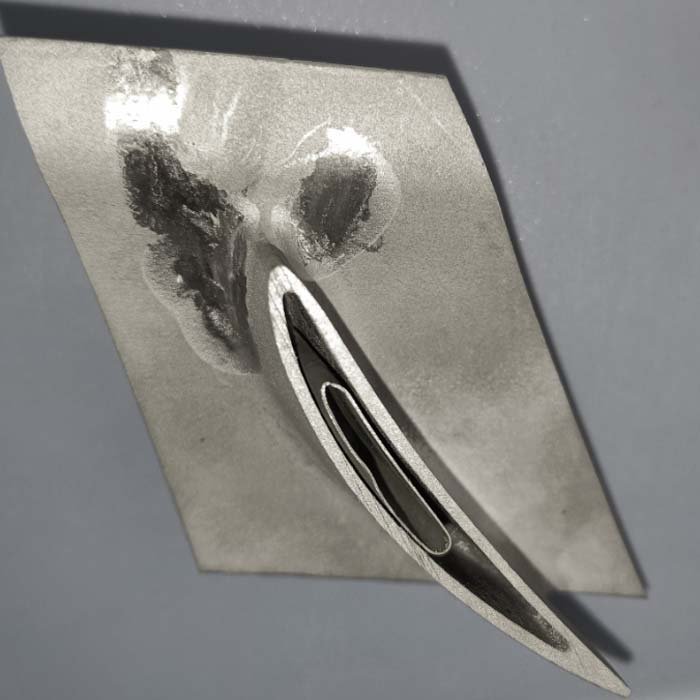
Our factory used GHL-6-2 brazing filler metal to repair the cracks with large gap brazing. After brazing, the excess brazing filler metal and solder resist on the surface of the repaired part were cleaned by manual polishing. From the appearance, the crack surface has been completely covered by the brazing filler metal.
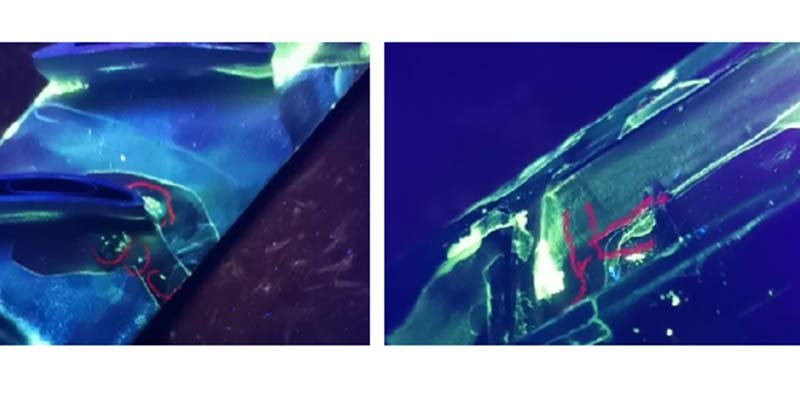
In order to clarify the surface state of the repaired part, a local fluorescent penetration inspection was carried out. The inspection results are shown in the Fluorescence inspection picture of the blade surface repair area. It can be seen that the original cracking parts of cracks A and B and the nearby brazing filler metal coating locations are displayed in dense dot patterns.
The second batch of experiment
Process 3
Process 2
Process 1
Comparison of process 3 before and after cleaning
Before cleaning
After cleaning
Before cleaning: Turbine blade surface may be covered with oxide layers, oil, dust or other contaminants, causing the surface to look dull, mottled or uneven.
Contaminants and oxide layers may shorten the life of the blades and increase the frequency of maintenance and replacement.
After cleaning: The blade surface becomes brighter and more uniform, and the contaminants and oxide layers are removed, making the surface look cleaner and smoother.
Cleaning removes harmful substances, which can extend the service life of the blades and reduce maintenance costs





 Azerbaijani
  English
  Arabic
  Moroccan Arabic
  Dutch
Dutch  French
  German
  Italian
  Polish
  Portuguese
  Russian
  Spanish
  Turkish
  Indonesian
  Thai
Thai  Japanese
  Korean
  Malay
Malay  Myanmar
  Serbian
  Swedish
  Vietnamese