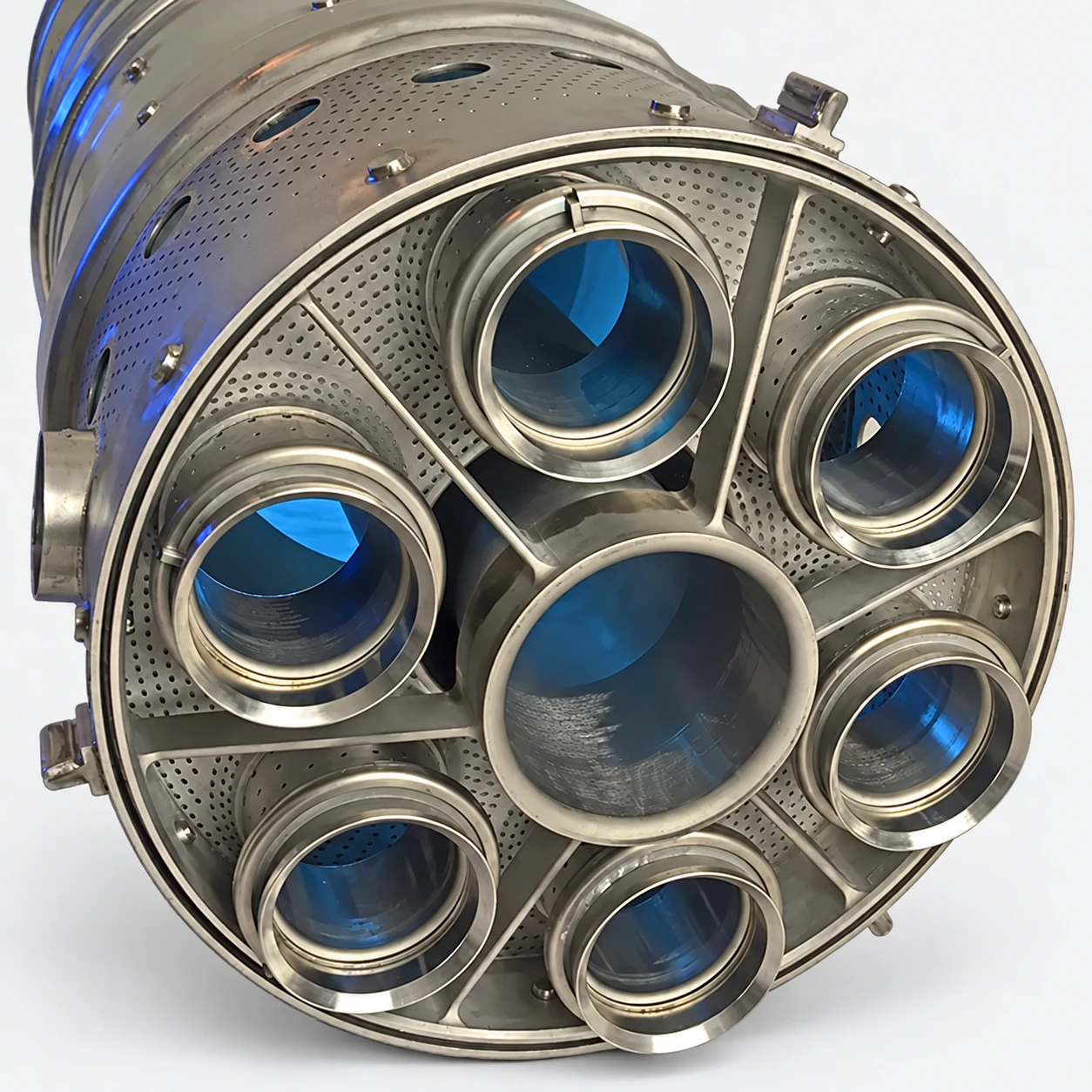
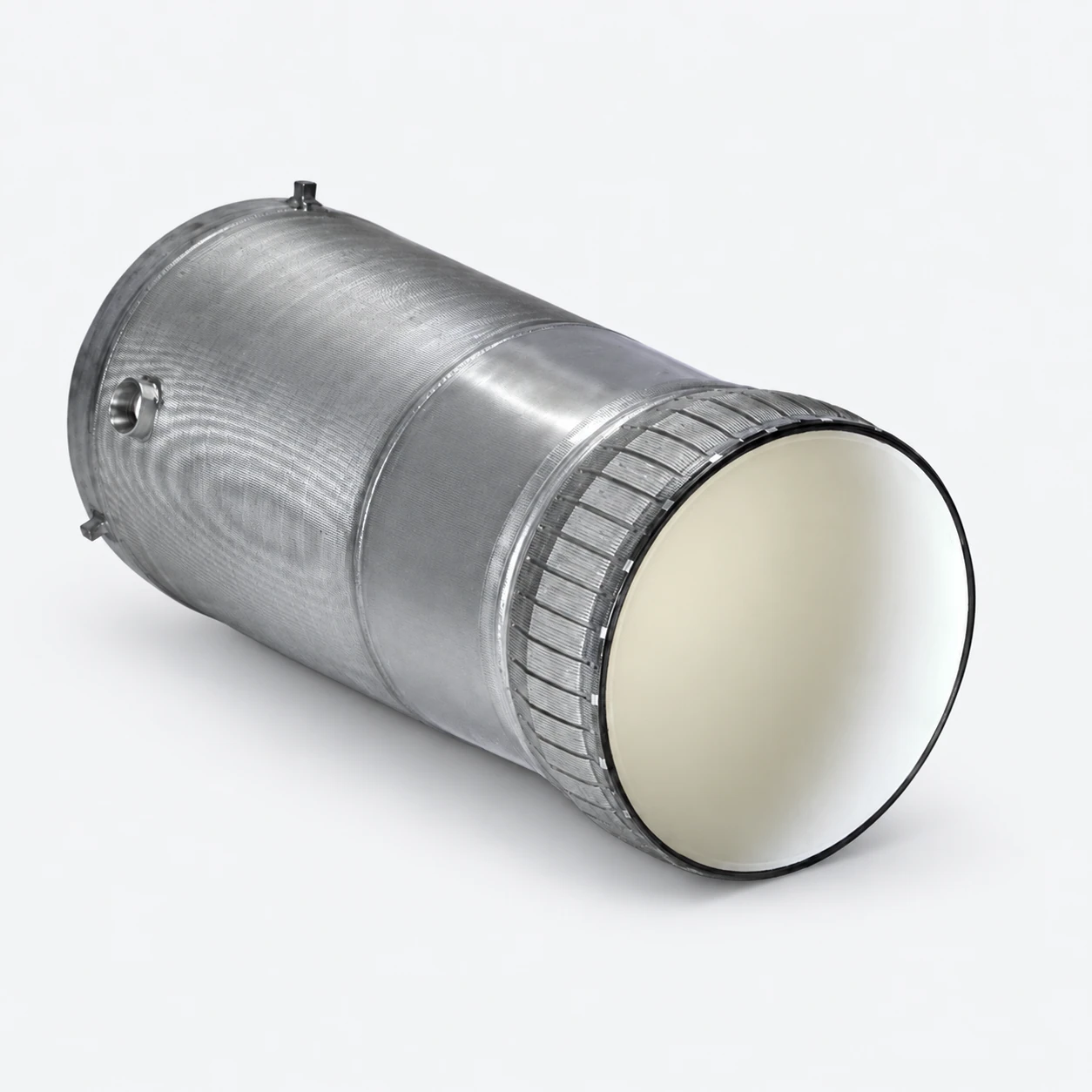
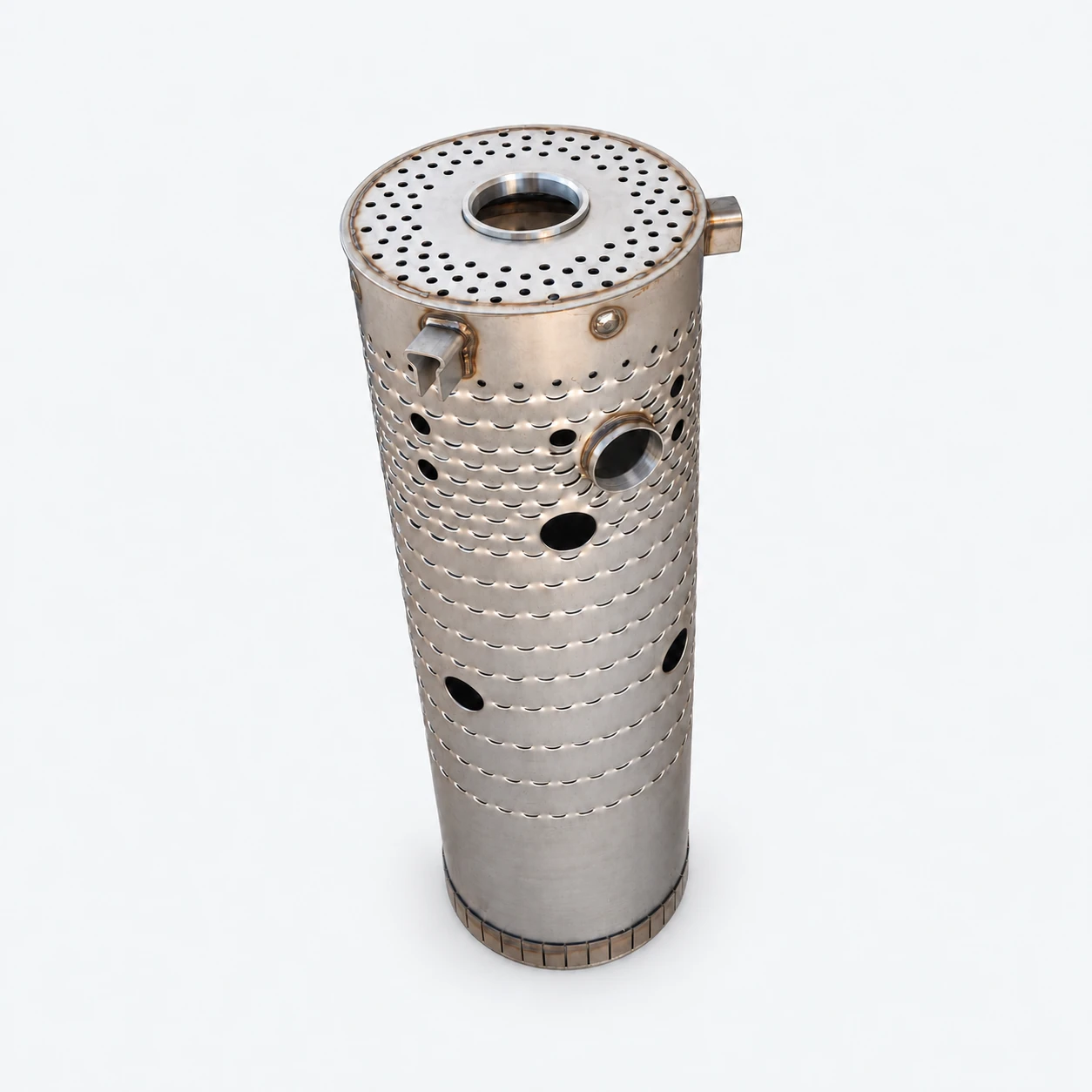
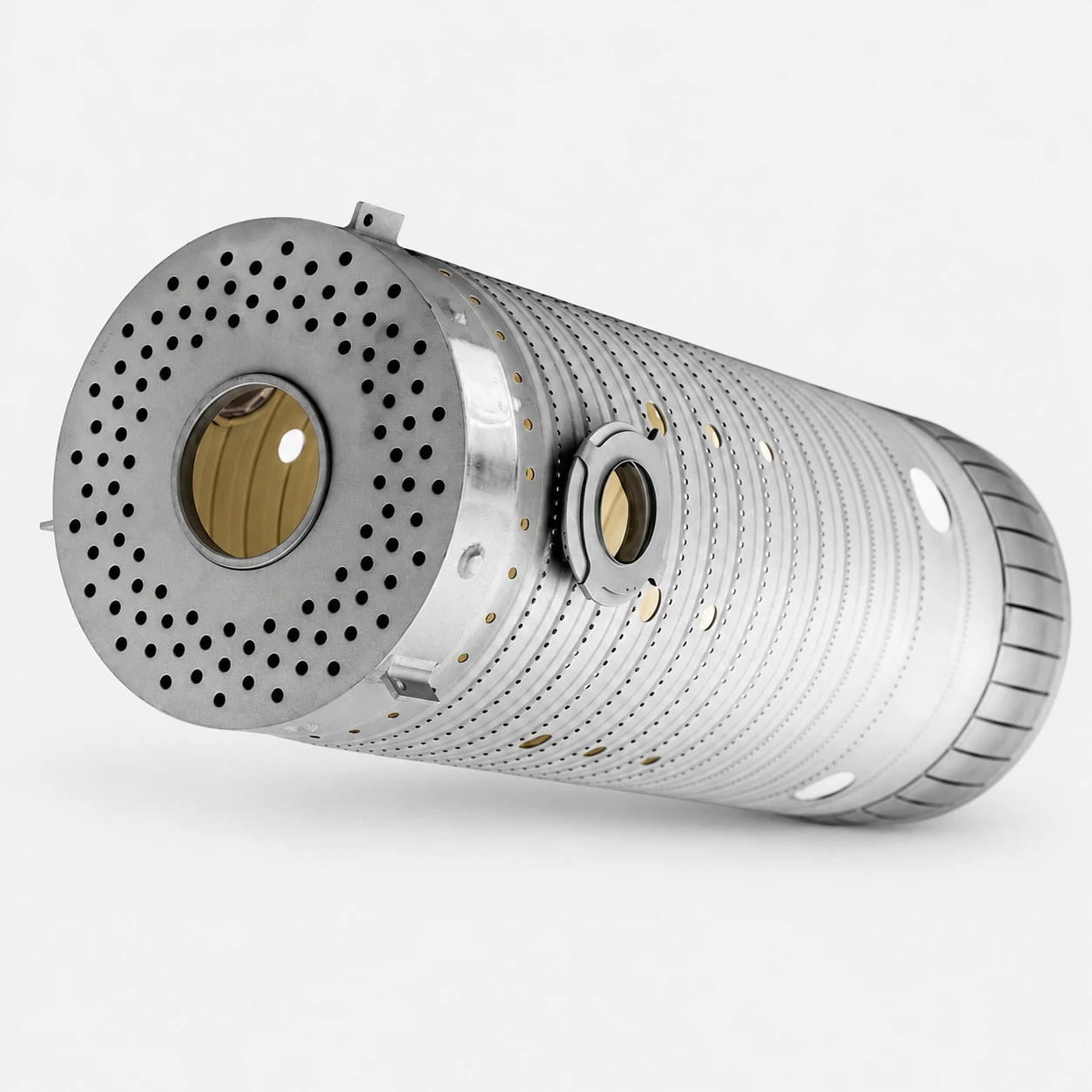
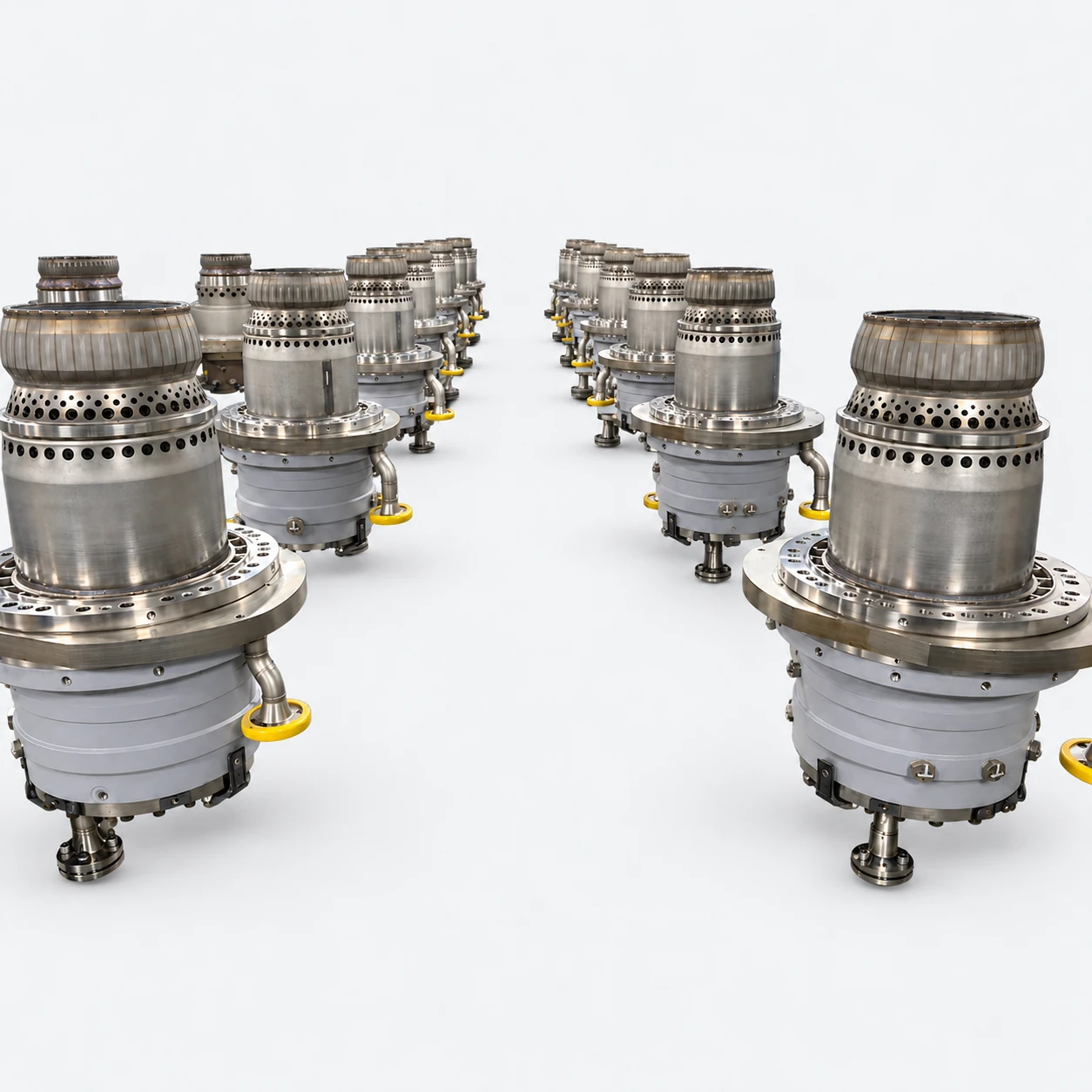
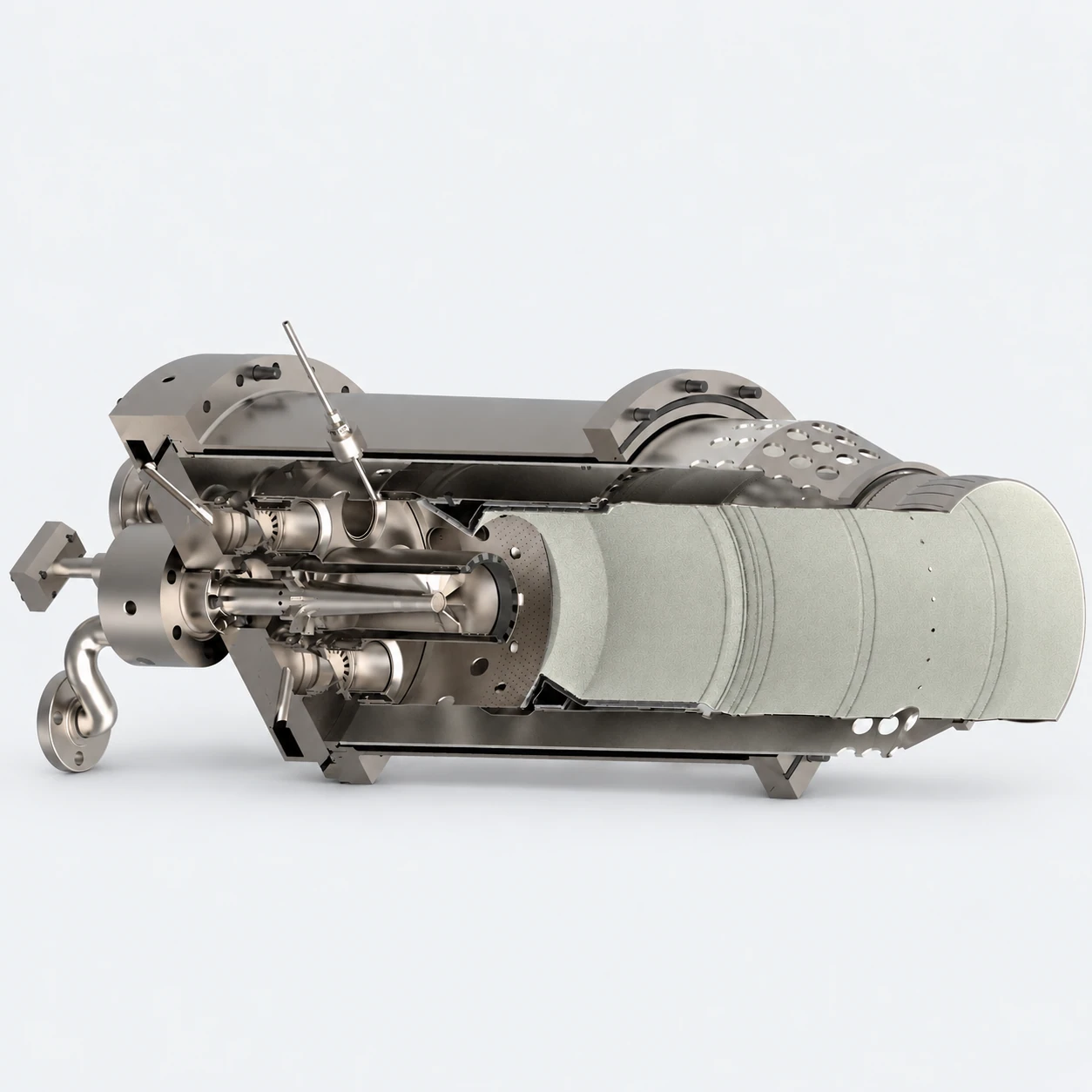
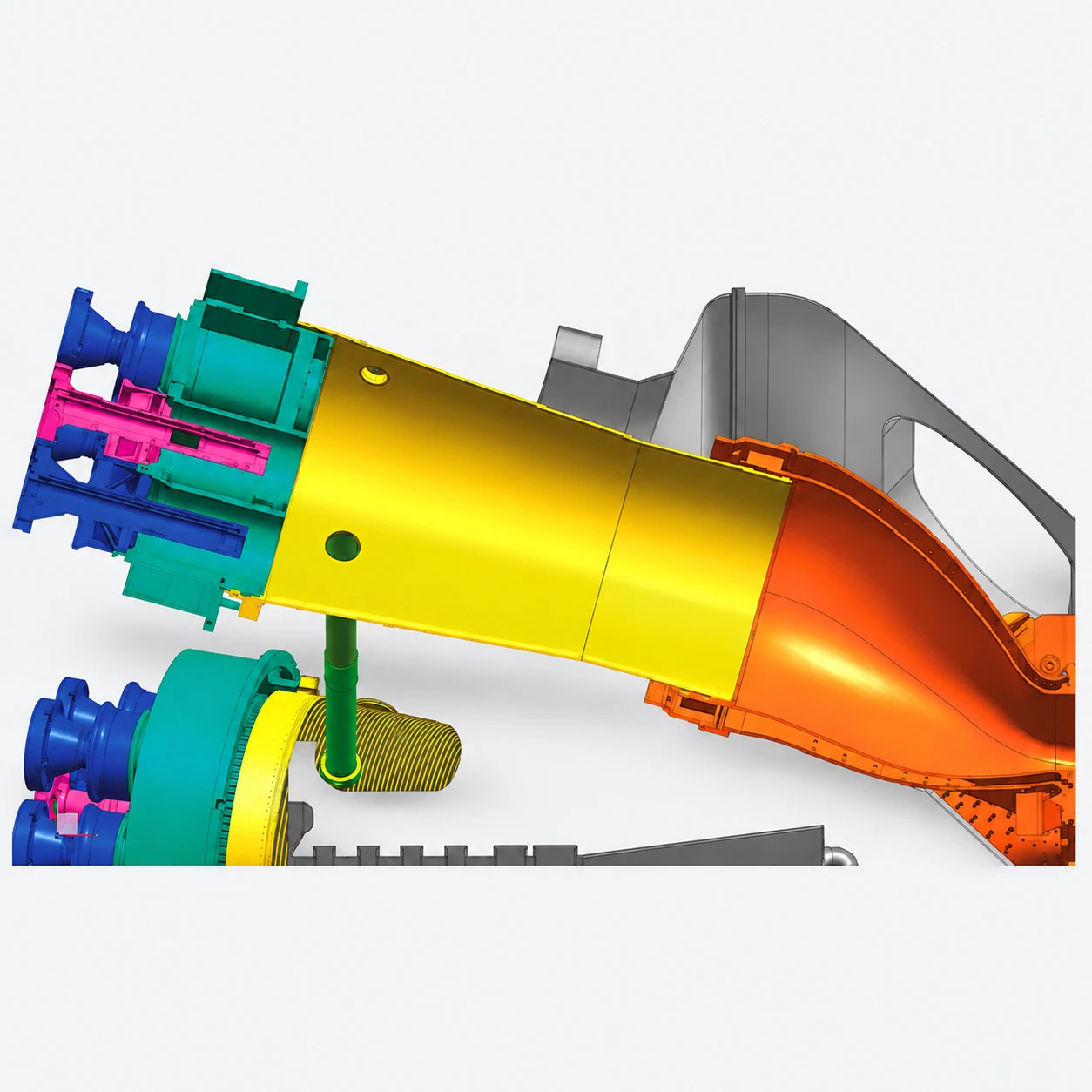
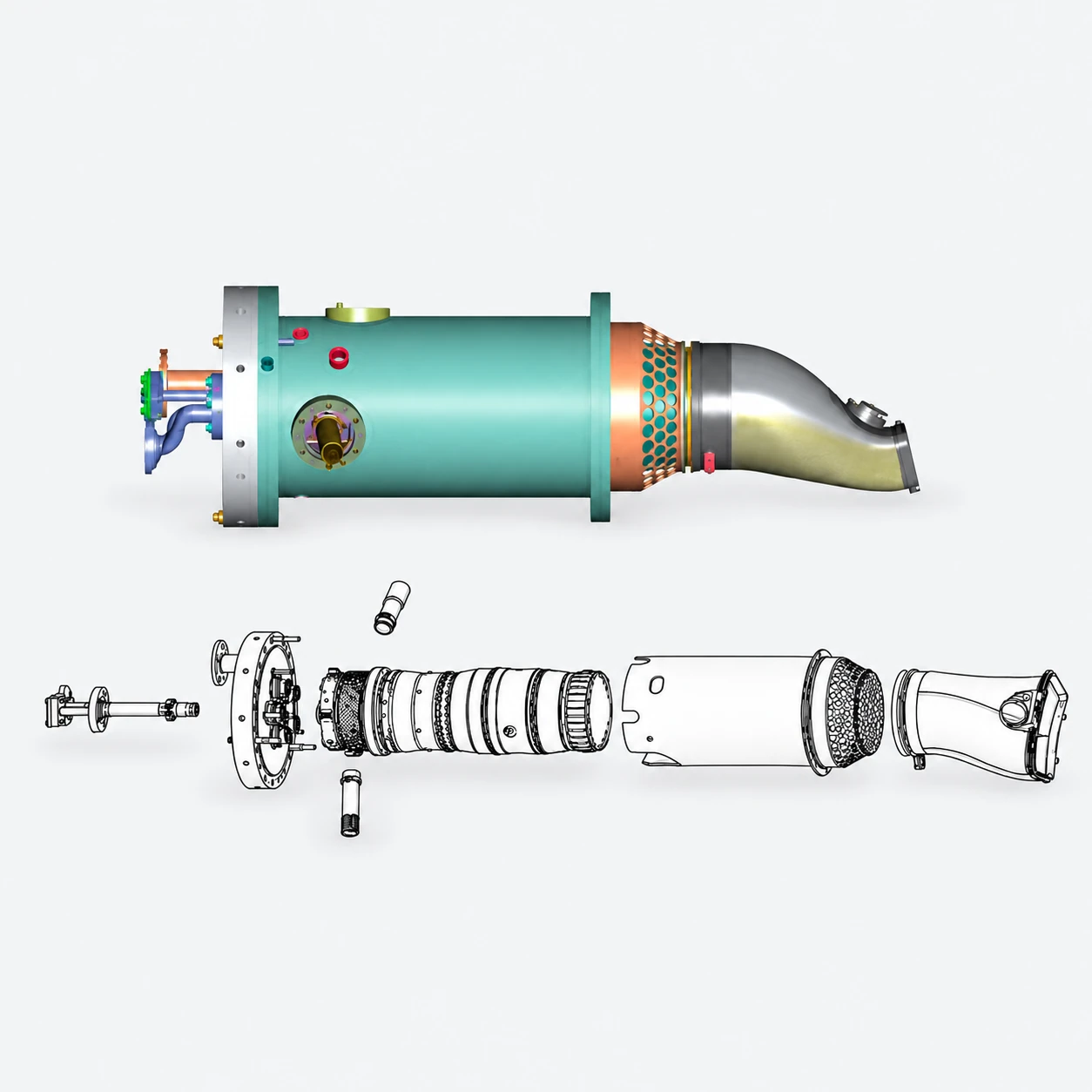
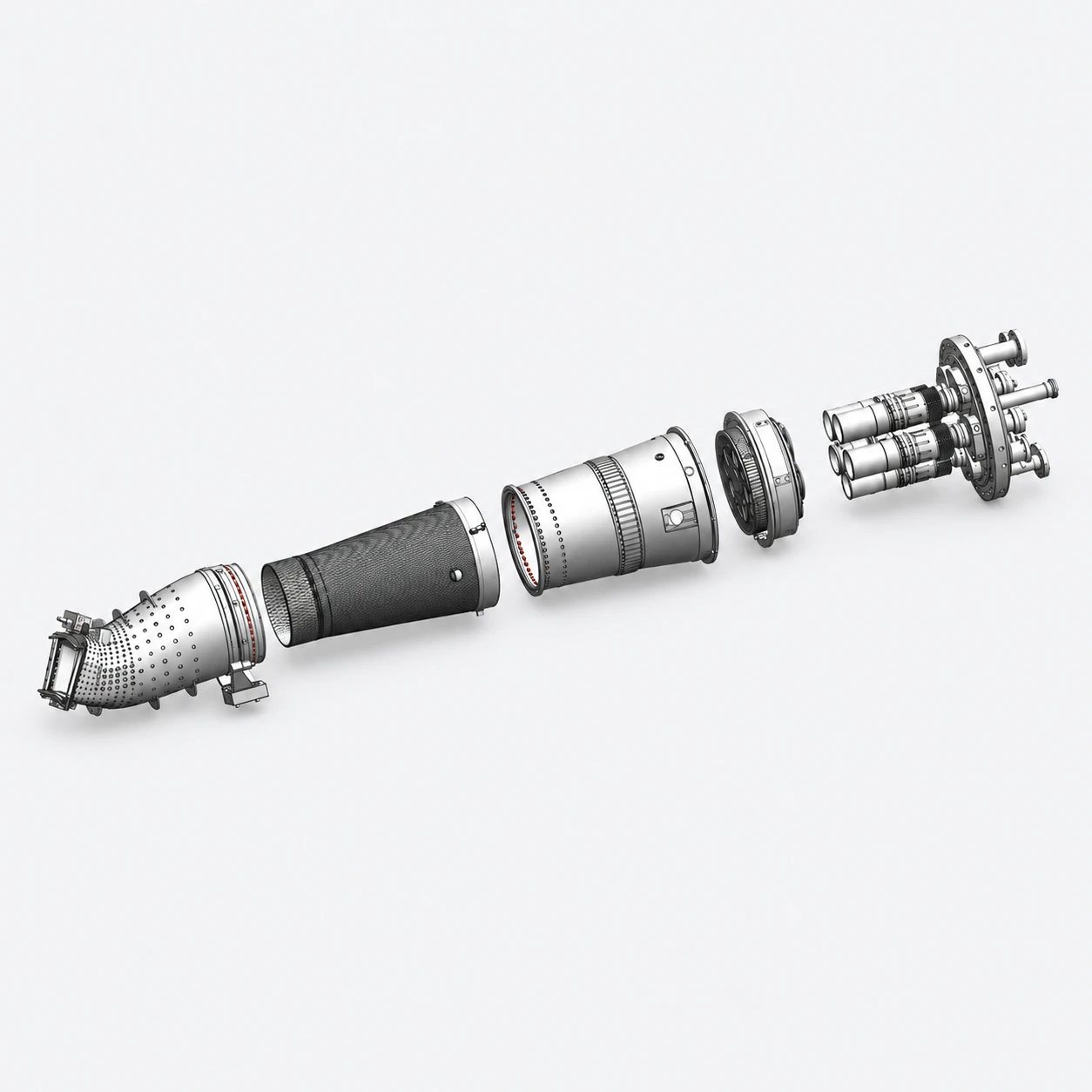
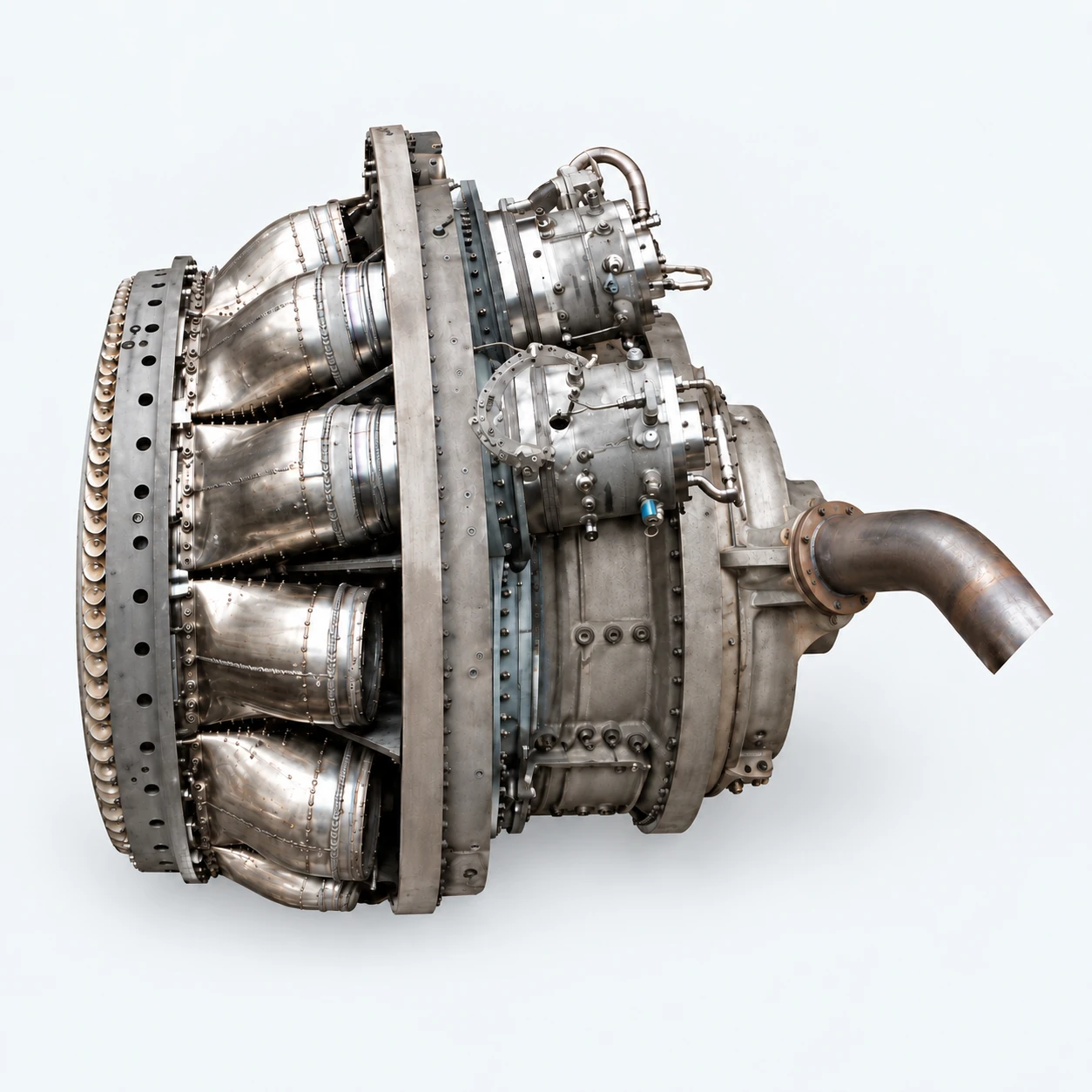
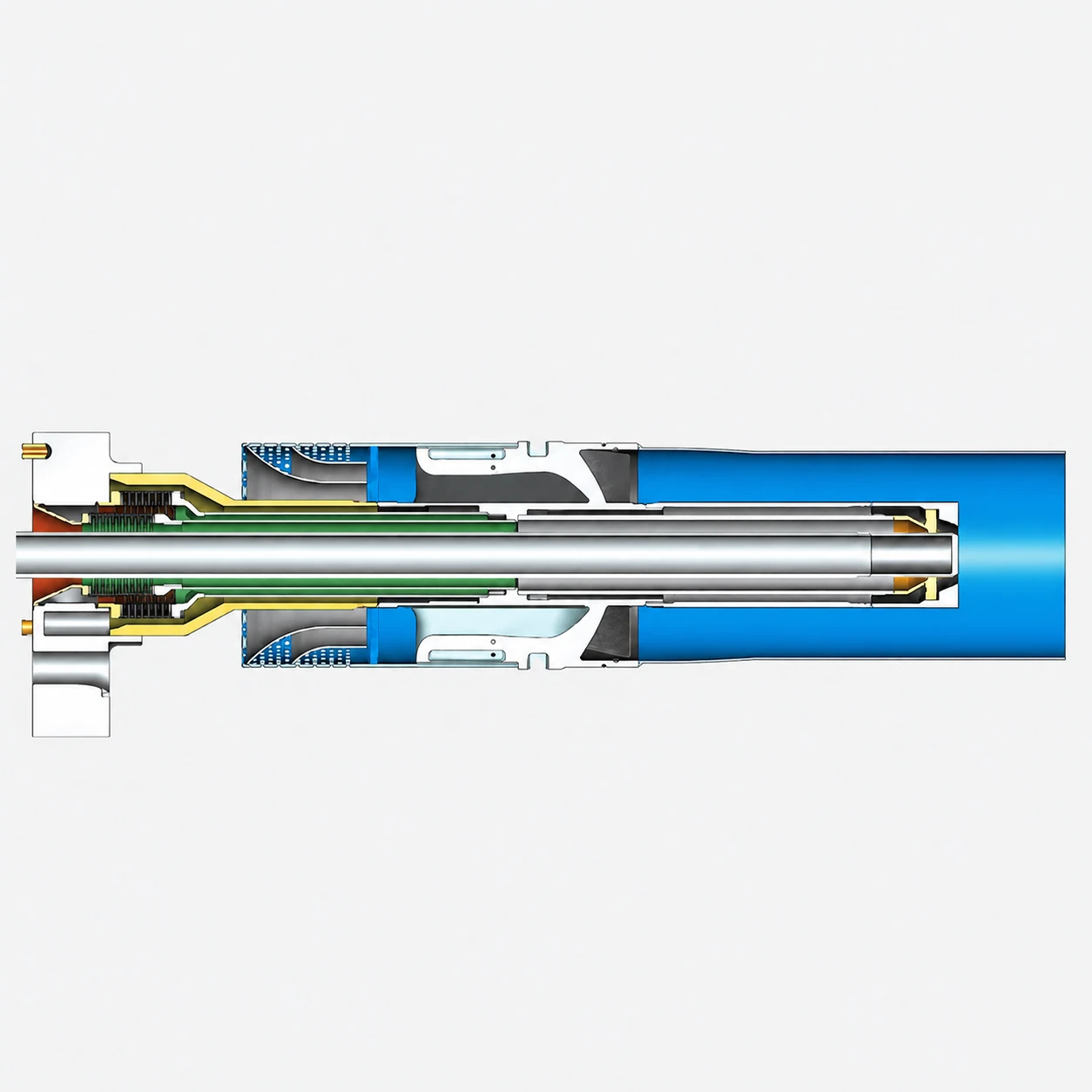
Combustion liners, transition pieces and fuel-entry hardware for defined Frame 5, 6, 7 and 9 configurations. Blaze reviews each component against your drawings, material specification and mating interfaces.
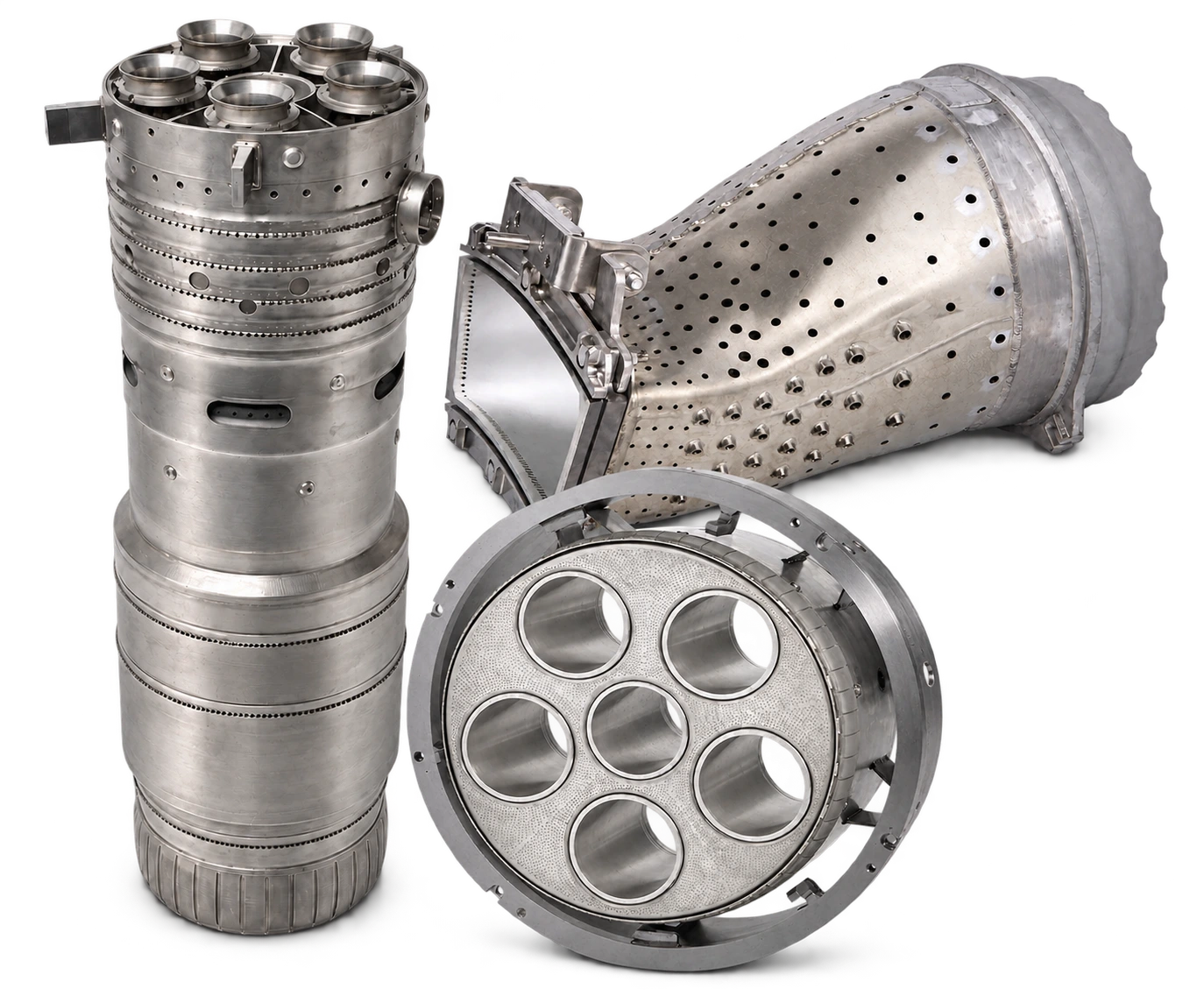
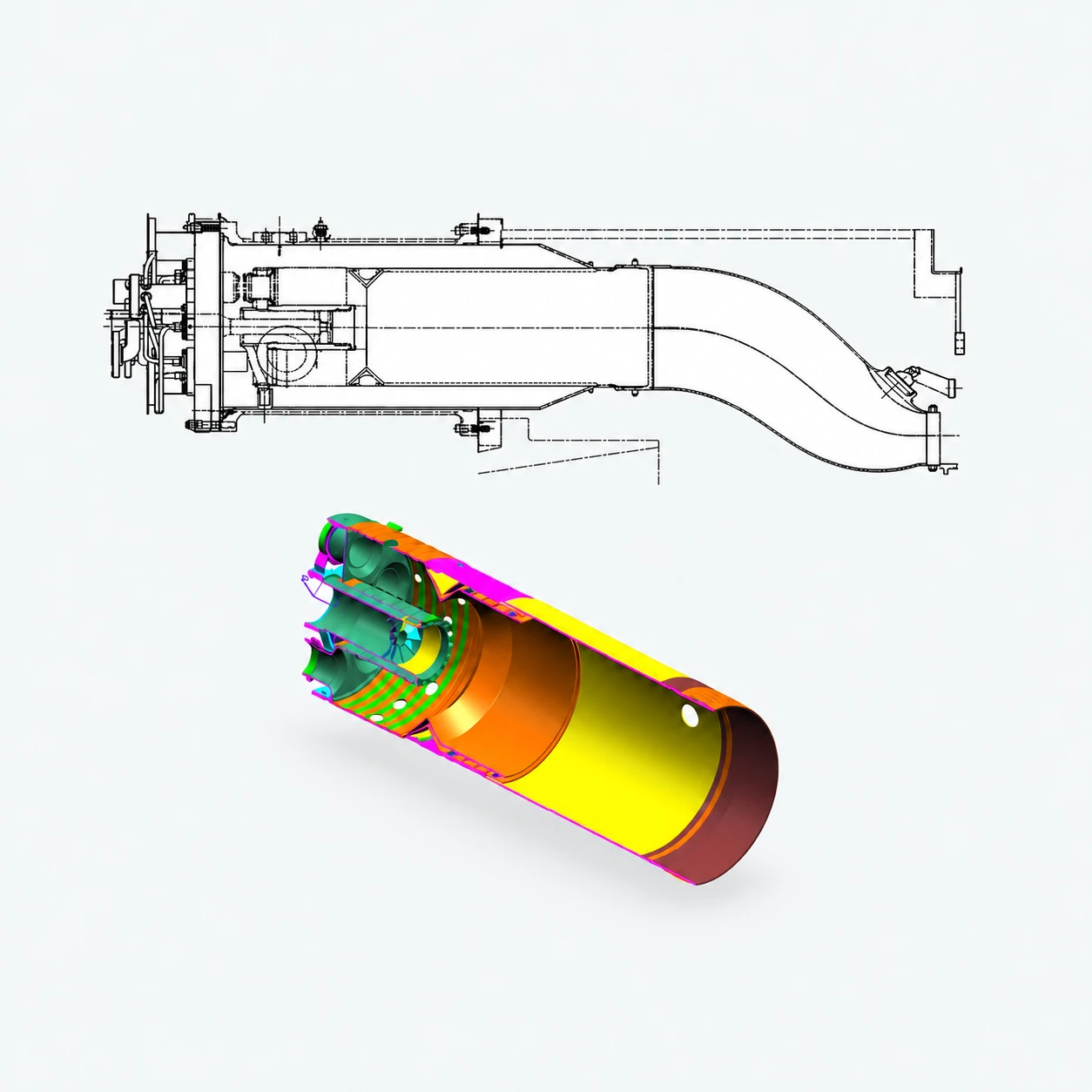
Start with the installed configuration, then open a component for its images and manufacturing review points.
Model names identify reference configurations. Part number, drawing revision and interfaces determine the requested component.
The part geometry and technical specification define the route. Review the relevant component type before agreeing the manufacturing and inspection scope.
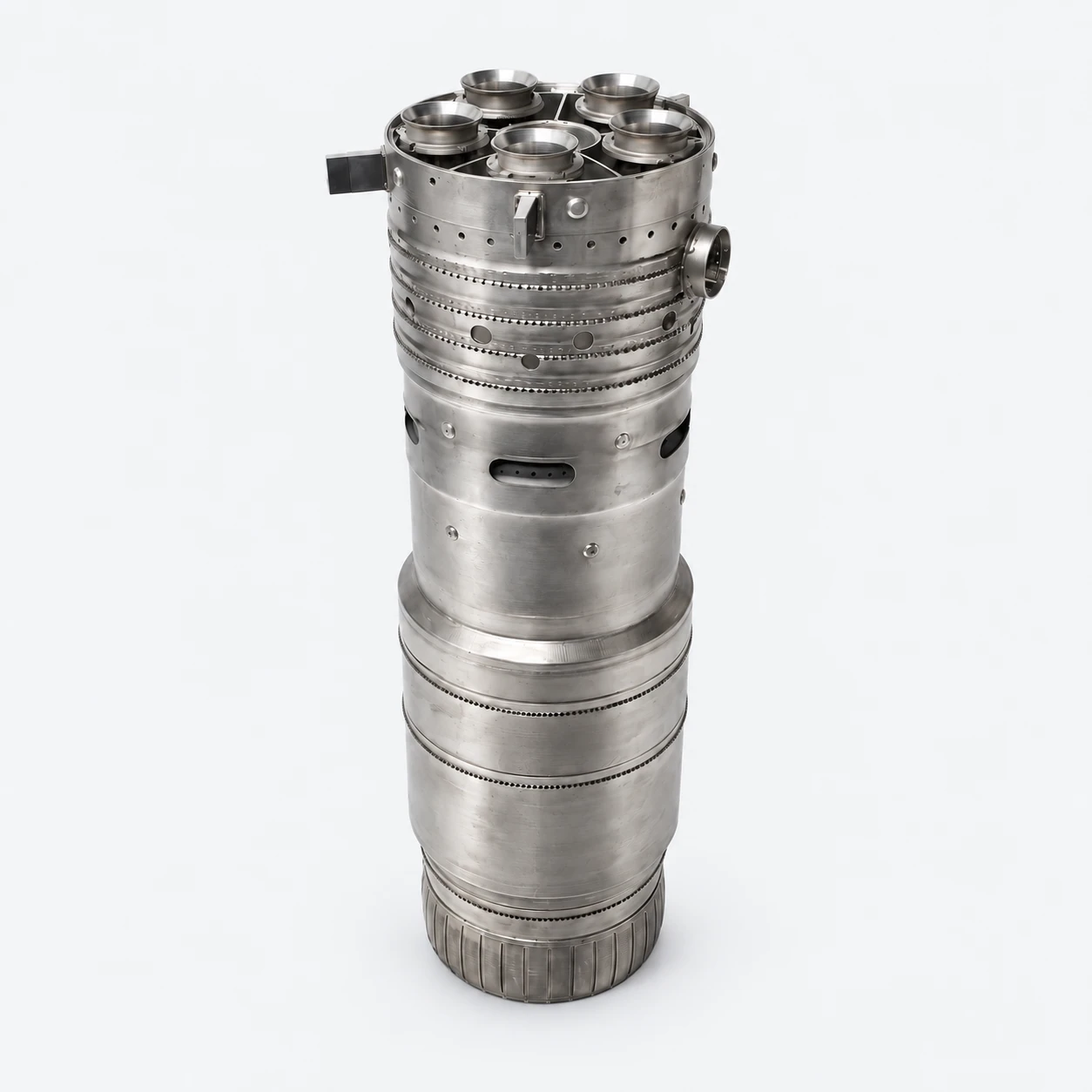
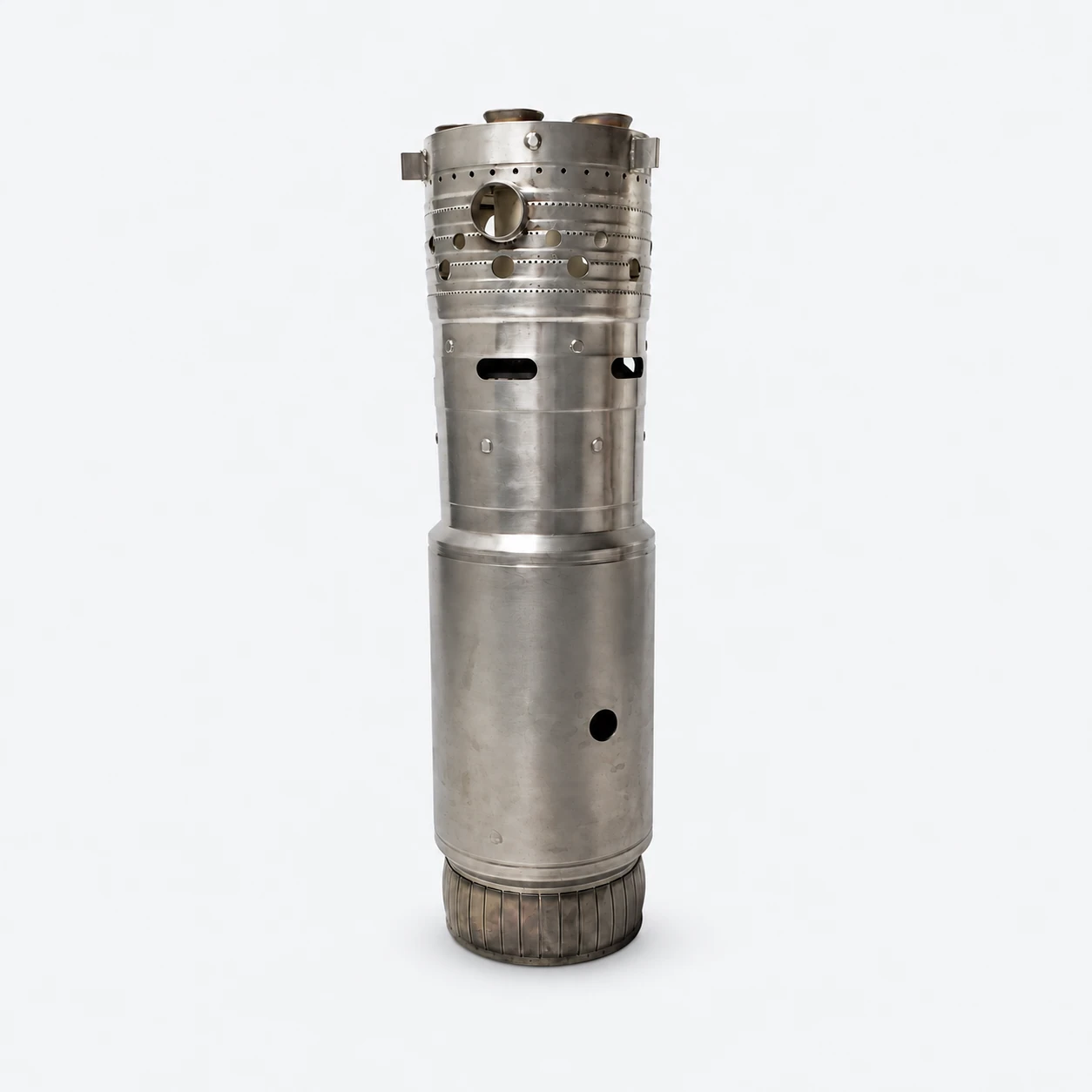
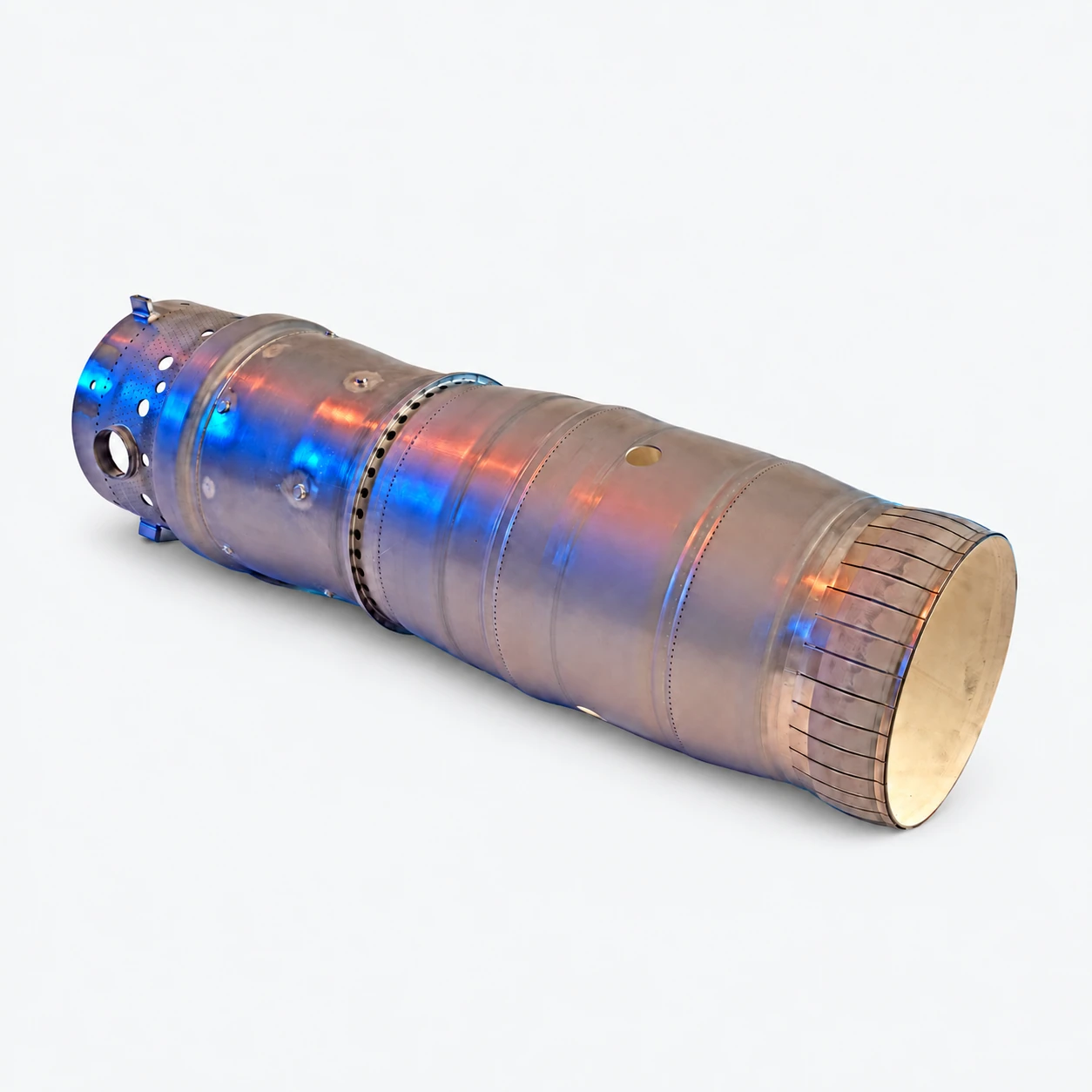
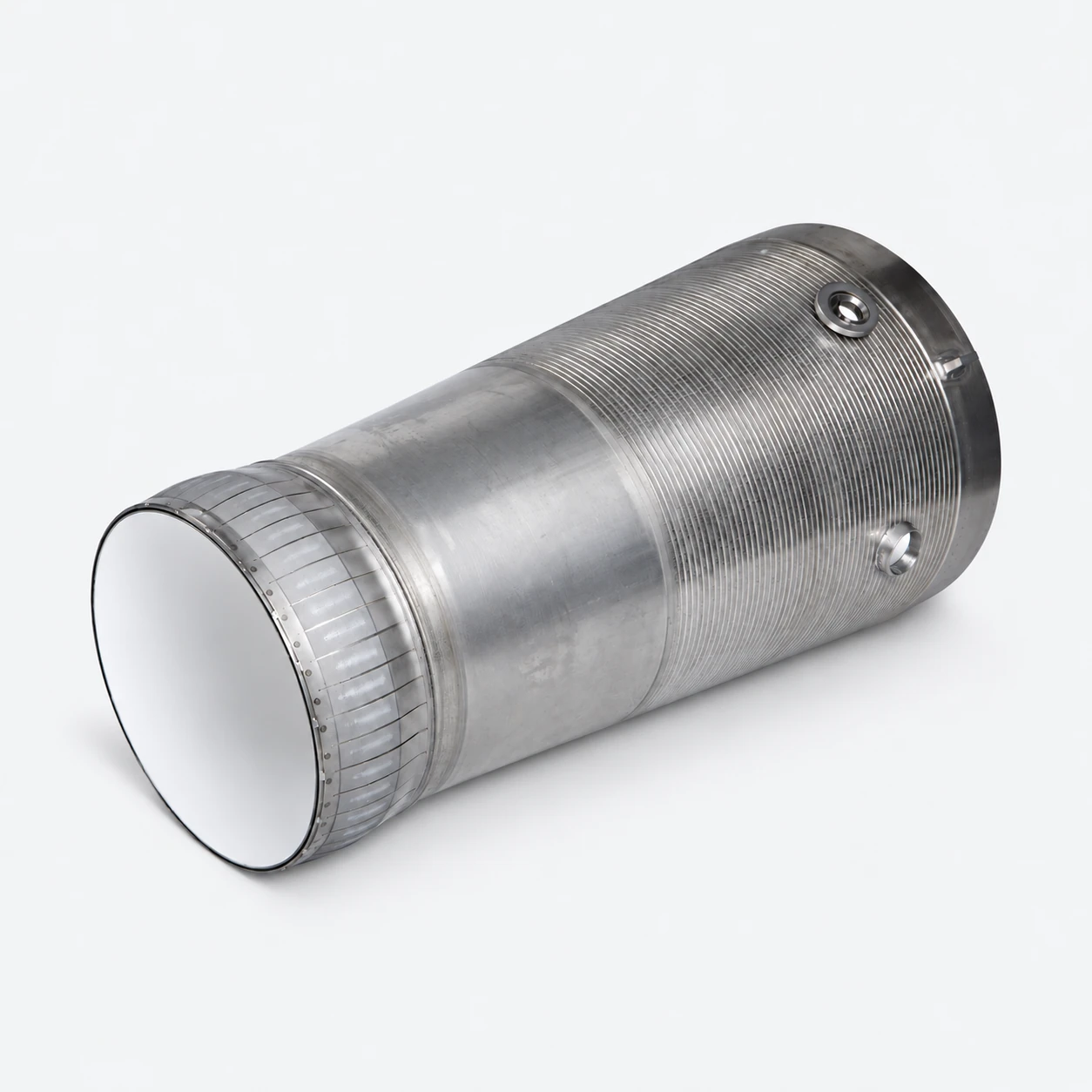
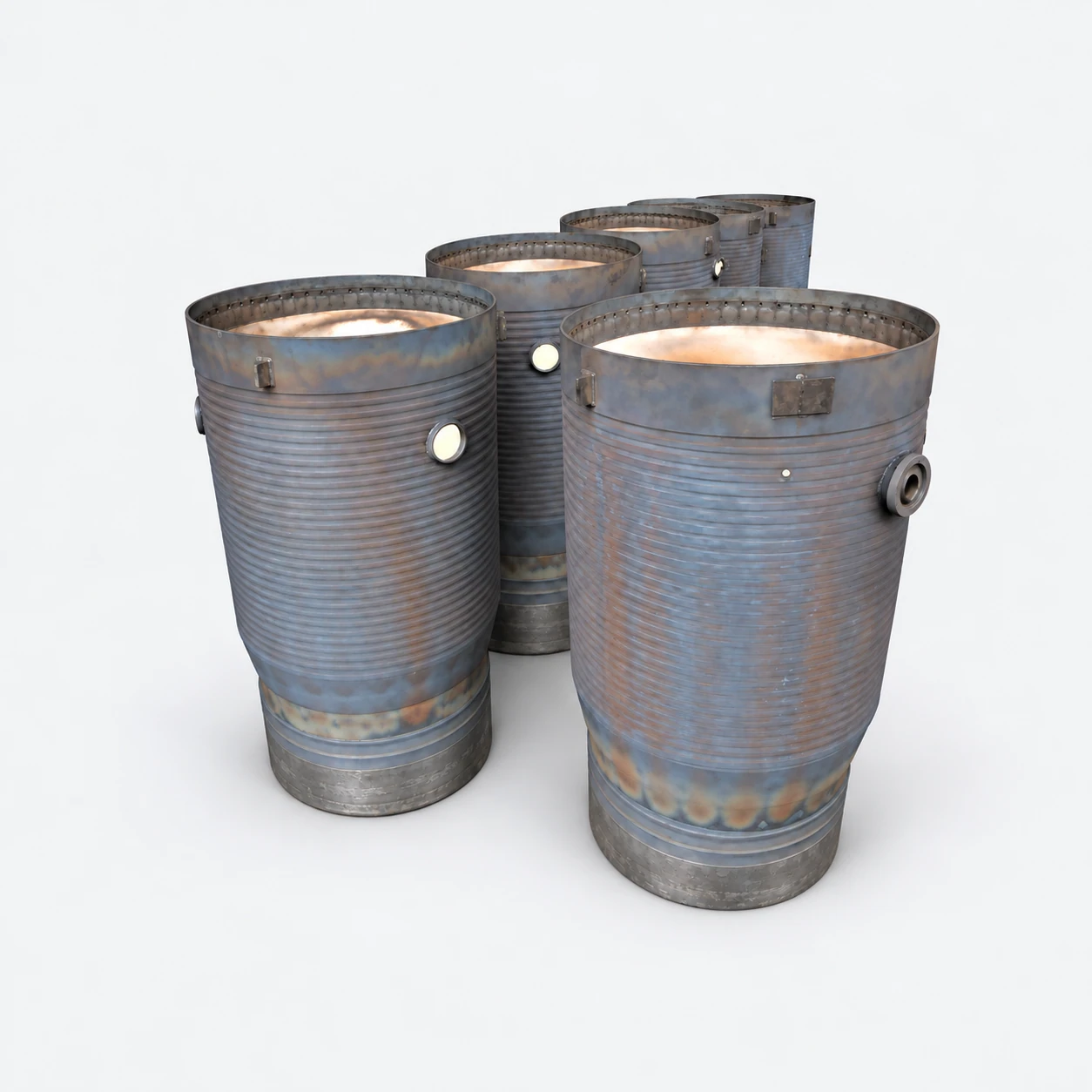
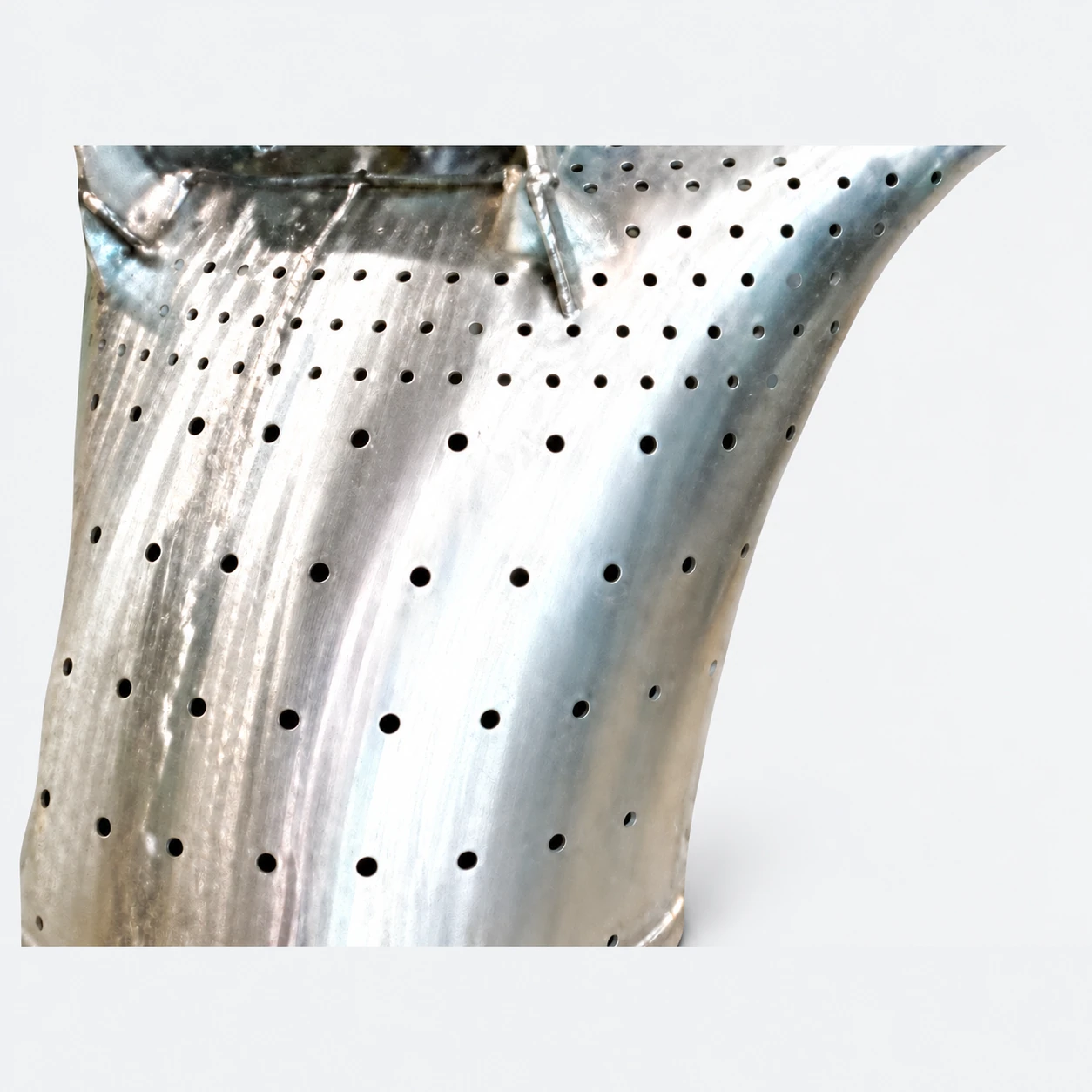
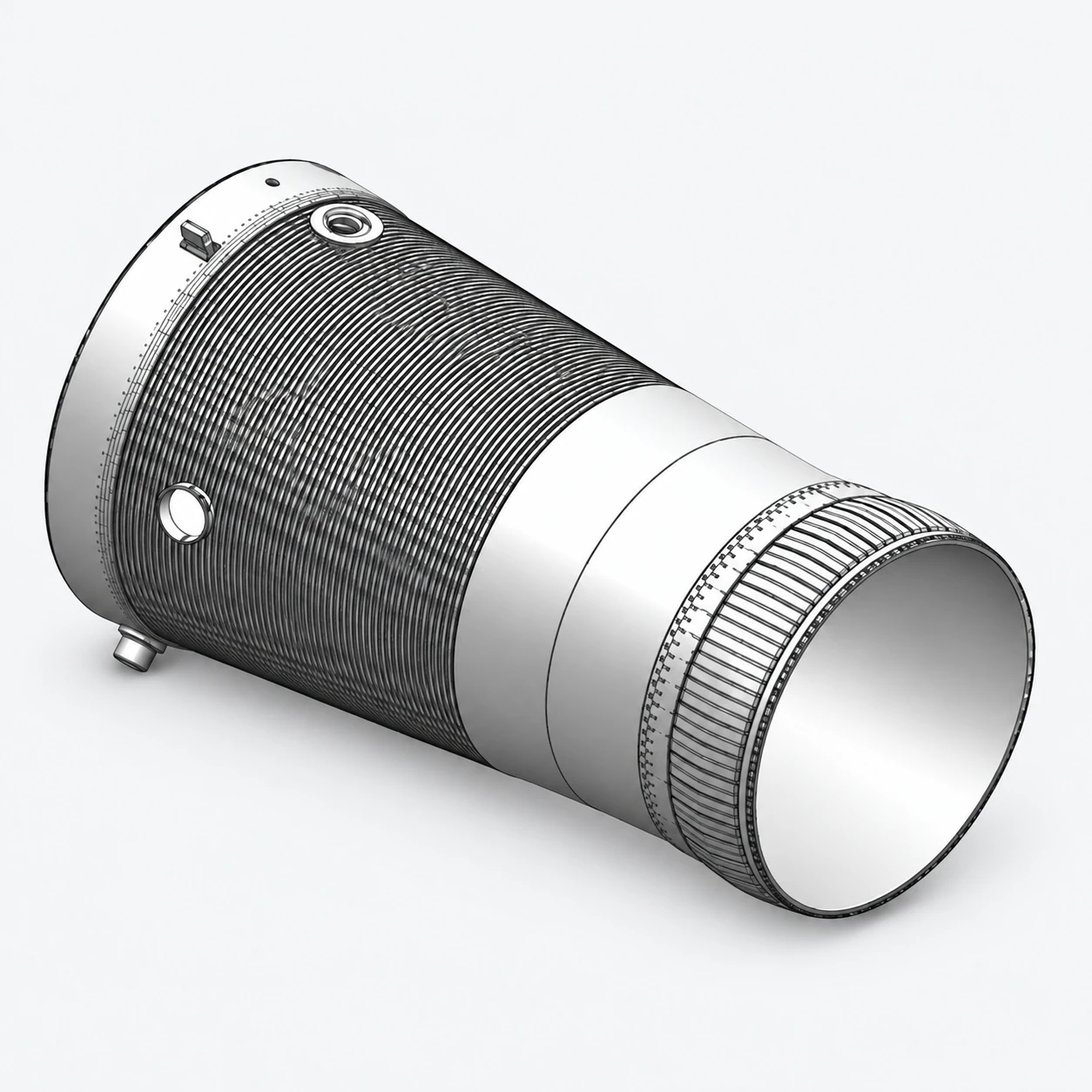
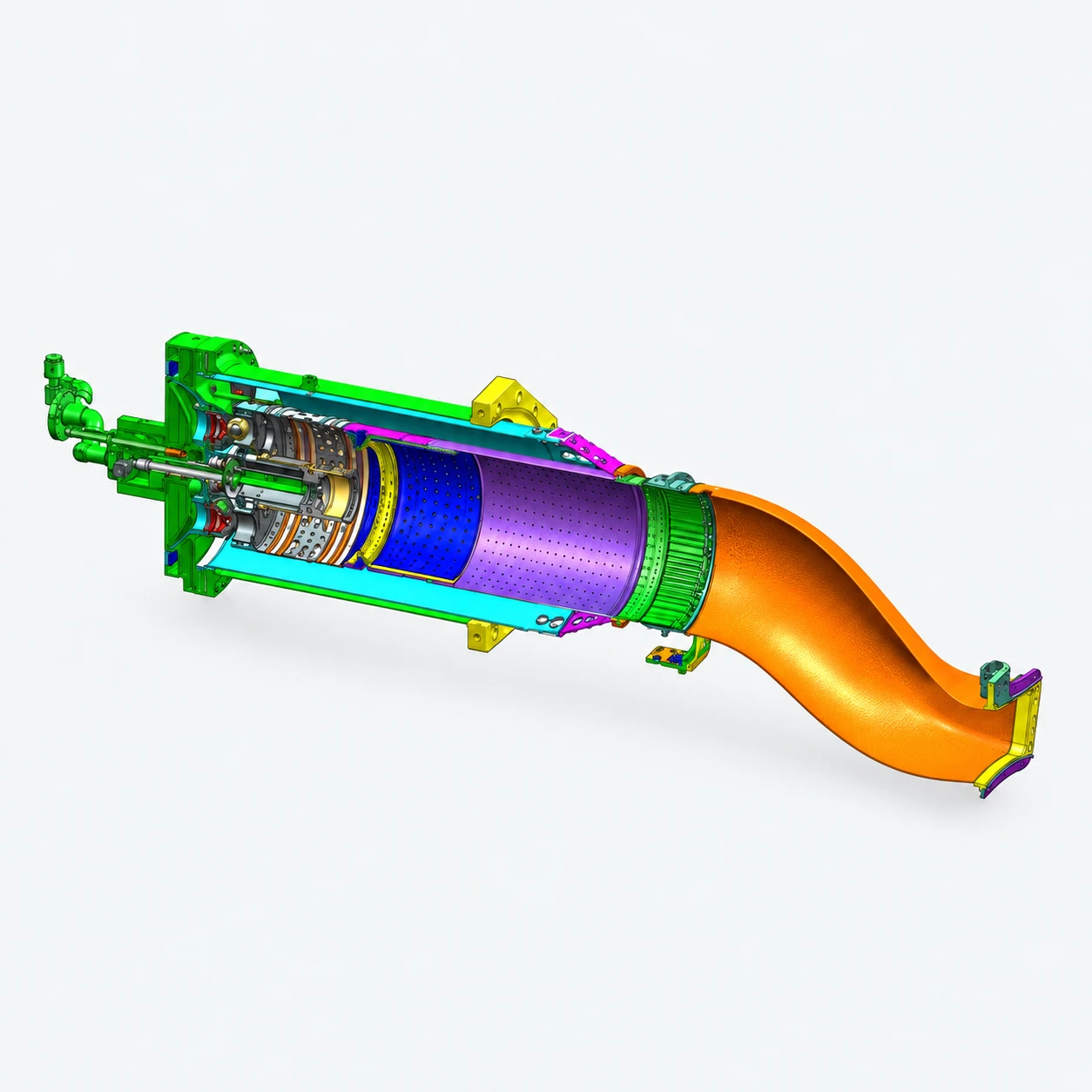
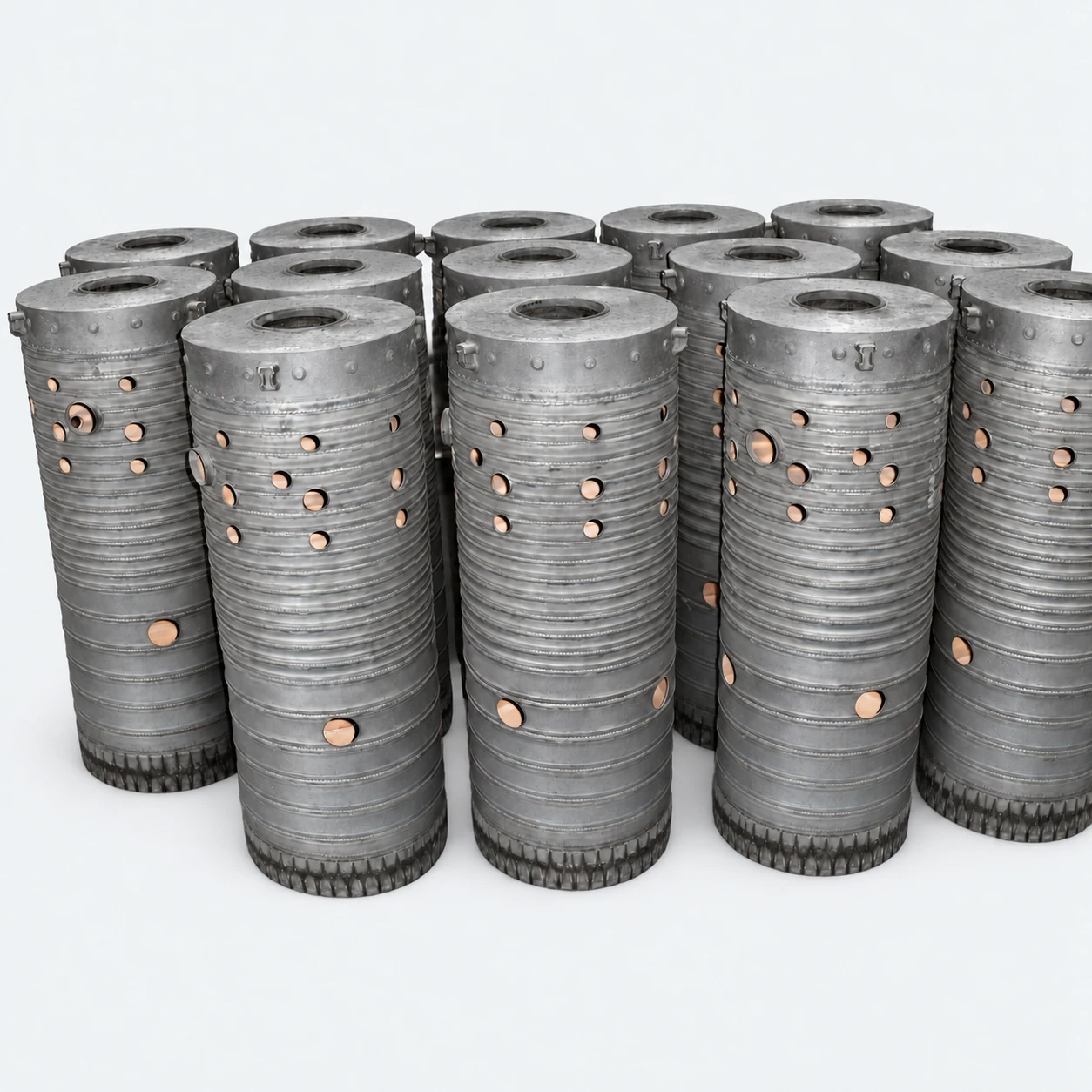
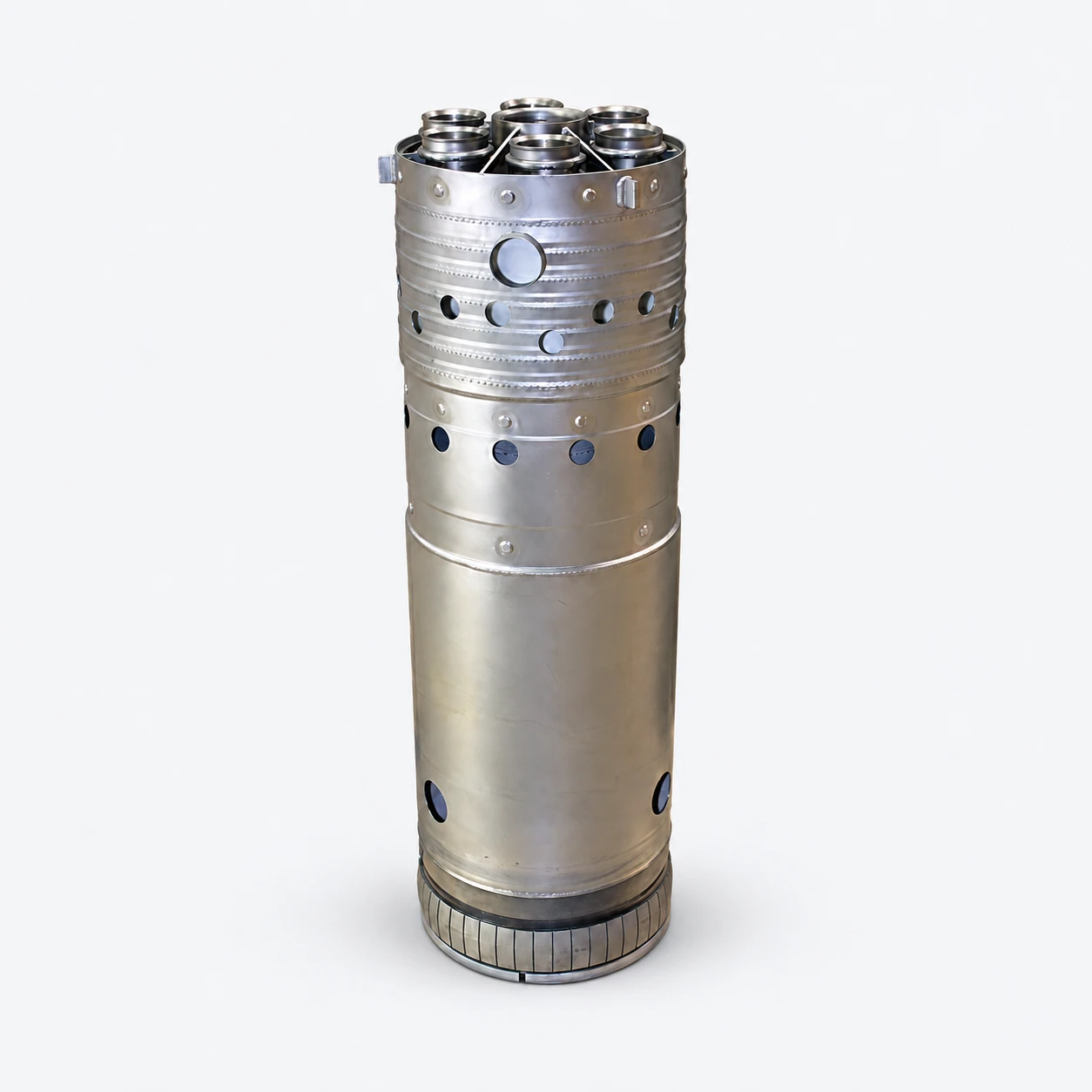
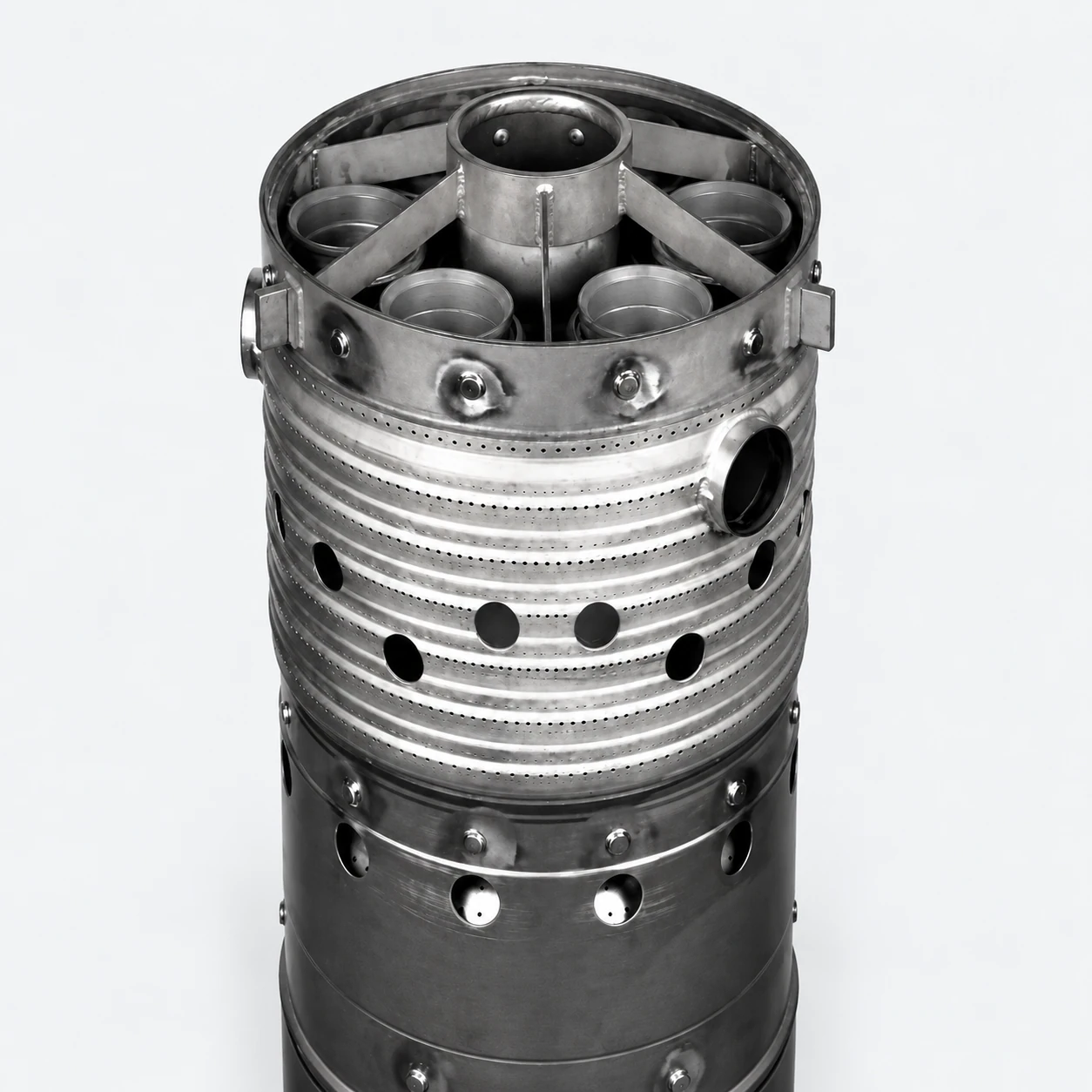
Formed-shell geometry, cooling-hole patterns, welded features and end interfaces are reviewed together. Liner configuration and drawing revision remain part of the production definition.
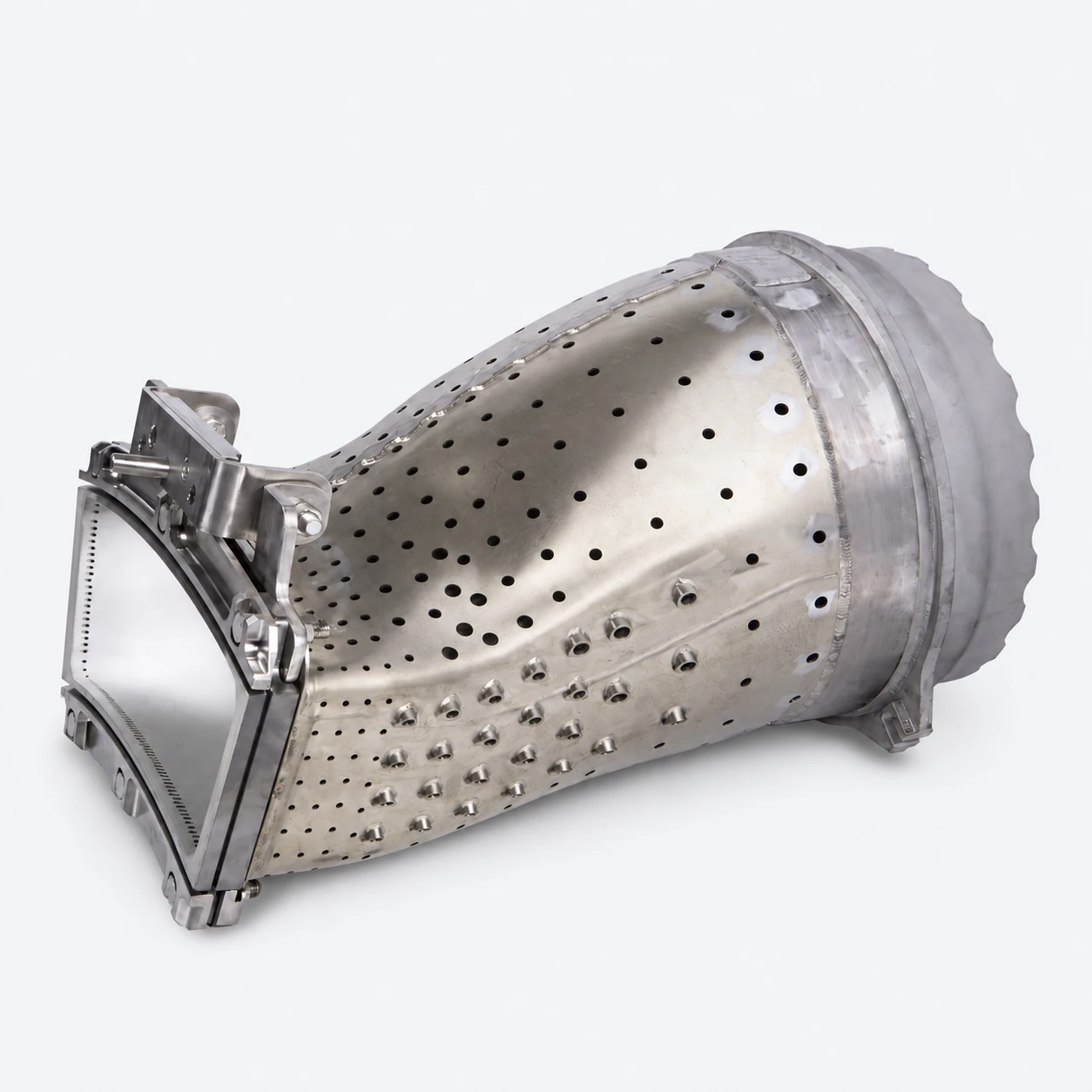
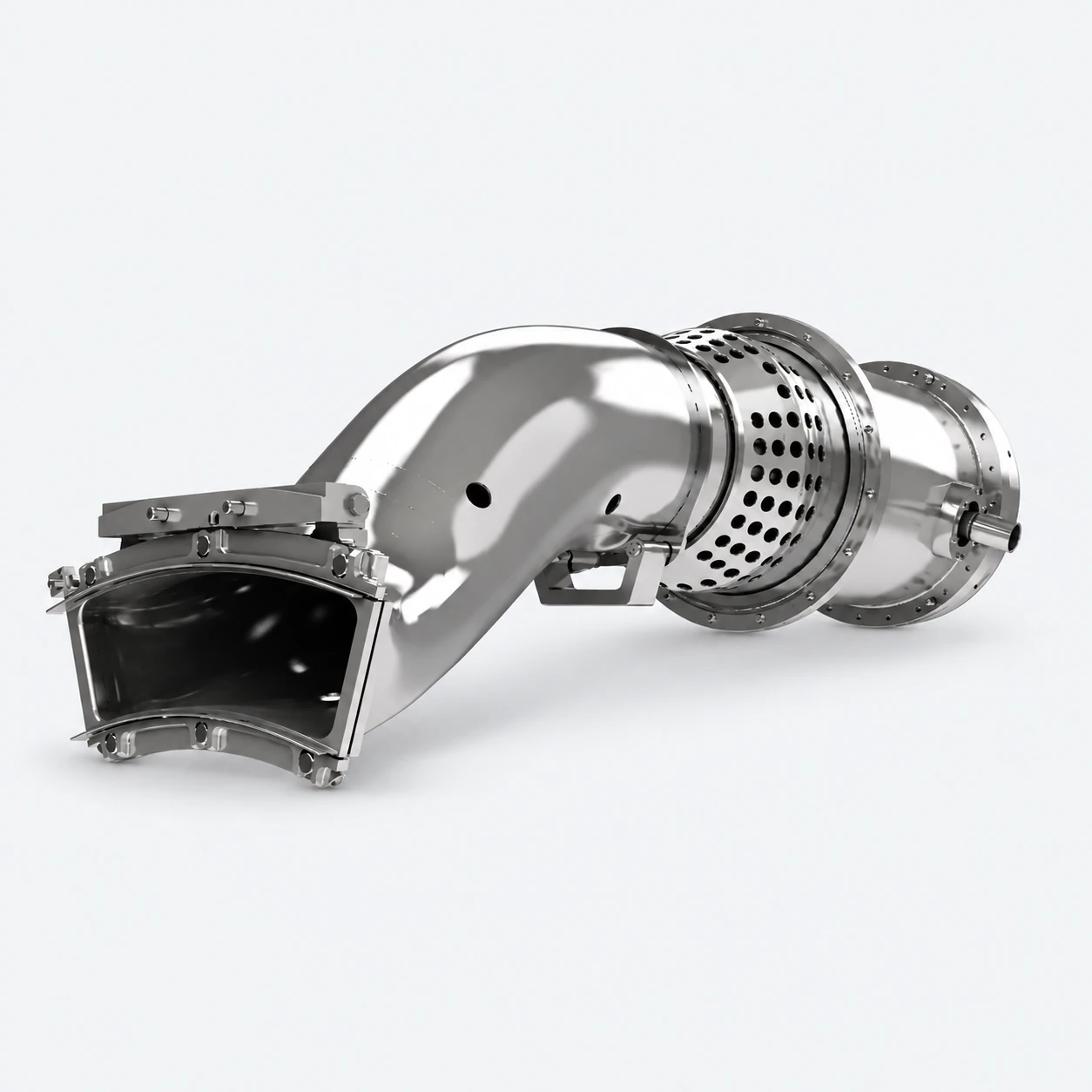
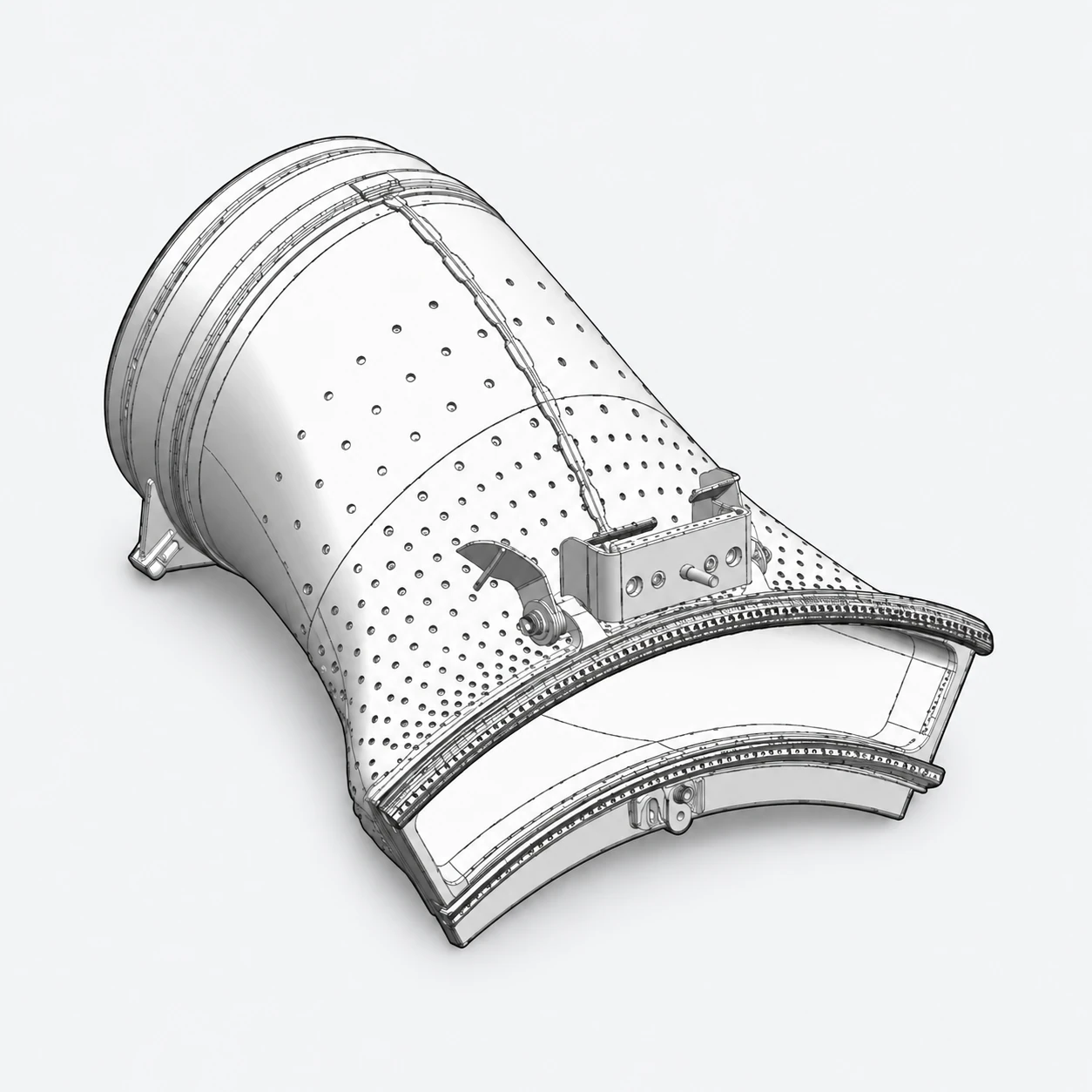
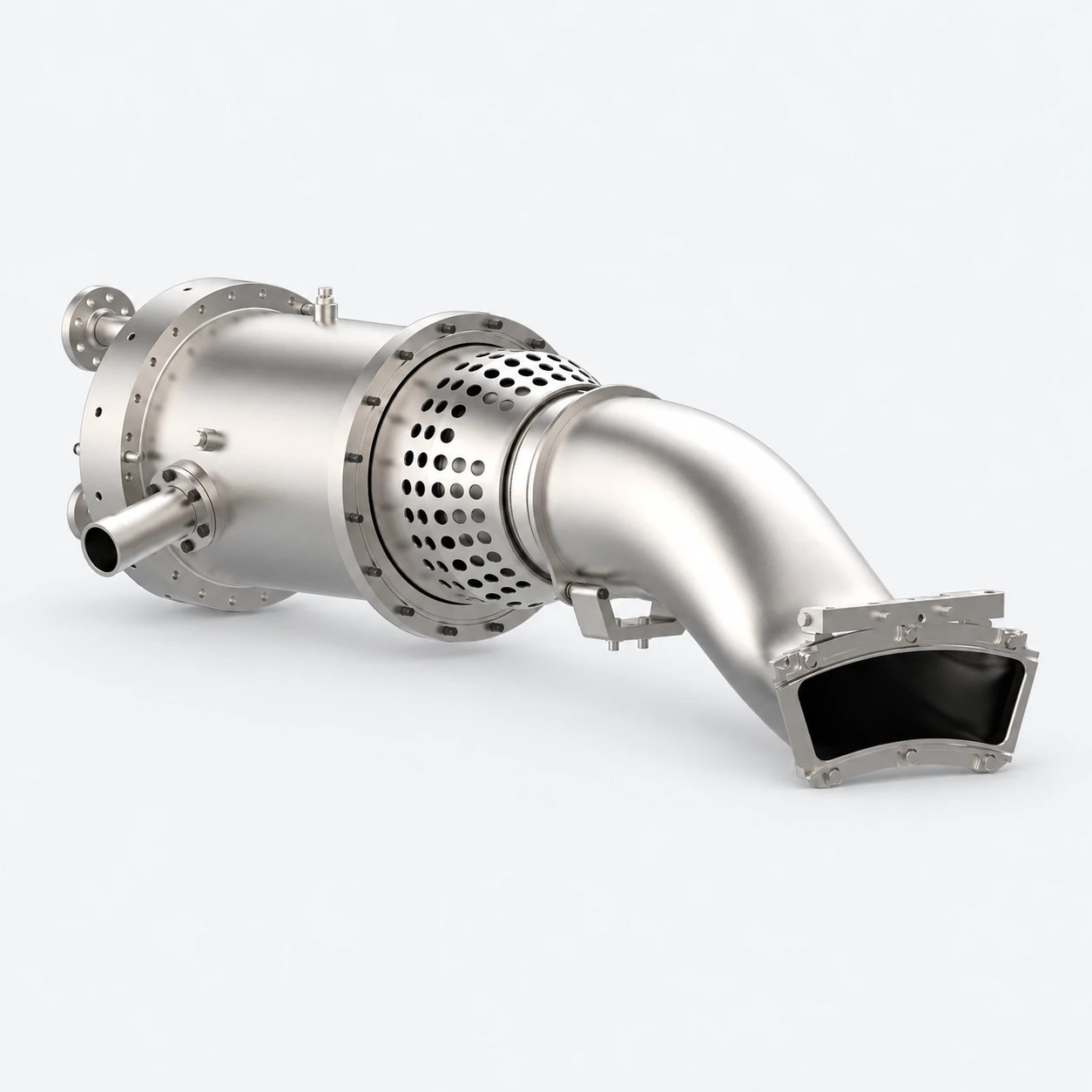
The review connects shell forming and welding with inlet fit, outlet geometry and mounting features. The available examples cover Frame 6F DLN2.6, 6FA and 6FA.03.
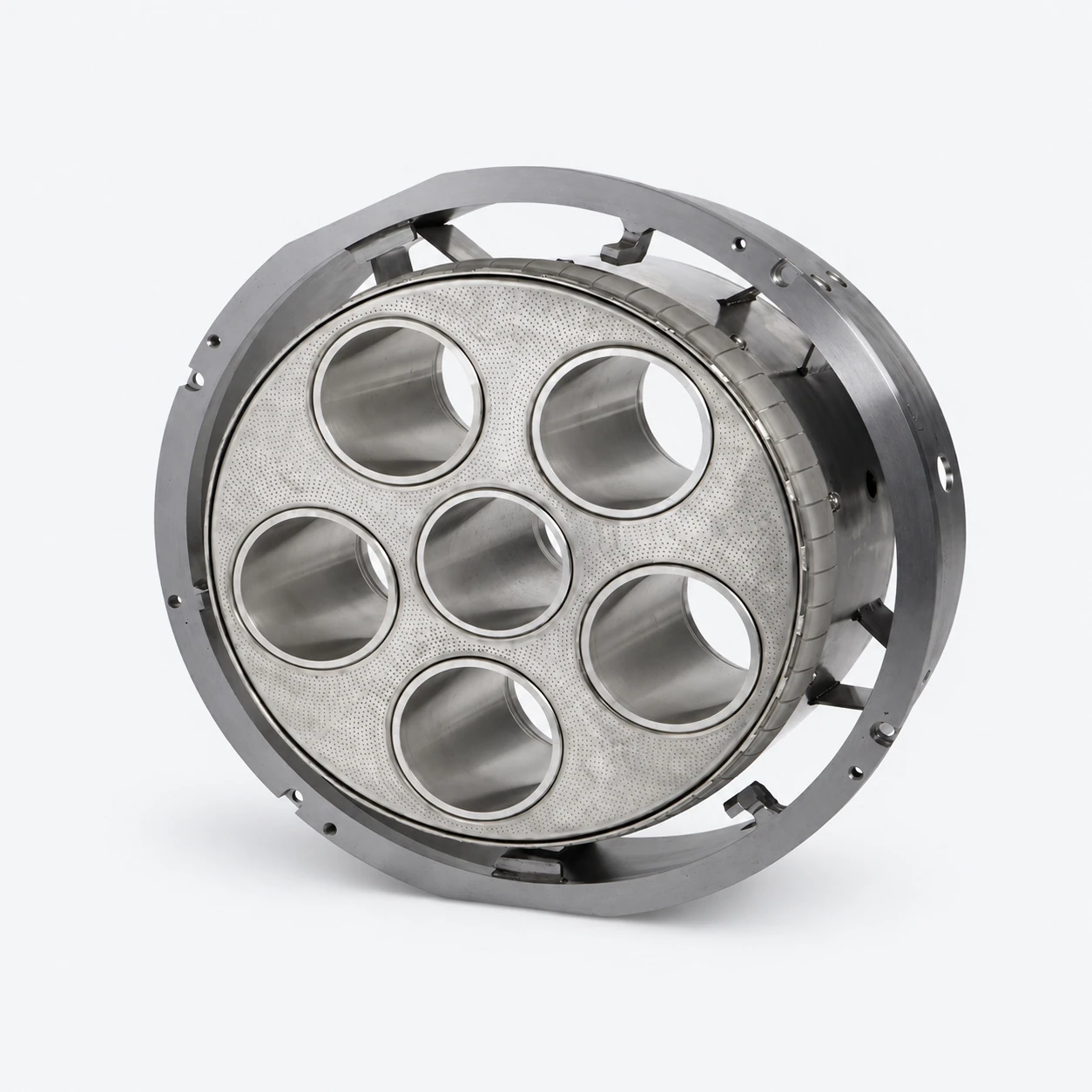
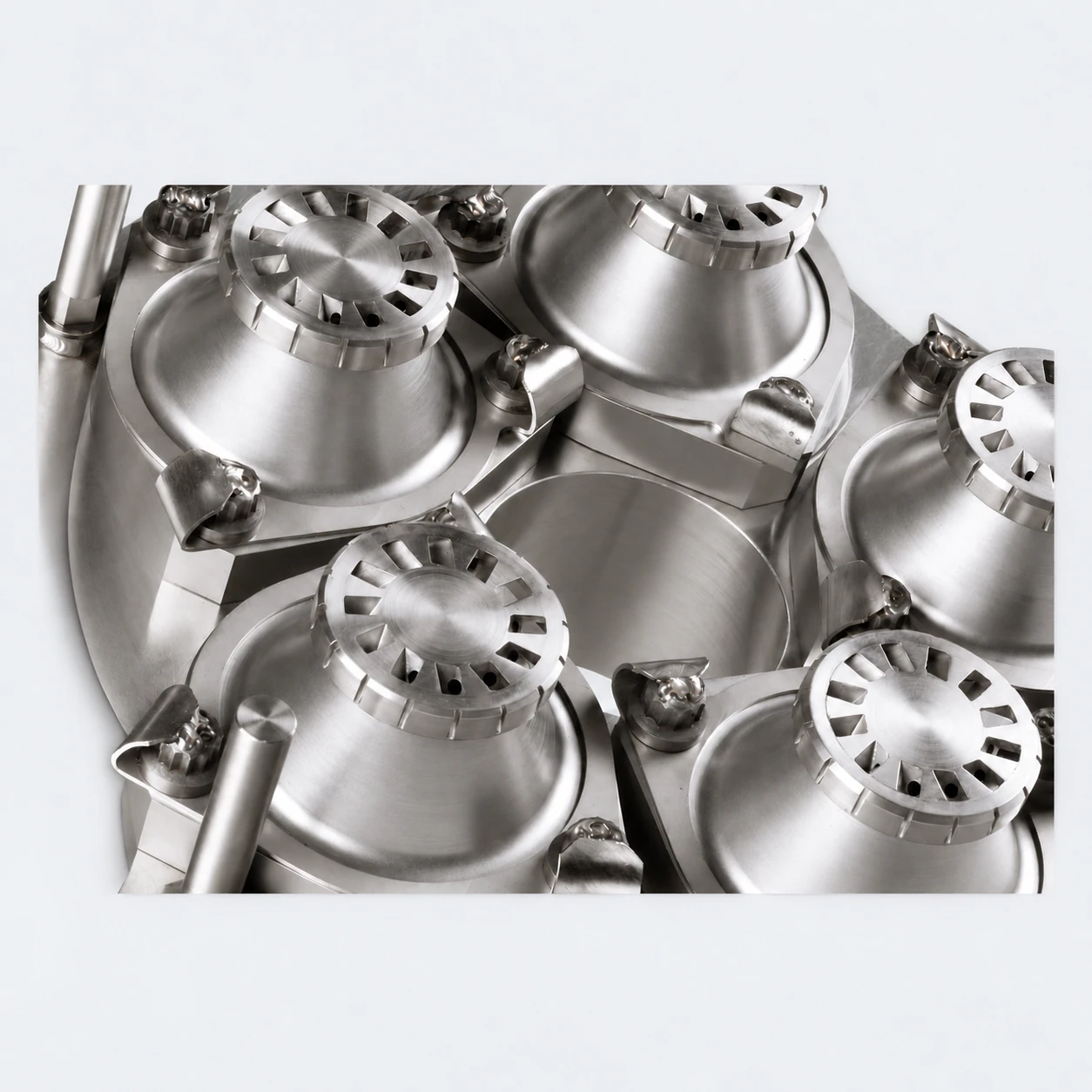
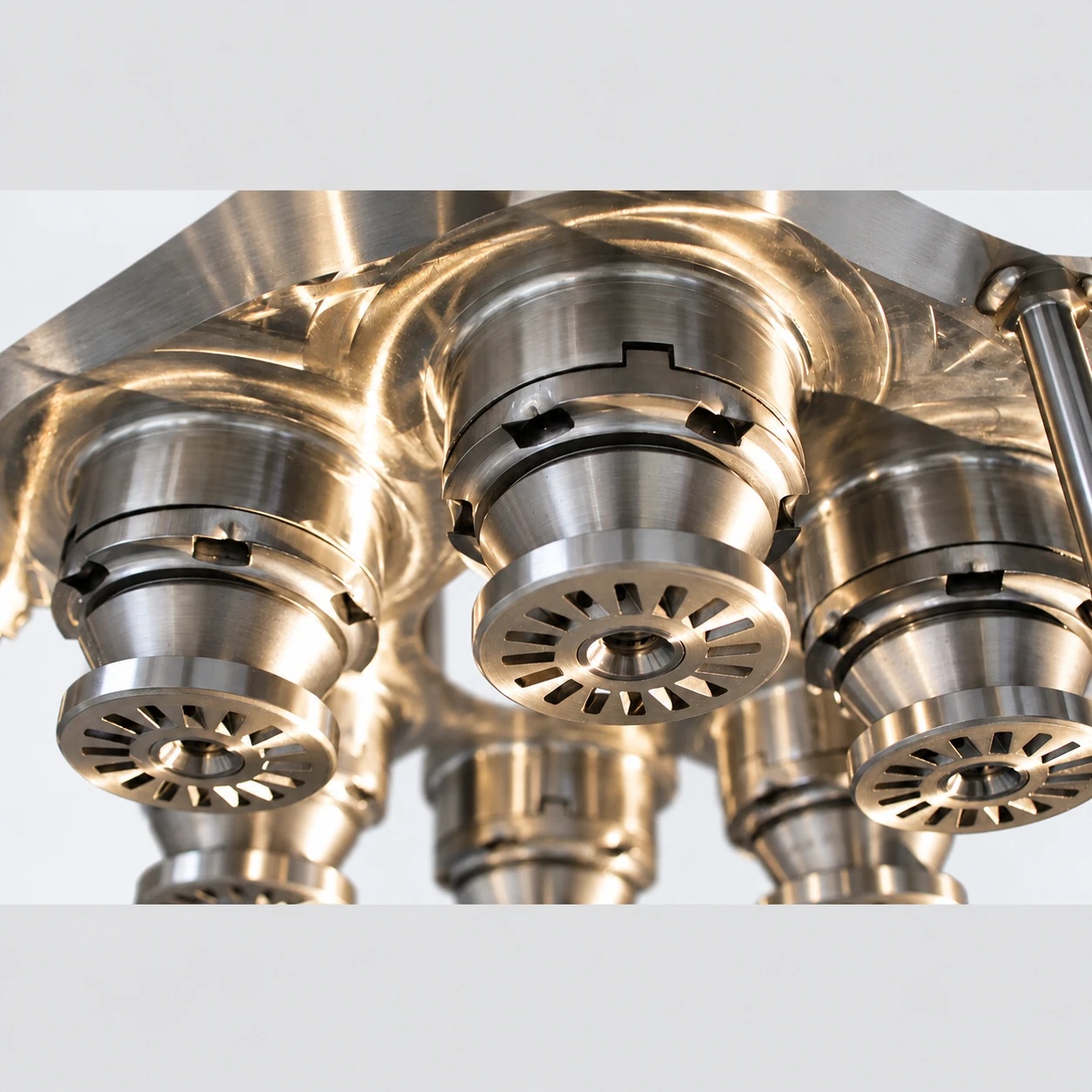
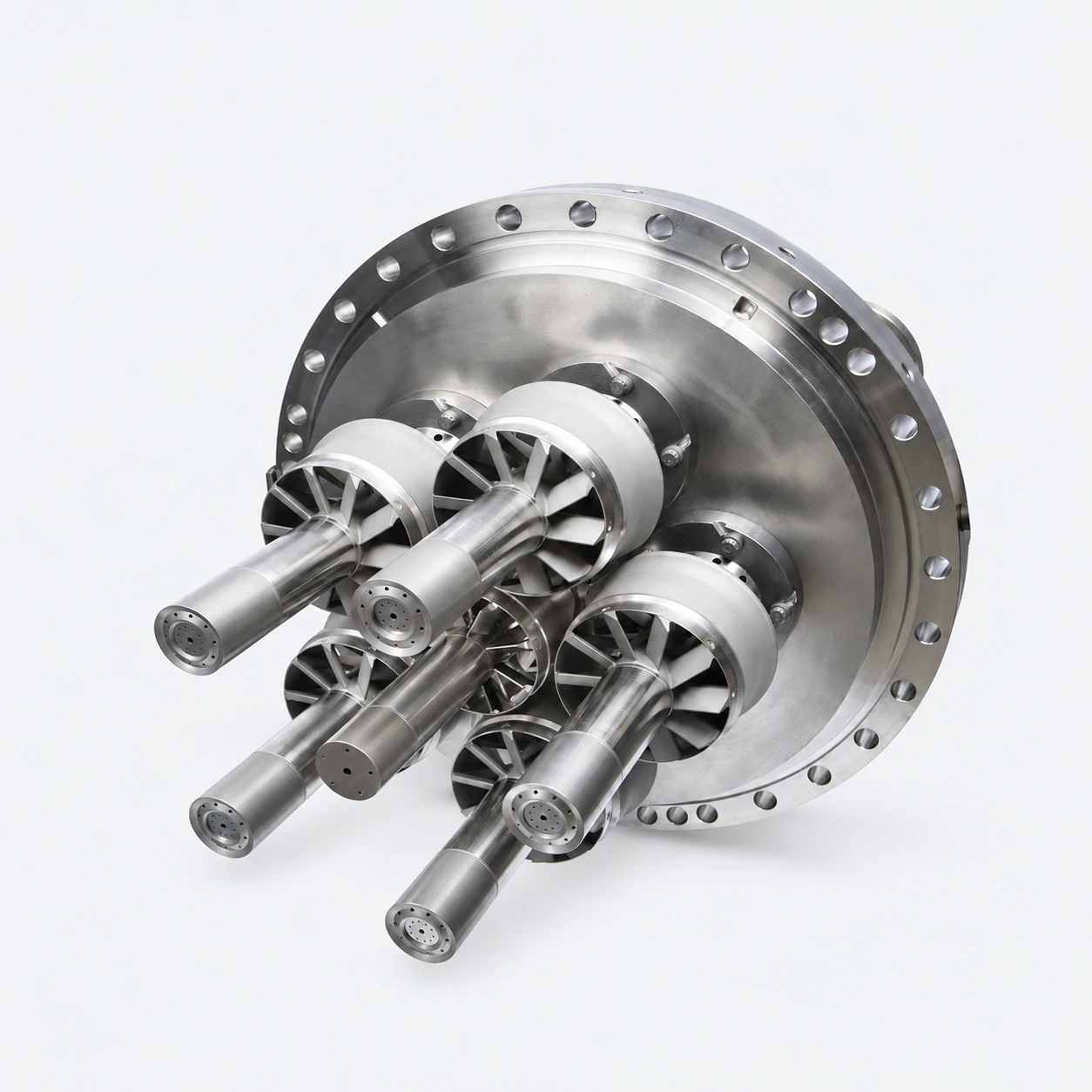
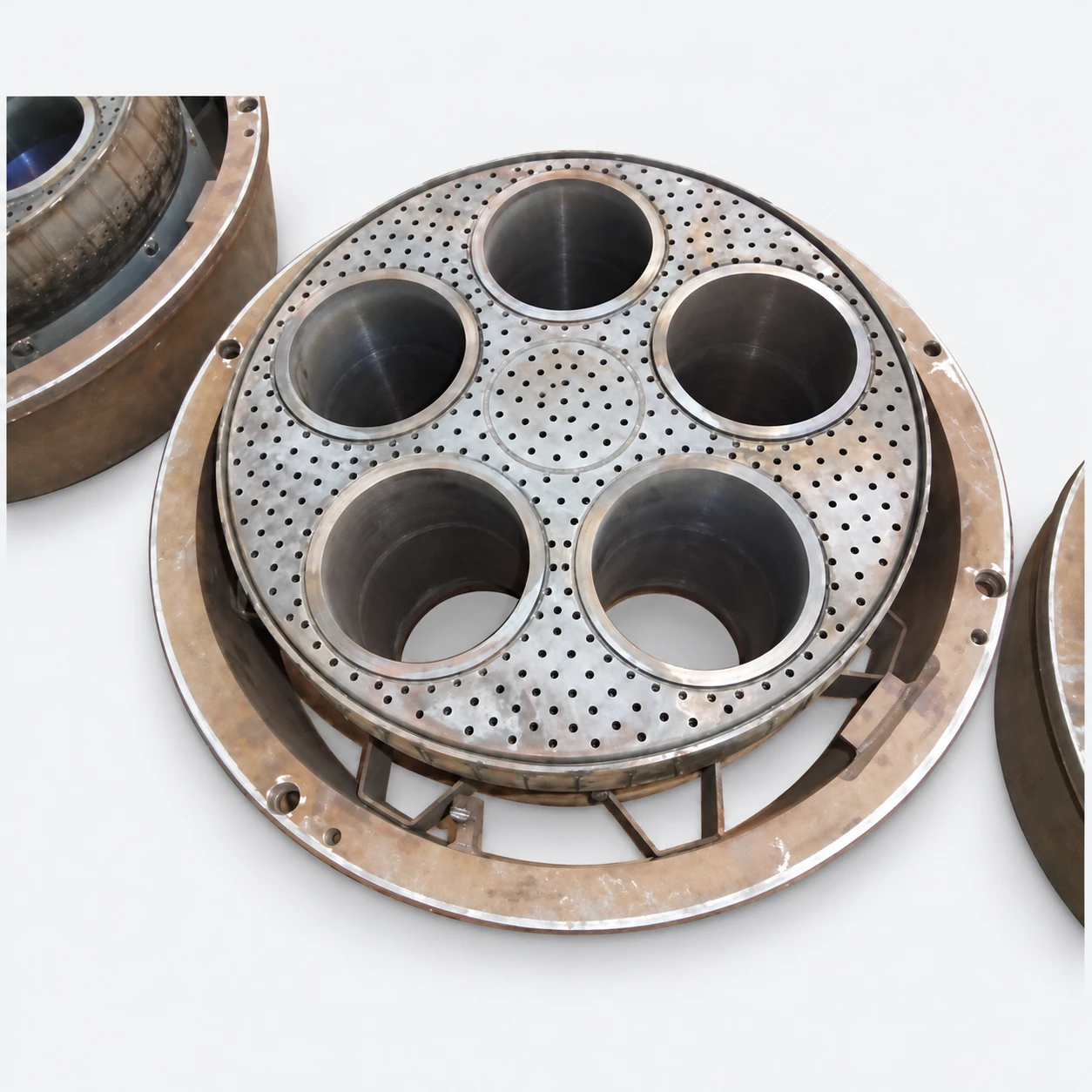
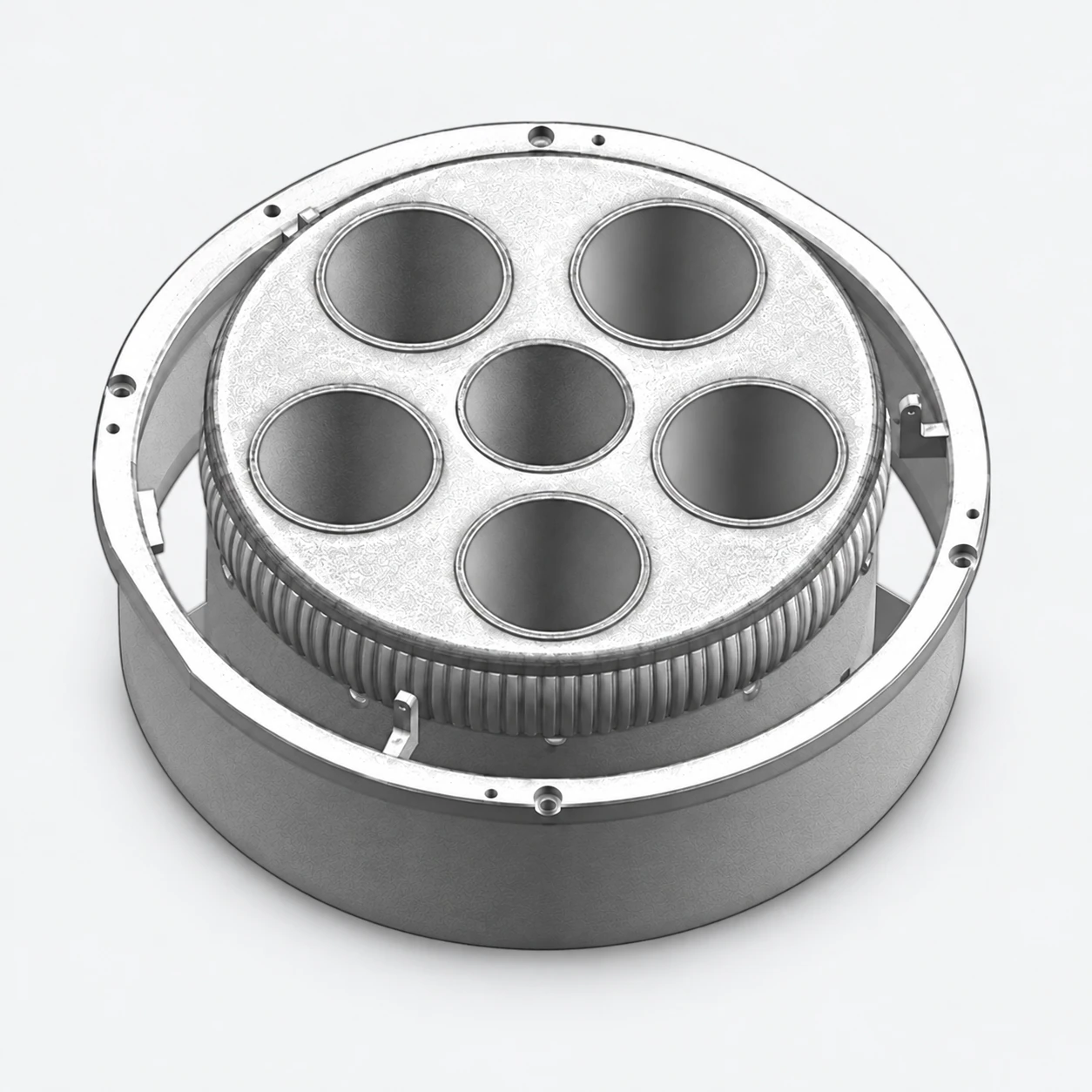
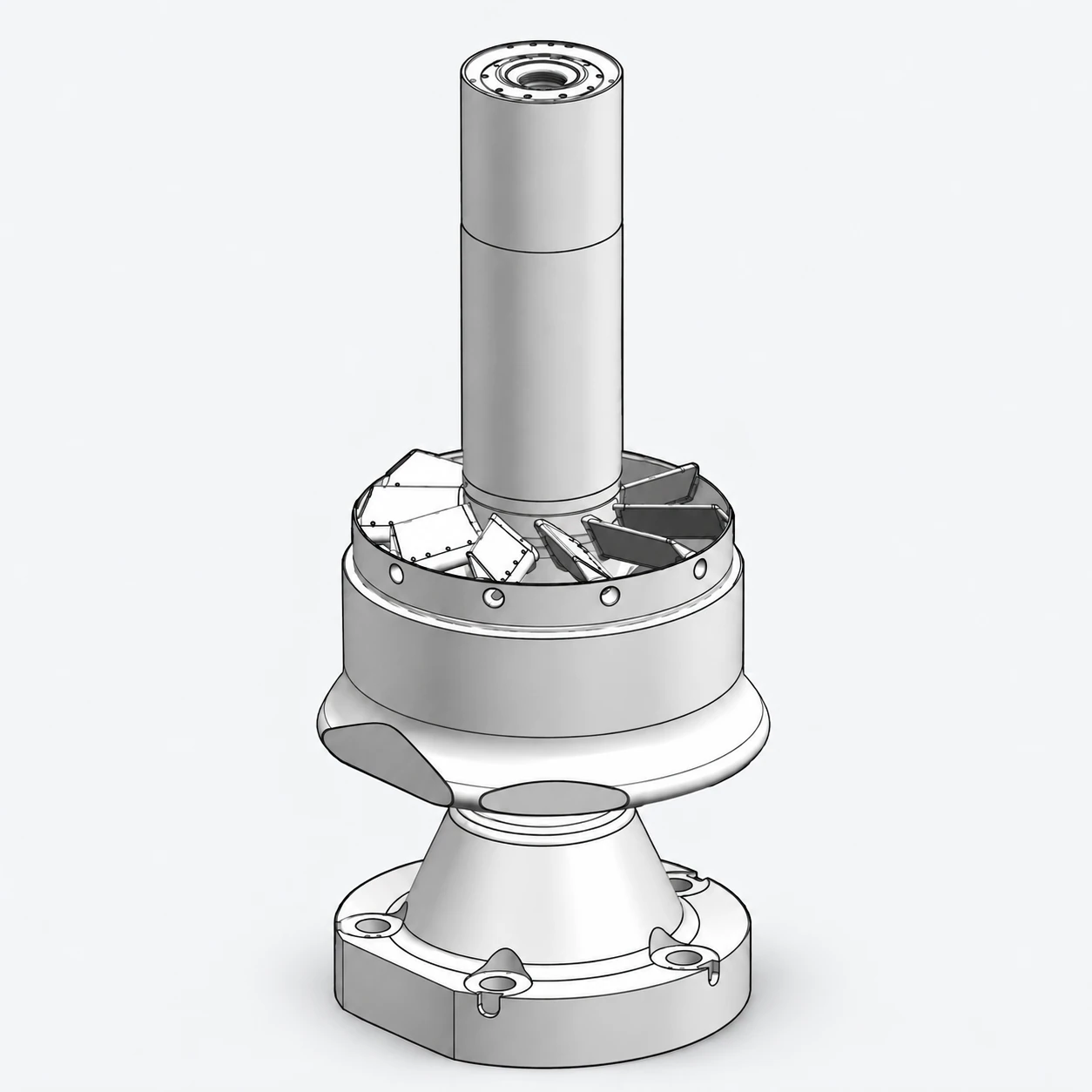
Fuel-entry hardware requires an agreed component scope, machined interfaces and assembly definition. Selected parts are evaluated individually for the specified combustion arrangement.
Two liner examples: conventional and DLN configurations. Each product page identifies the geometry and interface details needed for a manufacturing enquiry.
Explore 6B, 6F, 6FA and 6FA.03 components below. The range includes liners, selected combustion hardware and three transition-piece examples.
Frame 6B Frame 6F Frame 6FA Frame 6FA.03
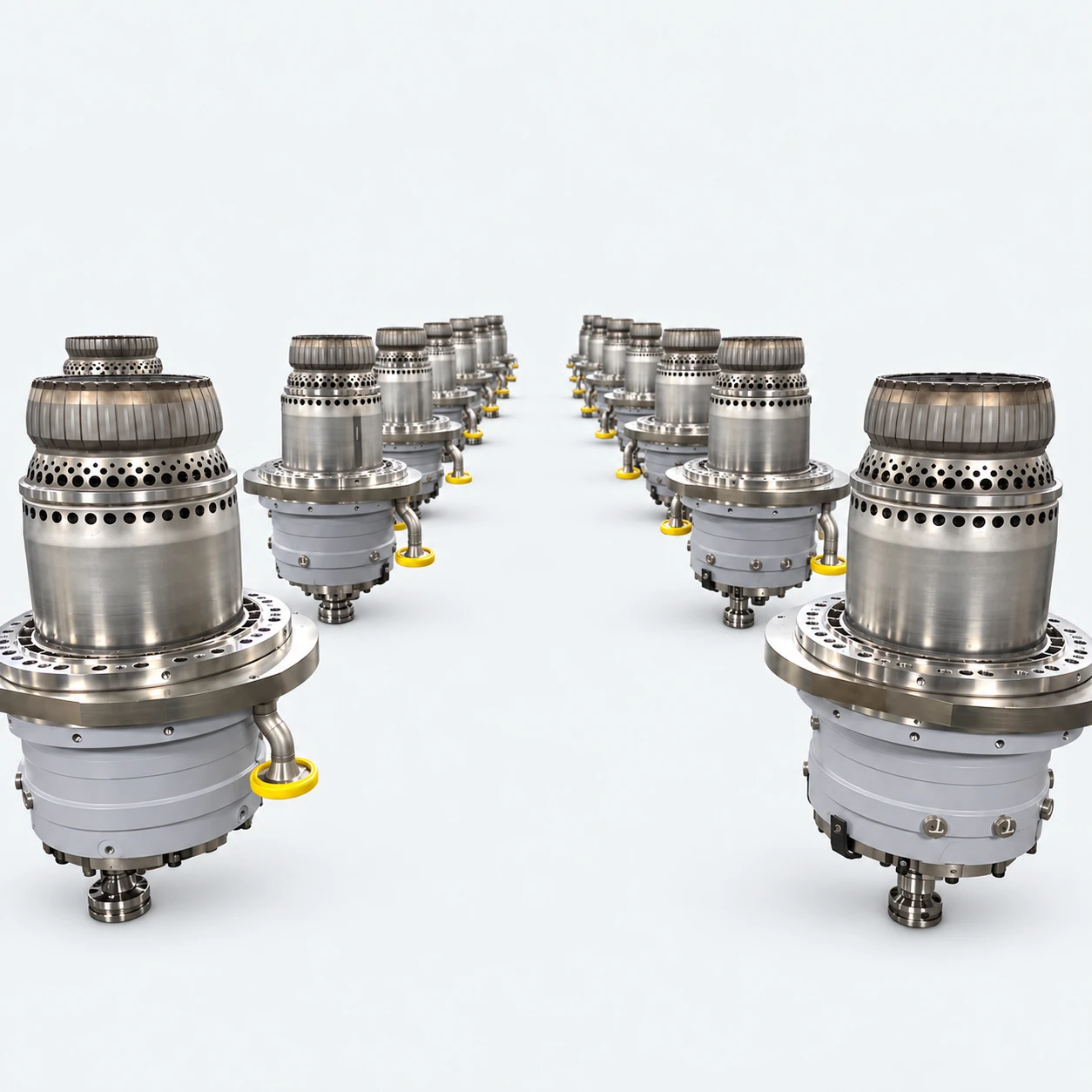
Combustion-system references for DLN, FlameSheet and LEC III arrangements, plus a liner example. Confirm the installed arrangement before selecting the component scope.
Separate 9E and 9F references for liners, selected combustion systems and fuel-entry hardware. The exact configuration remains essential to technical review.
A clear component definition lets Blaze review the process, interfaces and acceptance plan with your team.
Provide the part number, drawing revision, Frame variant and combustion arrangement. Add mating dimensions and the available sample or photographs.
Agree the material, product form, forming or machining scope, welded features and required inspection records. Dimensions and acceptance criteria follow the approved technical documents.
For a Hastelloy enquiry, identify the required grade and product form in the drawing or project specification. A Frame designation alone does not establish the material. Blaze confirms the proposed grade and processing requirements during technical review.
Yes. Describe the available sample, its condition and the documentation you hold. Blaze can assess the information needed for a drawing review or a reverse-engineering proposal.
Include the required component and quantity, material specification, drawing revision, interface details and inspection requirements. These details allow the manufacturing scope to be evaluated together.
Send the component details to Blaze. We will review the manufacturing scope, material and inspection requirements with you.
 English English
 Arabic
 Moroccan Arabic
 Dutch
 French
 German
 Italian
 Polish
 Portuguese
 Russian
 Spanish
 Turkish
 Azerbaijani
 Indonesian
 Thai
 Japanese
 Korean
 Malay
 Myanmar
 Serbian
 Swedish
 Vietnamese