
Why do aircraft engines use integral blades? They are the key to flying!
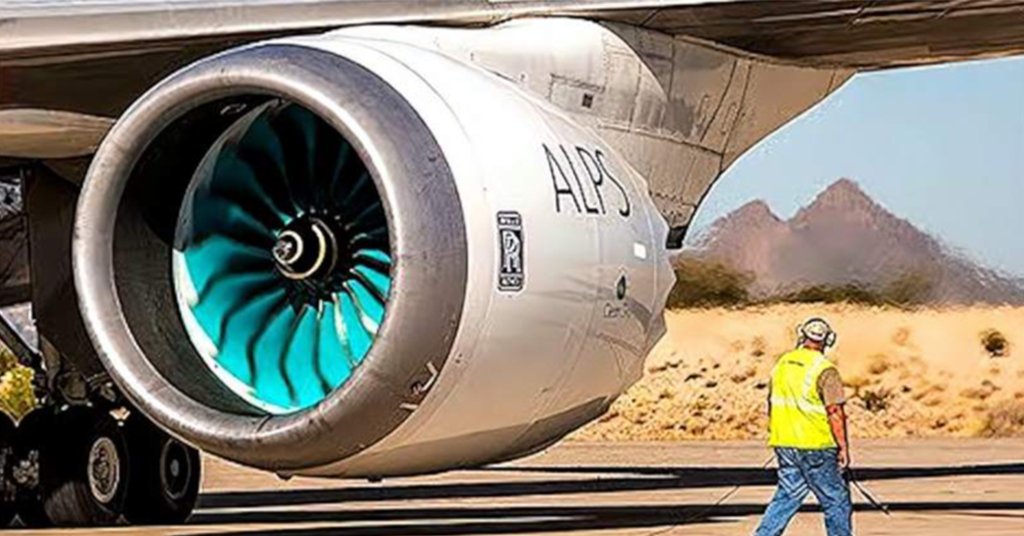
The aircraft engine is the “heart” of the aircraft and is also known as the “crown jewel of industry”. Its manufacturing integrates many cutting-edge technologies in modern industry, involving materials, mechanical processing, thermodynamics and other fields. As countries have higher and higher requirements for engine performance, new structures, new technologies and new processes in research […]
The influence of hot corrosion on the fatigue performance of hot end component materials
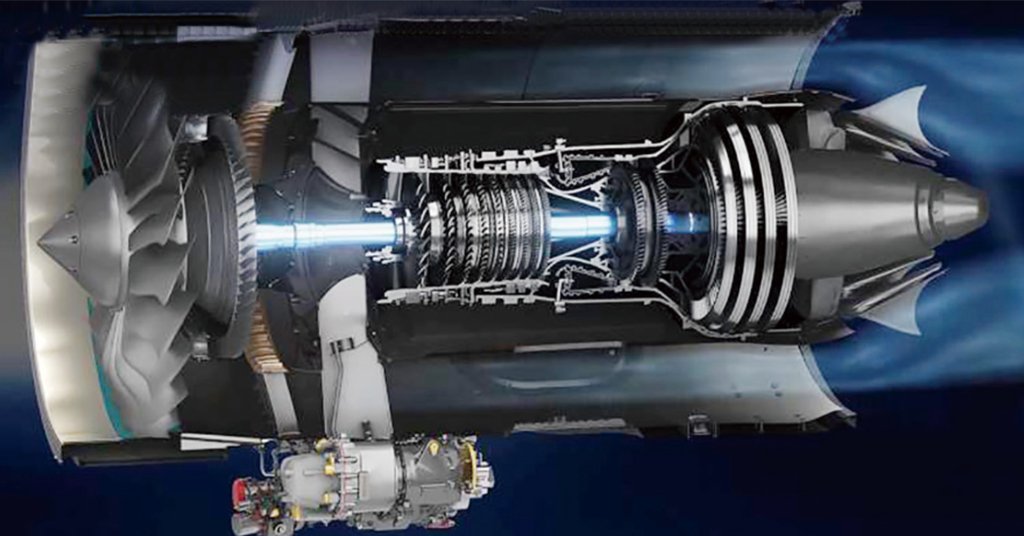
At present, there is a clear understanding of the influence and mechanism of hot corrosion on the fatigue performance of turbine disk alloys. However, similar to high-temperature alloys for turbine blades, existing research results are mainly based on pre hot corrosion of turbine disk alloys and fatigue tests, which cannot reflect the interaction between hot […]
The whole machine is stunning! Graphic animation takes you to understand the four major violent testing experiments of aircraft engines
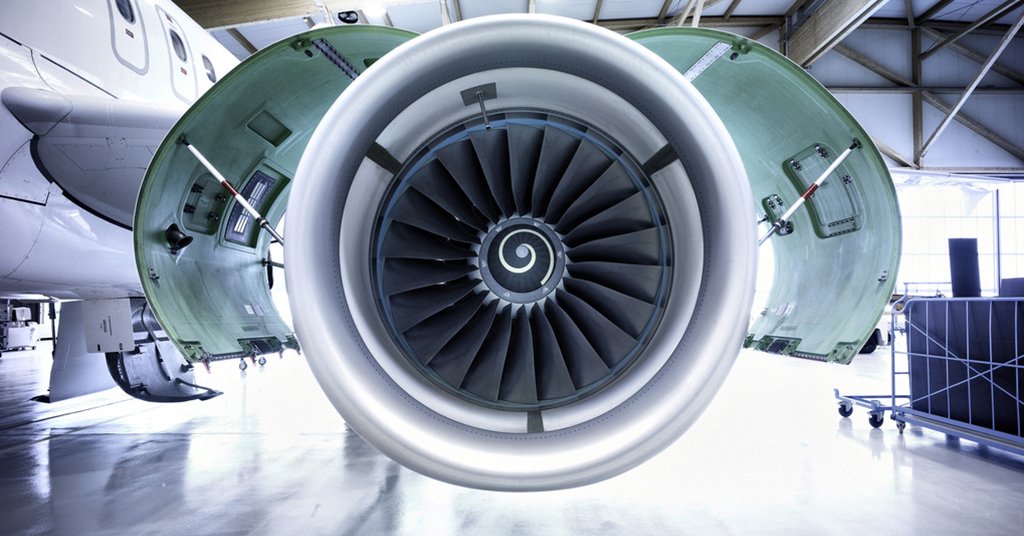
An aircraft engine is a highly complex and precise thermodynamic machine. As the heart of an aircraft, it is not only the driving force for flight, but also an important driving force for the development of the aviation industry. Every important change in human aviation history is closely related to the technological progress of aircraft […]
Turbine Basics – Turbine and Blade Cooling Technology
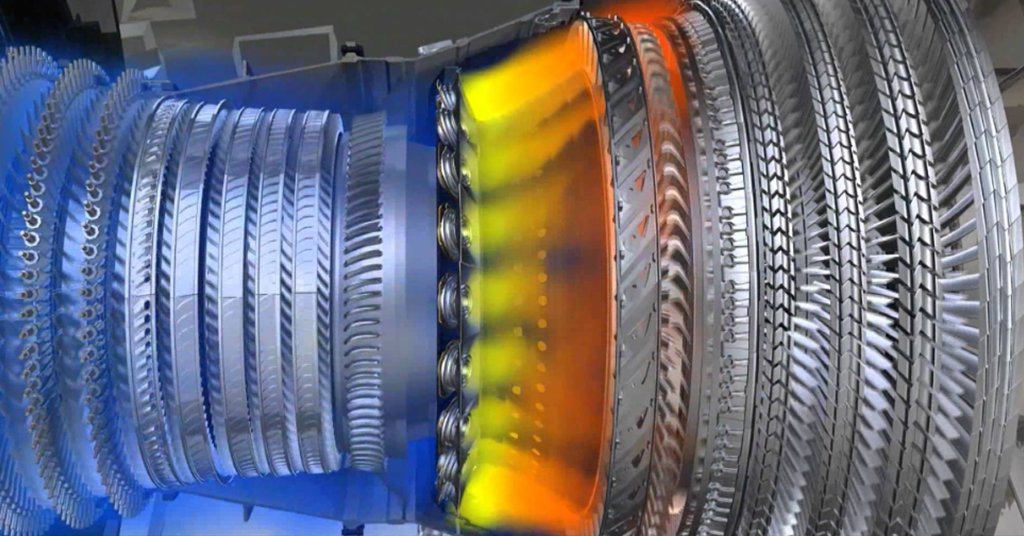
Axial flow turbine structure A turbine is a rotary power machine that converts the enthalpy of a working fluid into mechanical energy. It is one of the main components of aircraft engines, gas turbines, and steam turbines. The energy conversion between turbines and compressors and airflow is opposite in procedure. The compressor consumes mechanical energy […]
Analysis of the development history, market status and development trend of turbine blades
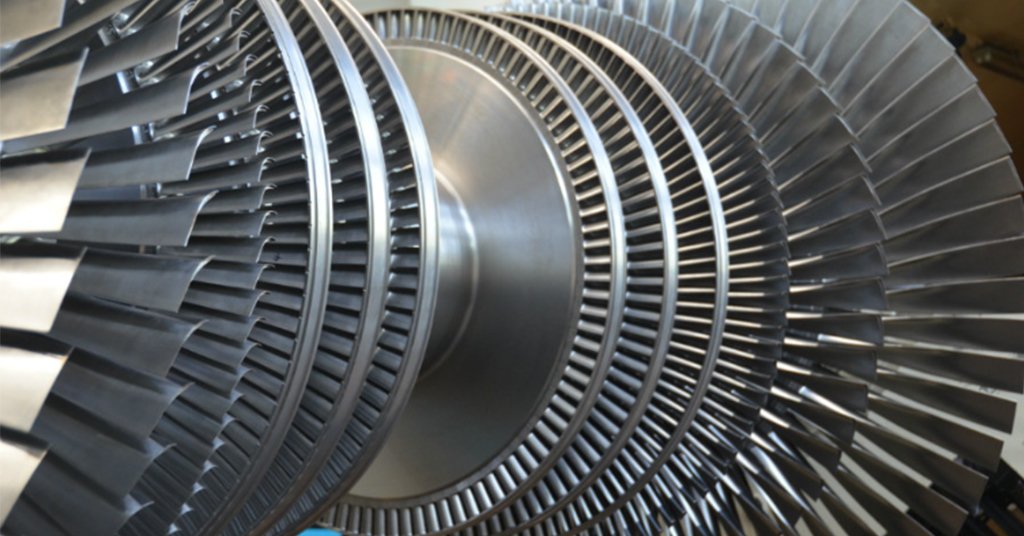
Development History and Trends of Turbine Blades Turbine blades are divided into two categories: turbine guide blades and turbine working blades. The main function of turbine guide vanes is to adjust the flow direction of the exhaust gas from the combustion chamber. The material operating temperature can reach up to over 1,100°C, and the stress […]
Advanced Turbomachinery Blade Design Methods
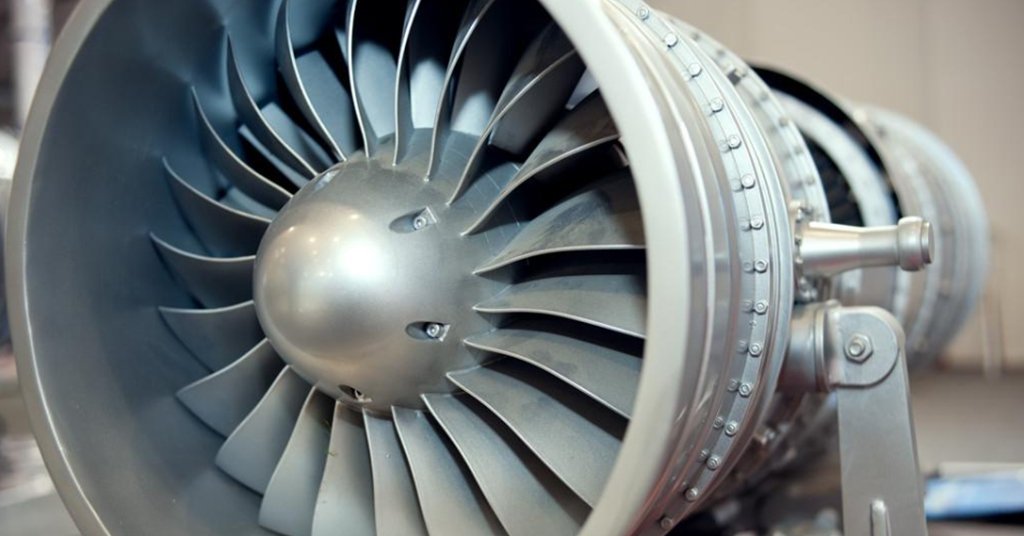
CAESES is a flexible and powerful platform for the design of turbomachinery blades, including advanced endwall optimization methods. All parameterized blade models can be closely linked to meshing and simulation tools to run automated CFD simulation analysis and optimization design. Application cases include turbochargers, steam turbines, fans and pumps – including axial flow, centrifugal or […]
Optimization of gas turbine blade heat treatment: application of thermal diffusion technology and high temperature shielding mud

As a modern key power mechanical equipment, gas turbine efficiency improvement is crucial to energy utilization and industrial development. In order to enhance the performance of gas turbines, researchers have taken various measures in the design and material selection of turbine blades. By optimizing blade design, selecting new high-temperature resistant materials, and coating the blade […]
Turbine: Research progress on cooling structure of air-cooled turbine blades for aircraft engines
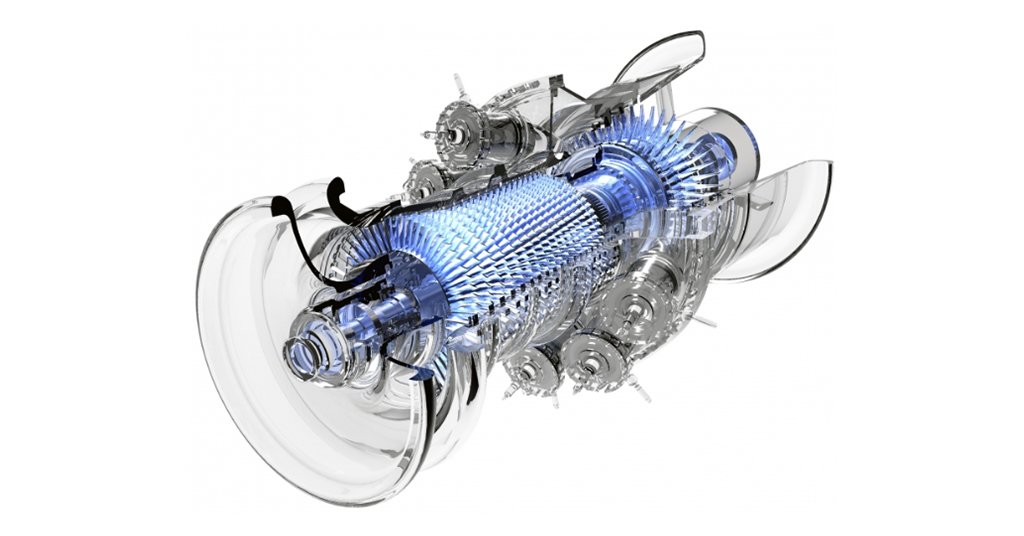
An efficient cooling structure is the key to avoiding thermal damage to air-cooled turbine blades, which directly affects blade cooling efficiency and aircraft engine stability. However, the efficient cooling structure leads to a more complex coherent effect between the mainstream and cold air flow, and the development of efficient cooling structures has always been constrained […]
Recent Progress in Reliability Analysis of Aeroengine Rotor Systems

As a key rotating component of an aero-engine, the rotor system works in a harsh environment of high temperature, high pressure and high speed for a long time, and needs to meet a series of demanding and contradictory indicators such as long life, light weight and high reliability. Under the influence of multiple random factors […]
 Indonesian
  English
  Arabic
  Moroccan Arabic
  Dutch
Dutch  French
  German
  Italian
  Polish
  Portuguese
  Russian
  Spanish
  Turkish
  Azerbaijani
  Thai
Thai  Japanese
  Korean
  Malay
Malay  Myanmar
  Serbian
  Swedish
  Vietnamese