
There is a universe hidden in every turbine blade
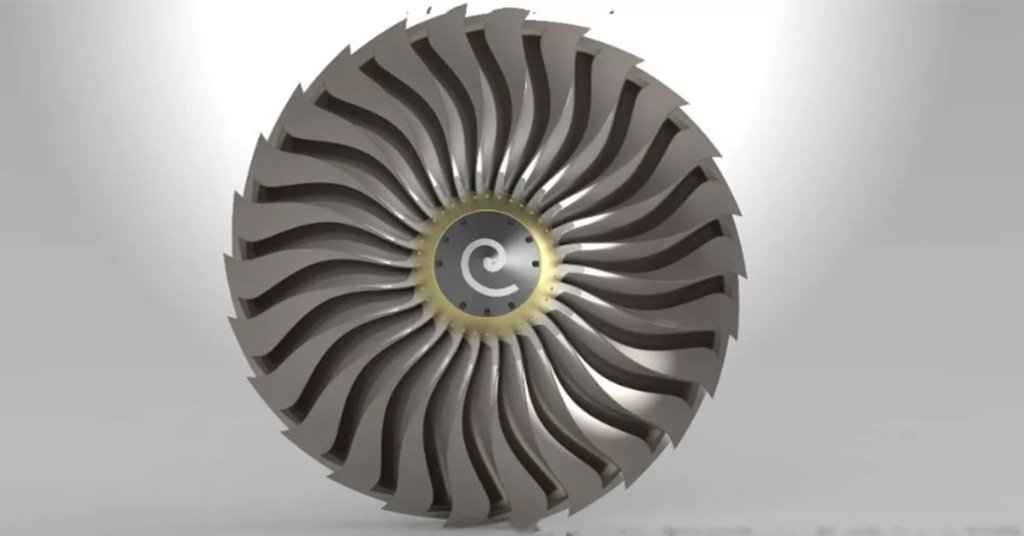
The beauty of the universe lies in its mystery and depth. The Milky Way alone contains countless galaxies, stars and dust, far beyond the range of human observation. Did you know that the turbine blades of aircraft engines also contain a “universe” of materials. In this “universe”, atoms and molecules are cleverly combined to help the engine meet various performance requirements. Turbine blades Material research and development Blade material development process In the 1930s, researchers developed high-temperature alloys with excellent high-temperature performance to replace stainless steel, allowing the blade to be used at temperatures up to 800°C. Soon after, the emergence of vacuum smelting technology promoted the development of cast […]
Basic knowledge of aircraft engine blades (1)
Introduction to turbine blades The component with the worst working conditions in the turbine engine is also the most important rotating component. In the hot end components of aircraft engines, the turbine blades are subjected to high-temperature gas erosion and temperature changes during the engine start-up and shutdown cycles, and the rotor blades are subjected to centrifugal force at high speeds. The material is required to have sufficient high-temperature tensile strength, endurance strength, creep strength, as well as good fatigue strength, oxidation resistance, gas corrosion resistance and appropriate plasticity. In addition, long-term organizational stability, good impact strength, castability and low density are also required. The gas inlet temperature of advanced […]
Research and application of adaptive machining technology for damage repair of aero-engine turbine blade tips
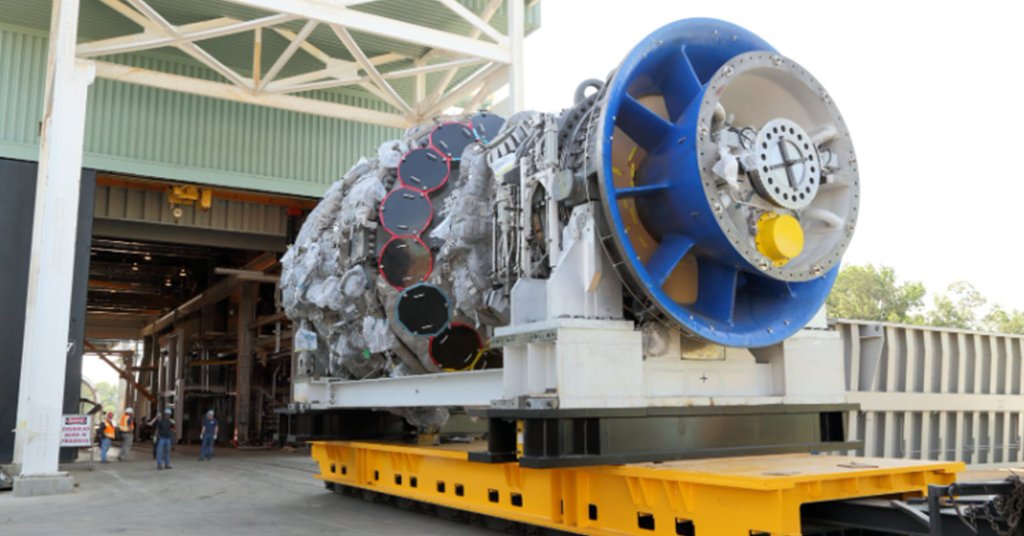
The repair of damaged turbine blades is of great significance to the maintenance and life extension of aircraft engines. This paper reviews the research progress of the repair technology of a certain nickel-based cast high-temperature alloy turbine working blade, focusing on the repair method of adaptive machining at the blade tip, and deeply expounds the experimental processing process and verification results, and looks forward to the development prospects of turbine blade repair technology. The aircraft engine is the power core of the aircraft. Among the various components of the aircraft engine, the functional mission and working characteristics of the turbine blades determine that it is one of the rotating parts […]
Study on the influence mechanism of thermal barrier coating on the cooling effect of turbine blades of a certain type of gas turbine
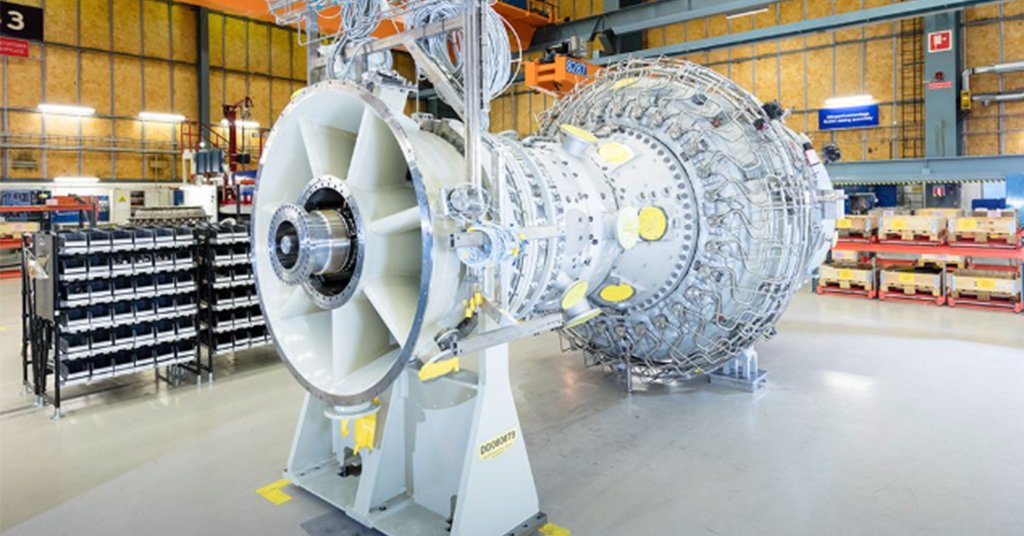
In order to obtain the thermal insulation effect and temperature distribution law of thermal barrier coating on turbine blades, a certain type of gas turbine high-pressure turbine moving blade with internal cooling structure was used as the basic model. The cooling effect of high-pressure turbine moving blade with or without thermal barrier coating protection was numerically calculated by gas-heat coupling method, and the influence of thermal barrier coating on blade heat transfer was studied by changing the thickness of thermal barrier coating. The study found that after coating with thermal barrier coating, the temperature of the blade dropped significantly, the closer to the leading edge, the greater the temperature drop, […]
Welding repair and remanufacturing technology for aircraft engine turbine blades and fan/compressor blades

Aircraft engine blades are in a complex and harsh working environment for a long time, and are prone to various types of damage defects. It is expensive to replace blades, and research on blade repair and remanufacturing technology has huge economic benefits. Aircraft engine blades are mainly divided into two categories: turbine blades and fan/compressor blades. Turbine blades usually use nickel-based high-temperature alloys, while fan/compressor blades mainly use titanium alloys, and some use nickel-based high-temperature alloys. The differences in materials and working environments of turbine blades and fan/compressor blades result in different common types of damage, resulting in different repair methods and performance indicators that need to be achieved after […]
Precision machining technology and equipment for thin-walled, special-shaped and complex blades of aircraft engines

As a key component to achieve the performance of aero-engines, blades have typical characteristics such as thin-walled, special-shaped, complex structures, difficult materials to process, and high requirements for processing accuracy and surface quality. How to achieve precise and efficient processing of blades is a major challenge in the current aero-engine manufacturing field. Through the analysis of the key factors affecting blade processing accuracy, the current status of research on blade precision processing technology and equipment is comprehensively summarized, and the development trend of aero-engine blade processing technology is prospected. In the aerospace industry, lightweight, high-strength thin-walled parts are widely used and are key components for achieving the performance of important […]
Study on Combustion and Emission Characteristics of Rich Hydrogen Gas in Gas Turbine Model Combustion Chamber (1)
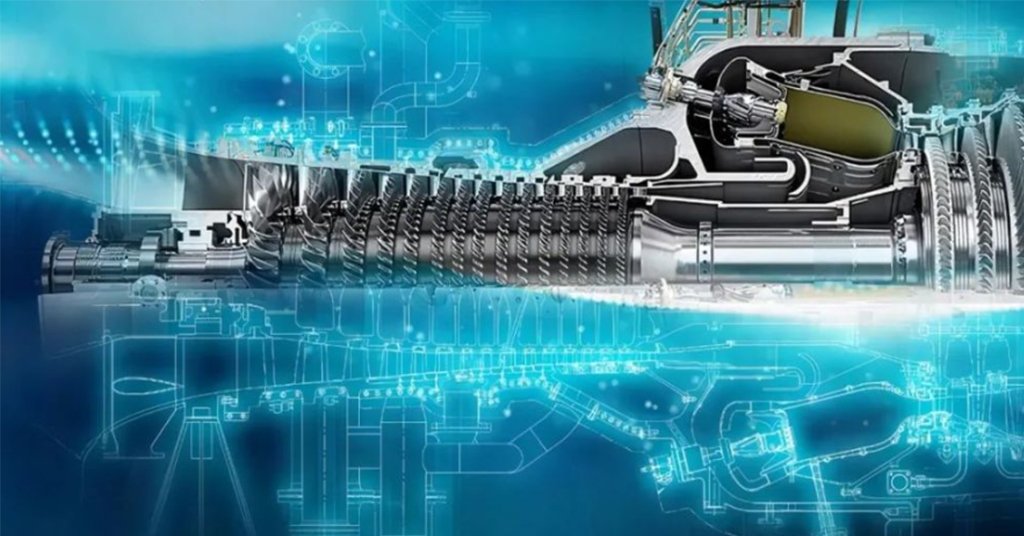
Replacing fossil fuels with renewable energy sources such as hydrogen can significantly reduce carbon emissions. In the field of gas turbines, domestic and foreign manufacturers have focused on laying out hydrogen gas turbines. At present, there are significant technical challenges for pure hydrogen gas turbines [1], and hydrogen blending gas turbines are the key development direction at present and for a period of time. Domestic and foreign scholars have conducted research on the basic combustion characteristics, turbulent combustion characteristics, and gas turbine combustion characteristics of mixed fuels (known as “hydrogen rich gas”) mixed with hydrogen in methane. In terms of basic combustion characteristics, Zhang et al. [2] studied the ignition […]
Load characteristics and calculation status of compressor and turbine disks of aircraft engines
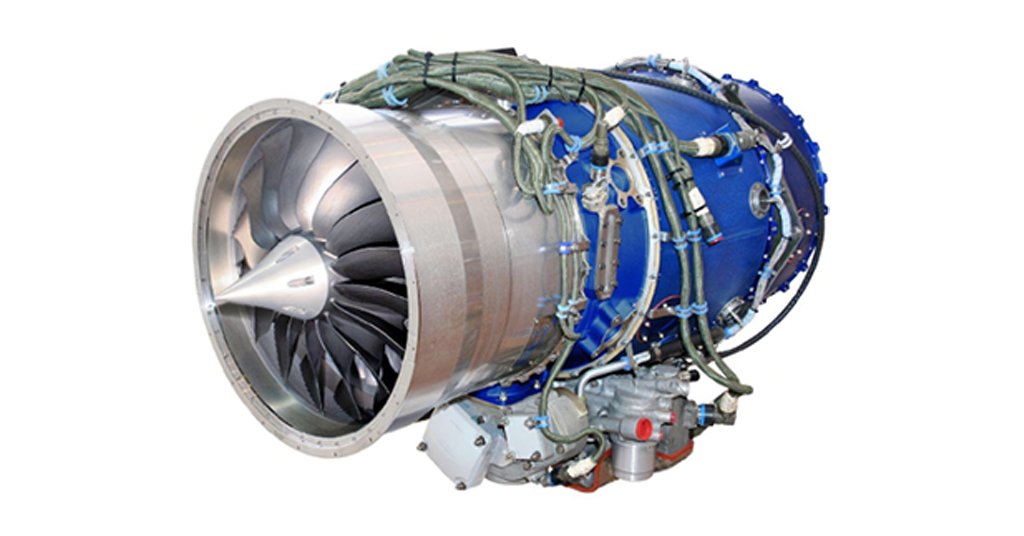
Although there are differences in the functions and structures of compressor and turbine rotors, in terms of strength, the working conditions of the wheels of the two are roughly the same. However, the turbine disk is at a higher temperature, which means that the working environment of the turbine disk is more harsh. The loads borne by the compressor disc or turbine disc of an aircraft engine are as follows: Mass Centrifugal Force The impeller must withstand the centrifugal force of the blades and impeller itself caused by the rotation of the rotor. The following speed conditions should be considered in strength calculation: The blades, locks, baffles, bolts, nuts and […]
Research progress on aerodynamic performance of aircraft engine combustion chamber based on large eddy simulation
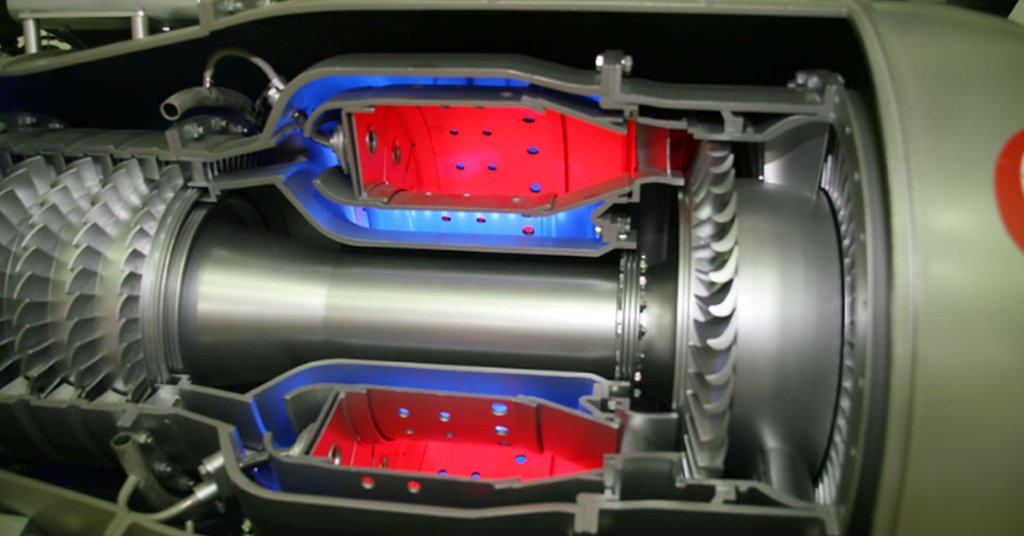
The combustion chamber is one of the core components of an aircraft engine, and the aerodynamic performance of the combustion chamber plays a vital role in the performance of the entire engine. In order to meet the increasingly stringent technical requirements of the engine for the combustion chamber, the combustion organization mode and flow characteristics inside the combustion chamber have become very complex. The deceleration and pressurization process of the diffuser may face flow separation under a strong adverse pressure gradient; the airflow passes through a multi-stage swirl device to form a large-scale vortex structure, which on the one hand promotes the atomization and evaporation of the liquid fuel and […]
 Japanese
  English
  Arabic
  Moroccan Arabic
  Dutch
Dutch  French
  German
  Italian
  Polish
  Portuguese
  Russian
  Spanish
  Turkish
  Azerbaijani
  Indonesian
  Thai
Thai  Korean
  Malay
Malay  Myanmar
  Serbian
  Swedish
  Vietnamese