
Revealed: How can reverse development combined with directional solidification casting technology improve turbine segment performance?

Customer background and needs Our client is a power company based in Singapore that operates a large gas-fired power station. These power stations use gas turbines manufactured by internationally renowned brands, but during long-term operation, the turbine segment components have suffered serious wear and performance degradation. The original parts are not only expensive, but also the delivery cycle is as long as several months, which seriously affects the operational efficiency and cost control of the power station. As a result, customers urgently need an alternative that is both economical and efficient to ensure the stable operation of the power station. Project initiation and analysis Upon receiving the customer’s request, our […]
Nickel-based superalloy directional casting turbine blades: the perfect combination of material and process

As a foreign trade company specializing in gas turbine components, BLAZE Shenzhen has recently partnered with an electric energy company based in Iran. The company encountered a difficult problem when operating multiple natural gas power stations: Frequent cracks and wear on conventional turbine blades at high temperatures and pressures led to frequent downtime, increased maintenance costs, and affected the overall efficiency of the plant. To solve this problem, we recommended and implemented Directional Casting technology to our customers to produce new turbine blades. 1. Advanced directional solidification casting process Directional solidification casting is a highly accurate metal processing method that reduces the number of grain boundaries, especially those that are […]
Detailed explanation of gas turbine development steps: Build efficient power system

The development process of gas turbine includes three main stages: demand analysis and conceptual design, detailed design and simulation, and prototype manufacturing and testing. First, the preliminary design and technical specifications are determined through market demand and technical feasibility studies. Then, detailed engineering design and simulation analysis are carried out to optimize the performance of each component. Finally, the prototype is manufactured and strictly tested to ensure that it meets the design requirements and practical application conditions. 1. Market demand analysis and project start-up 2. Conceptual design and technical feasibility study 3. Detailed design phase (1) Detailed pneumatic design: (2) Structural design and Finite Element Analysis (FEA) (3) Air flow […]
Engineering Excellence: Case Study on Equiaxed Crystal Casting for Enhanced Gas Turbine Reliability

In the gas turbine industry, key components for performance excellence and reliability are at the heart of customer concern. As a company focused on the export of high-quality gas turbine components, we understand the importance of innovative technologies and quality materials to meet these needs. Recently, we worked with a Russian energy company to successfully supply them with segment products produced using the Equiaxed Crystal Casting process. This success story not only demonstrates our professionalism in the manufacturing process, but also demonstrates our choice and application of high-quality materials. 1.Project background Our partner is a world-renowned energy solutions provider dedicated to the manufacture of power generation equipment with high efficiency […]
Innovative application of equiaxed crystal casting technology in turbine blade manufacturing
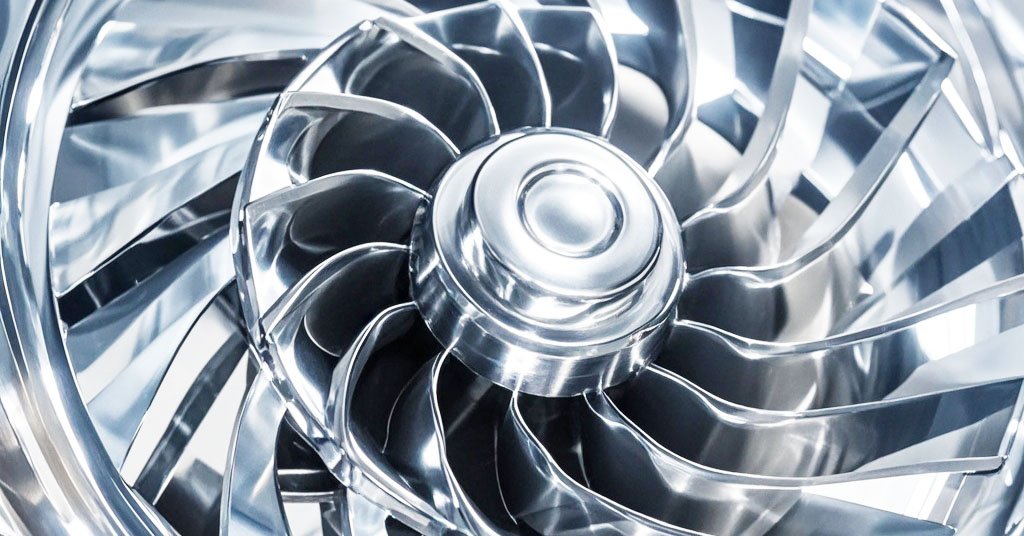
As a foreign trade company focusing on gas turbine parts manufacturing, we are always committed to providing customers with high performance and high reliability products through advanced materials and process technology. Equiaxed crystal casting technology shows significant advantages in turbine blade manufacturing because of its unique material characteristics and precision manufacturing process. This article will describe in detail our application of equiaxed crystal casting technology and its excellent results through a successful case. 1. Case background Customer background: The Russian customer asked our company to produce a superalloy blade with excellent mechanical properties and longer service life at high temperatures, while reducing maintenance costs and downtime. After communication and discussion […]
From Theory to Flight| A Case Study on Advanced Turbine Blade Production with Equiaxed Casting
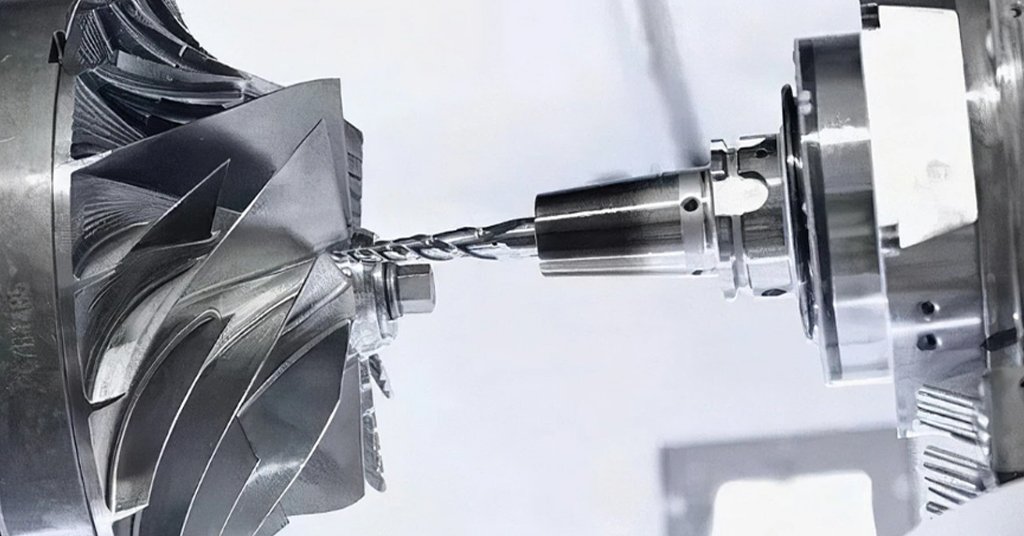
Precision Manufacturing of Turbine Blades:In the modern aerospace and energy industries, turbines are indispensable, serving as the heart of aircraft engines, power plants, and a variety of other high-performance machines. As a critical component of these systems, turbine blades must withstand extreme operating conditions, including exposure to high temperatures, pressures, and the intense centrifugal forces generated by rapid rotation, all while maintaining long-term efficiency and reliability. To meet such stringent requirements, manufacturers continuously seek out advanced materials and innovative manufacturing techniques. One such technique that has gained significant traction is equiaxed crystal casting. What is Equiaxed Crystal Casting? Equiaxed crystal casting is a specialized metal solidification process in which the […]
Method for crack analysis of aero engine integral blade ring
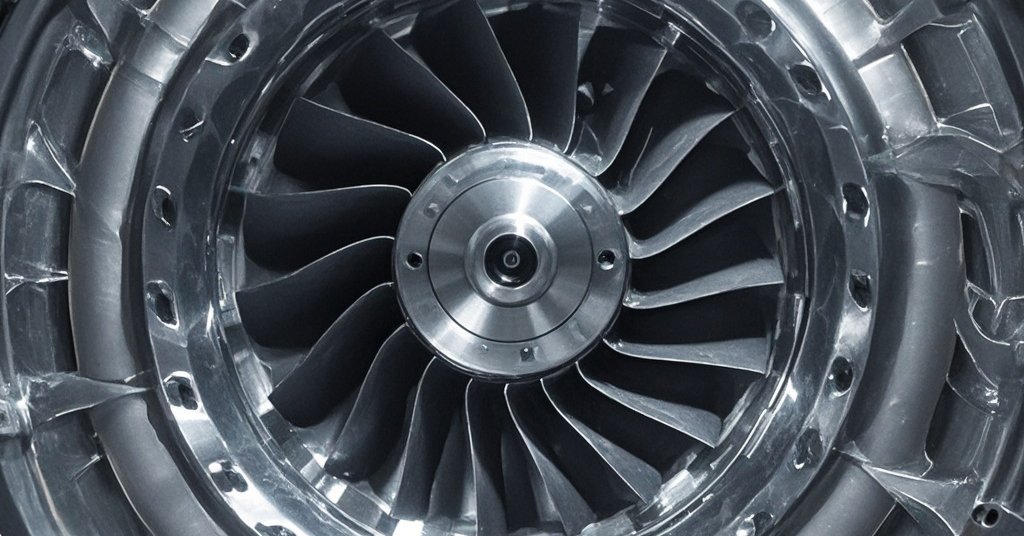
With the improvement of aero-engine performance, lightweight and high-efficiency materials for turbine blades have become a developing trend. Silicon carbide long fiber reinforced titanium matrix composites have attracted much attention because of their good weight reduction effect and ability to withstand annular loads. This turbine blade material has high strength, high temperature resistance and excellent fatigue and creep properties. The manufacturing process involves forging the titanium alloy into a blade shape, reserving slots in the blade ring to fill the composite material, which is then tightly bonded by hot isostatic pressing technology. In this study, the vibration fatigue life of blades I using FHT+HIP process and blades II using only […]
Aeroengine turbine blades: a material revolution in extreme environments
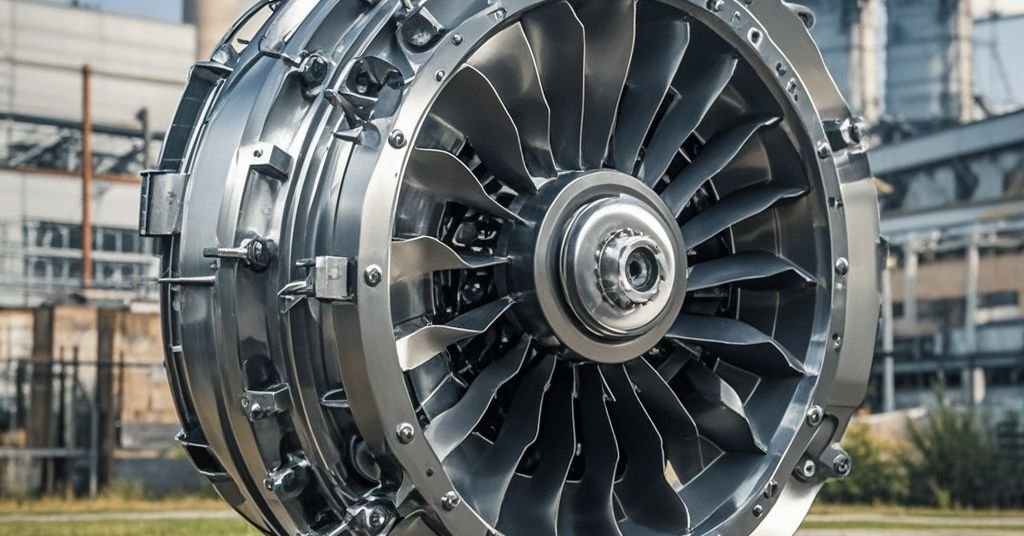
Aero-engine is the core of modern aviation industry, and its performance directly affects the speed, maneuverability and range of aircraft. In order to meet the needs of turbine blades under extreme operating conditions, especially high temperature and pressure environments, nickel-based superalloys have been rapidly developed since the late 1930s. In this paper, we will review the development of nickel-based superalloys from Nimonic series to directional solidification and single crystal superalloys, discuss how these materials can gradually improve the temperature resistance and mechanical properties of turbine blades, promote the continuous improvement of aero engine performance, and look into the future development trend. In order to meet the needs of hot-end components […]
Engineering Durability| Key Principles for Enhanced Gas Turbine Reliability
In the demanding world of power generation and industrial applications, gas turbines must operate with unparalleled reliability and efficiency. Ensuring their structural integrity is crucial to achieving long-term performance and minimizing downtime. This article explores the key structural detail design principles that are essential for enhancing the reliability of gas turbines. We will delve into advanced material selection, thermal management, stress analysis, and innovative manufacturing techniques, all of which play a critical role in creating robust and durable turbine designs. 1.Equal Strength Design Section Size and Stress Variation: Optimize section sizes based on stress distribution to ensure uniform stress distribution and prevent localized high stress, achieving equal strength design. 2.Stability […]
 Japanese
  English
  Arabic
  Moroccan Arabic
  Dutch
Dutch  French
  German
  Italian
  Polish
  Portuguese
  Russian
  Spanish
  Turkish
  Azerbaijani
  Indonesian
  Thai
Thai  Korean
  Malay
Malay  Myanmar
  Serbian
  Swedish
  Vietnamese