
Full 3D numerical simulation technology accelerates aircraft engine development (2)
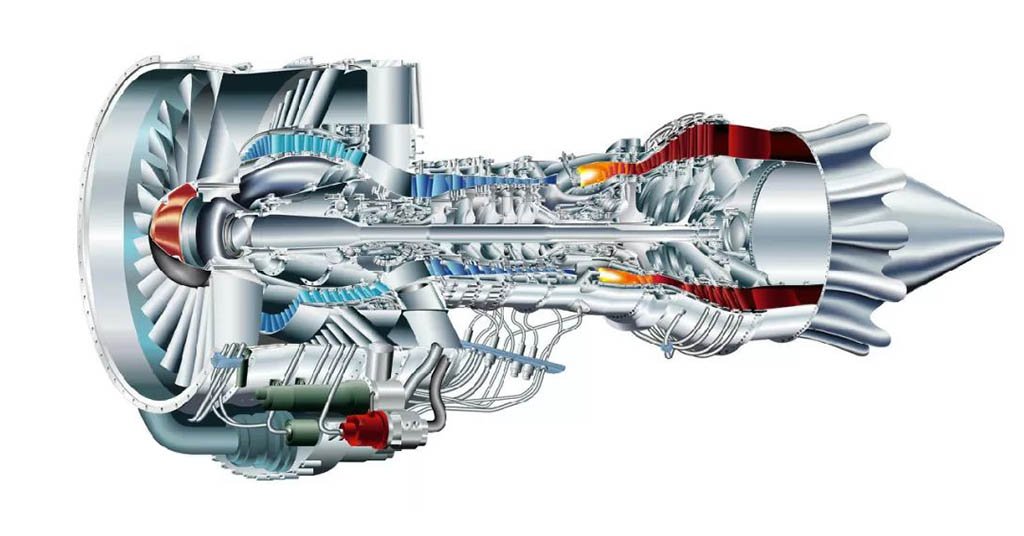
High-precision aerodynamic and combustion coupled simulation Due to the multiphase flow characteristics of fuel atomization, evaporation, mixing, and rapid chemical reactions inside the combustion chamber or afterburner, and the high-speed flow inside the compressor and turbine has high flow curvature, shock wave wake boundary layer interaction, and mixing of the sealing flow and the mainstream. […]
Full 3D numerical simulation technology accelerates aircraft engine development (1)
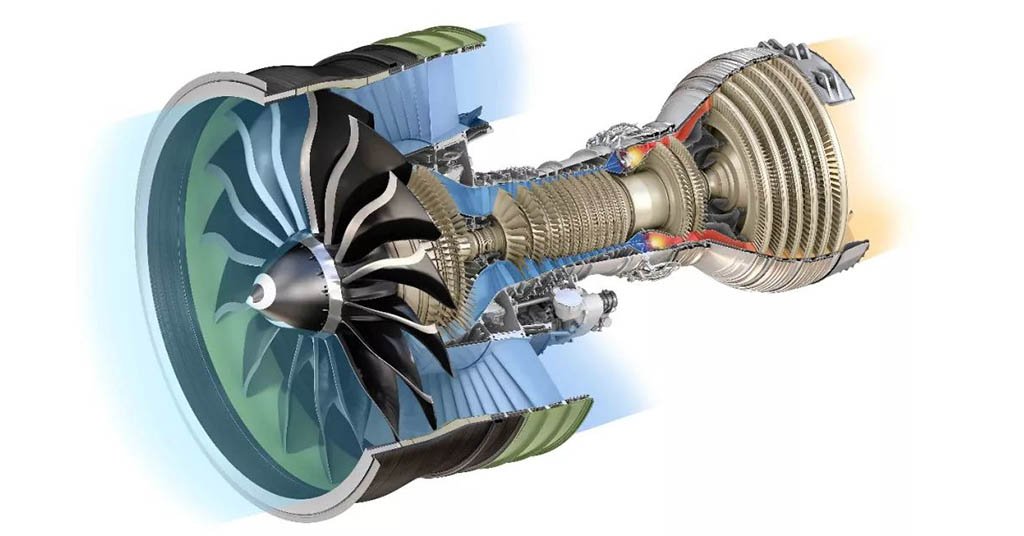
As a digital engine to accelerate the development of aircraft engines, the full three-dimensional simulation technology of the whole engine can realize high-precision and rapid prediction of the full three-dimensional performance of the whole engine in the virtual digital space, solve the problem of engine matching, shorten the R&D cycle, reduce development risks and costs, […]
Research progress and development trend of heavy-duty gas turbines and their thermal barrier coatings (3)
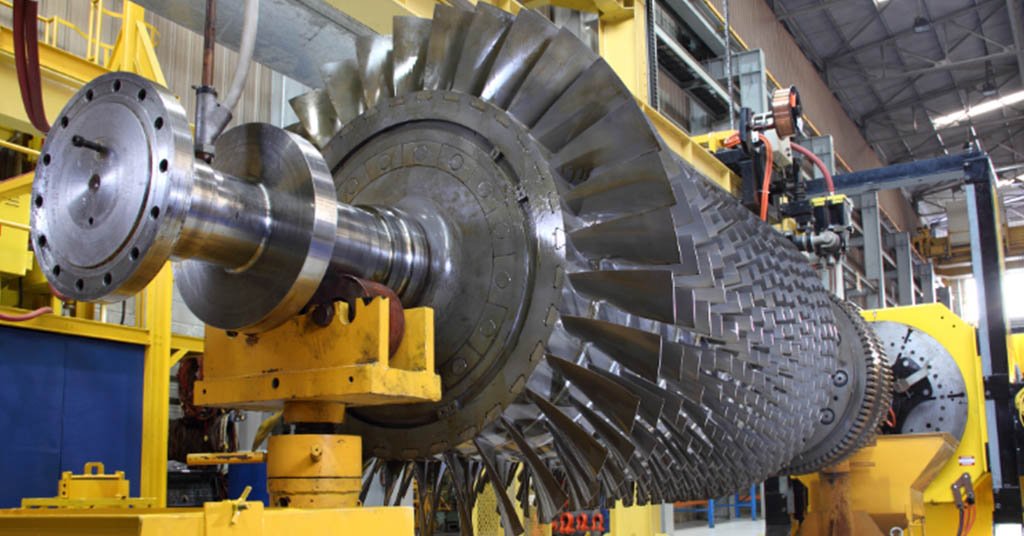
In the field of heavy industry, the more common heat-power conversion type power generation equipment – heavy gas turbine, due to the small footprint, short cycle, high efficiency, less pollution and other characteristics are widely used in power grid peak load, energy mining and transmission, ocean power generation, advanced ship power, aerospace and other fields, […]
Research progress and development trend of heavy-duty gas turbines and their thermal barrier coatings (2)
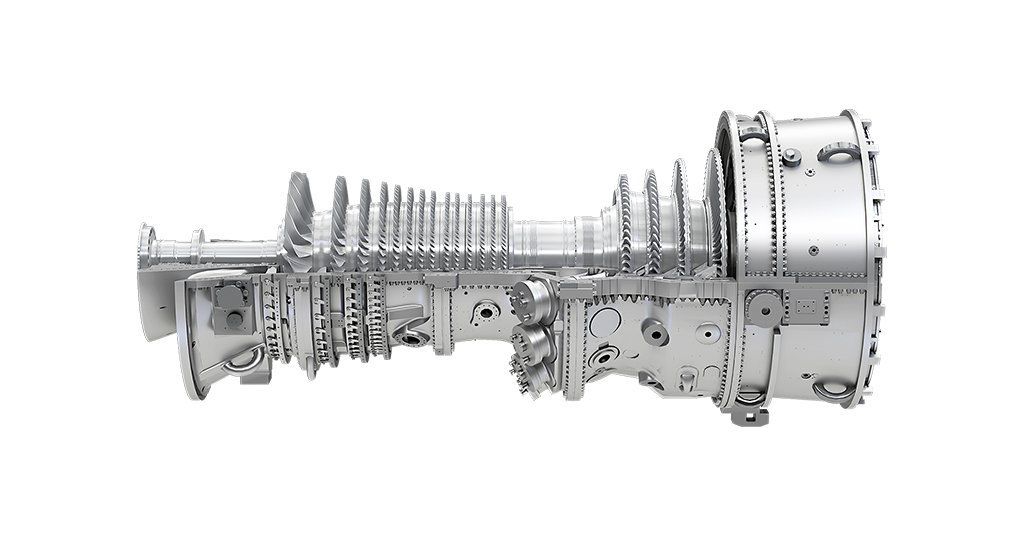
Thermal barrier coating Research background of thermal barrier coatings System structure of thermal barrier coating With the progress and development of science and technology, the inlet temperature of gas turbines is getting higher and higher. In order to achieve better thermal insulation effect of thermal barrier coating, most studies around the world focus on designing […]
Research progress and development trend of heavy-duty gas turbines and their thermal barrier coatings (1)
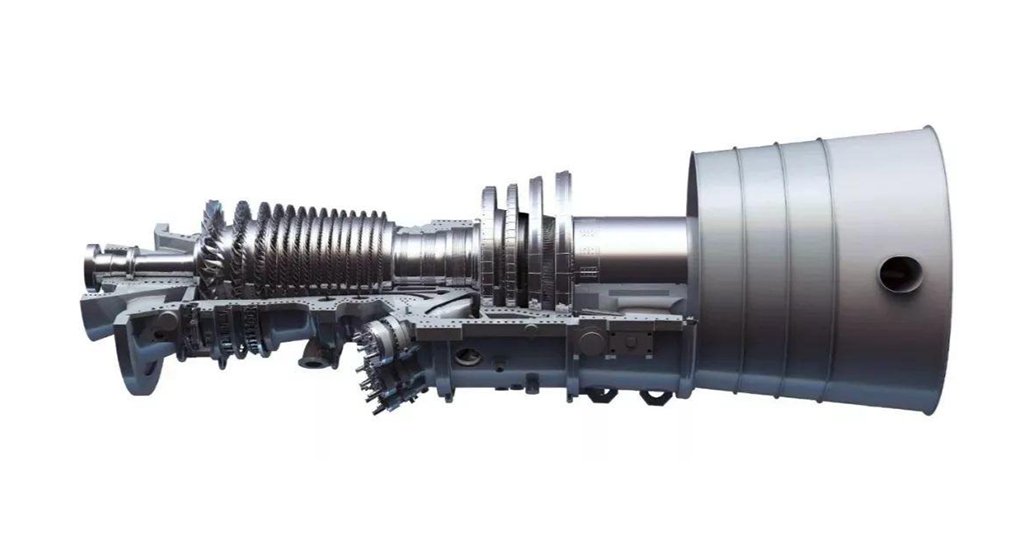
In the field of heavy industry, the more common heat-power conversion type power generation equipment – heavy gas turbine, due to the small footprint, short cycle, high efficiency, less pollution and other characteristics are widely used in power grid peak load, energy mining and transmission, ocean power generation, advanced ship power, aerospace and other fields, […]
New material – Maintenance of aero engine high pressure turbine blades
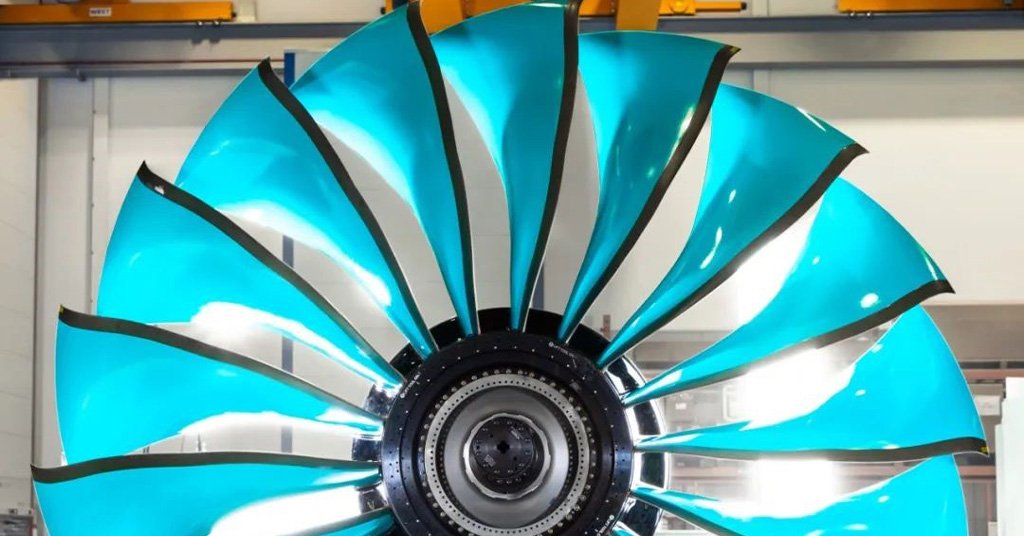
Aero engine is a high-tech product with high comprehensive technical difficulty, only a few countries in the world can independently develop, aero engine is linked to aerodynamic performance, combustion heat transfer, strength vibration, material technology, assembly and maintenance and other advanced technology bridge and link.Under this background, blade repair technology is particularly important. By using […]
Research on gas-thermal coupling analysis method of turbine blades based on parametric modeling
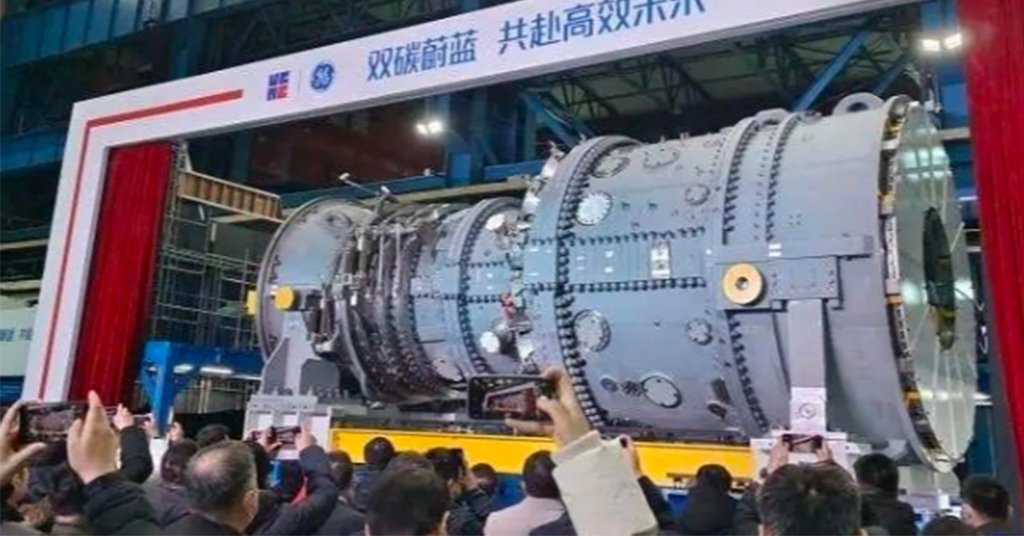
The appearance of air-cooled turbine makes the turbine front temperature of aero engine further increase, which promotes the rapid development of high performance aero engine. However, with the application of complex internal shock, enhanced heat transfer by turbulent flow, convection gas film, dense gas film spray and other cooling forms on turbine components, the interaction […]
The beauty of high temperature blade precision casting mold

In the grand picture of modern industry, gas turbine as the core of efficient energy conversion device, its complex structure not only shows the beauty of engineering technology, but also reflects the spirit of human pursuit of extreme performance. Behind all this, it is inseparable from the support of precision casting technology. Precision casting molds, […]
Directional solidification of single crystal blades under industrial conditions using the developed air-cooled casting method (2)

In order to better evaluate the directional solidification process, the dendrite microstructure was described by measuring the primary dendrite spacing (PDAS) in different regions on cross-section 4 and cross-section 9 of some blades [Figure 3(a) and (b)]. To do this, we use the relation PDAS =√(A/N), where A is the region being analyzed and N […]
 Turkish
  English
  Arabic
  Moroccan Arabic
  Dutch
Dutch  French
  German
  Italian
  Polish
  Portuguese
  Russian
  Spanish
  Azerbaijani
  Indonesian
  Thai
Thai  Japanese
  Korean
  Malay
Malay  Myanmar
  Serbian
  Swedish
  Vietnamese