
Advanced Turbomachinery Blade Design Methods
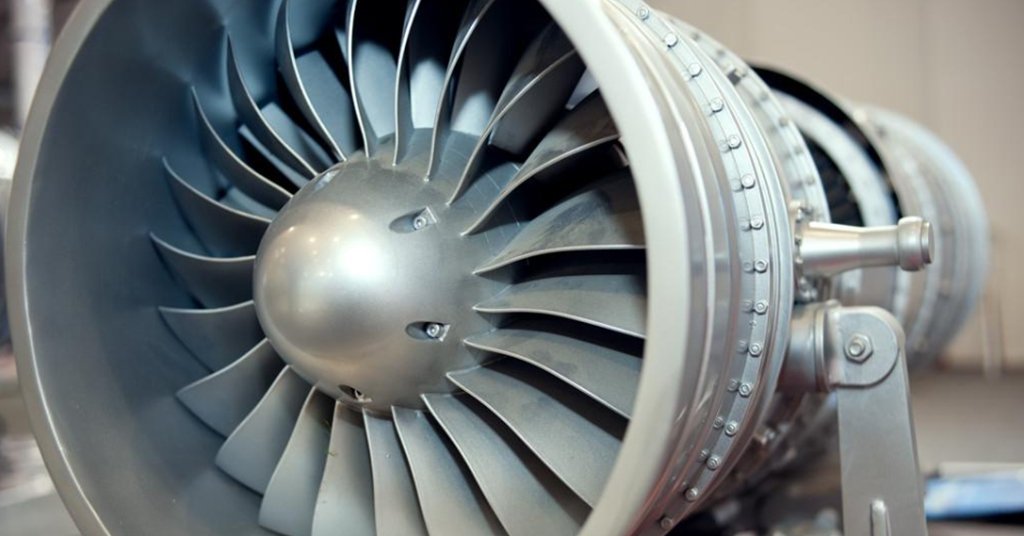
CAESES is a flexible and powerful platform for the design of turbomachinery blades, including advanced endwall optimization methods. All parameterized blade models can be closely linked to meshing and simulation tools to run automated CFD simulation analysis and optimization design. Application cases include turbochargers, steam turbines, fans and pumps – including axial flow, centrifugal or mixed flow. Internationally renowned companies such as Siemens, Toyota, MTU, KSB, Spencer Turbine and IHI are using CAESES to design turbomachinery components. Why CAESES? Blade design – efficient and flexible The blade model in CAESES can be created quickly manually or automatically. Create single blades or separate blade models, using existing templates or customizing them, […]
Optimization of gas turbine blade heat treatment: application of thermal diffusion technology and high temperature shielding mud
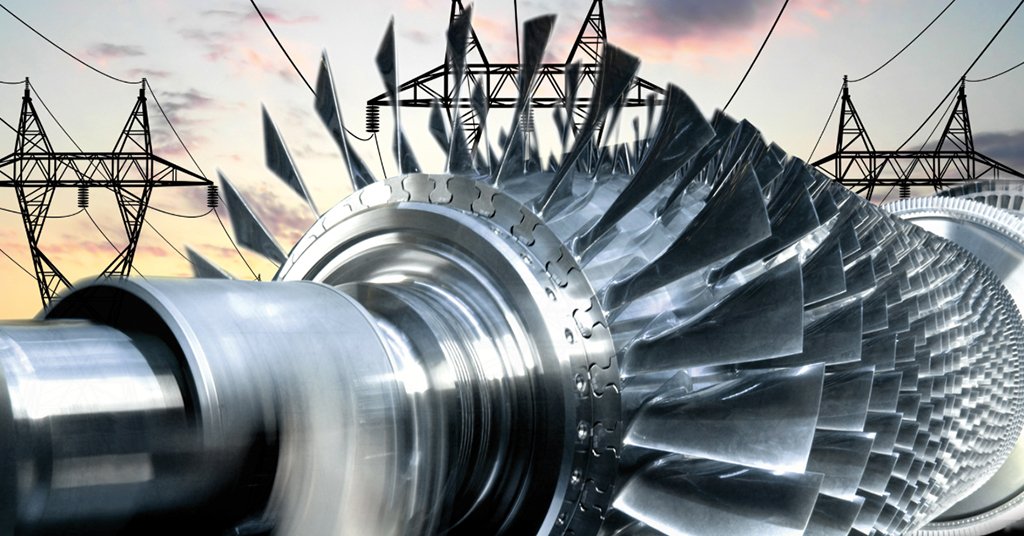
As a modern key power mechanical equipment, gas turbine efficiency improvement is crucial to energy utilization and industrial development. In order to enhance the performance of gas turbines, researchers have taken various measures in the design and material selection of turbine blades. By optimizing blade design, selecting new high-temperature resistant materials, and coating the blade surface with high-temperature protective coatings (such as NiCoCrAlY coating), the working efficiency of gas turbines can be significantly improved. These coatings are favored by materials scientists because they are easy to implement, simple in principle, and effective. However, gas turbine blades that operate for a long time in high-temperature environments face the problem of interdiffusion […]
Turbine: Research progress on cooling structure of air-cooled turbine blades for aircraft engines
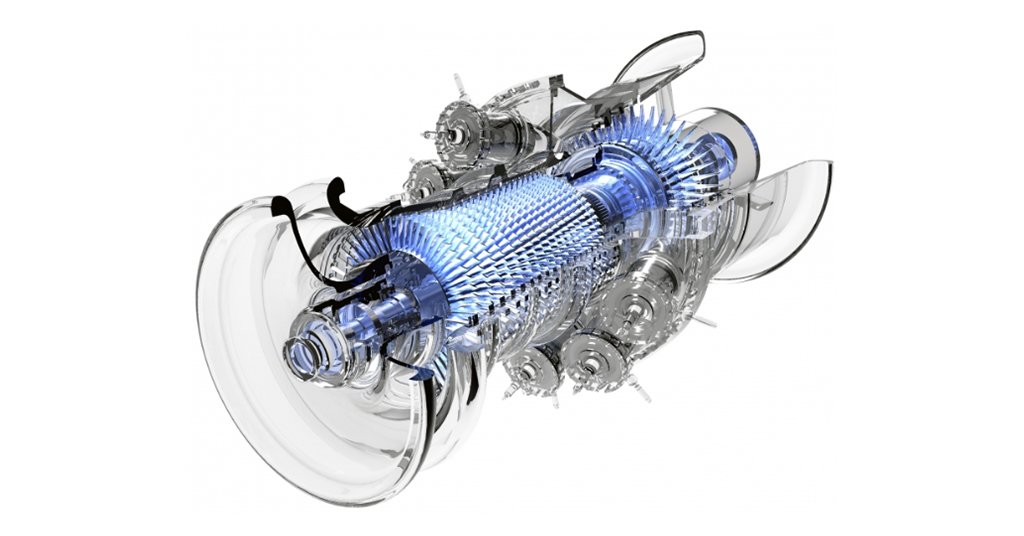
An efficient cooling structure is the key to avoiding thermal damage to air-cooled turbine blades, which directly affects blade cooling efficiency and aircraft engine stability. However, the efficient cooling structure leads to a more complex coherent effect between the mainstream and cold air flow, and the development of efficient cooling structures has always been constrained by processing technology. This article divides turbine blades into leading edge, middle chord, and trailing edge regions from the perspective of controlling cold air flow. It focuses on the research progress of cooling structures for air-cooled turbine blades in the past decade and the aerodynamic heat transfer characteristics under turbine rotation, including vortex impingement cooling, […]
Recent Progress in Reliability Analysis of Aeroengine Rotor Systems

As a key rotating component of an aero-engine, the rotor system works in a harsh environment of high temperature, high pressure and high speed for a long time, and needs to meet a series of demanding and contradictory indicators such as long life, light weight and high reliability. Under the influence of multiple random factors such as multi-field loads, material properties and model parameters, the stress-strain and fatigue life responses of the rotor system often show large dispersion. Its refined failure assessment and reliability analysis have become key technologies in the development of advanced aero-engines. This paper first discusses the current commonly used reliability analysis methods and their modeling ideas, […]
“Ceramic Core” in Casting Technology for Hollow Turbine Blades
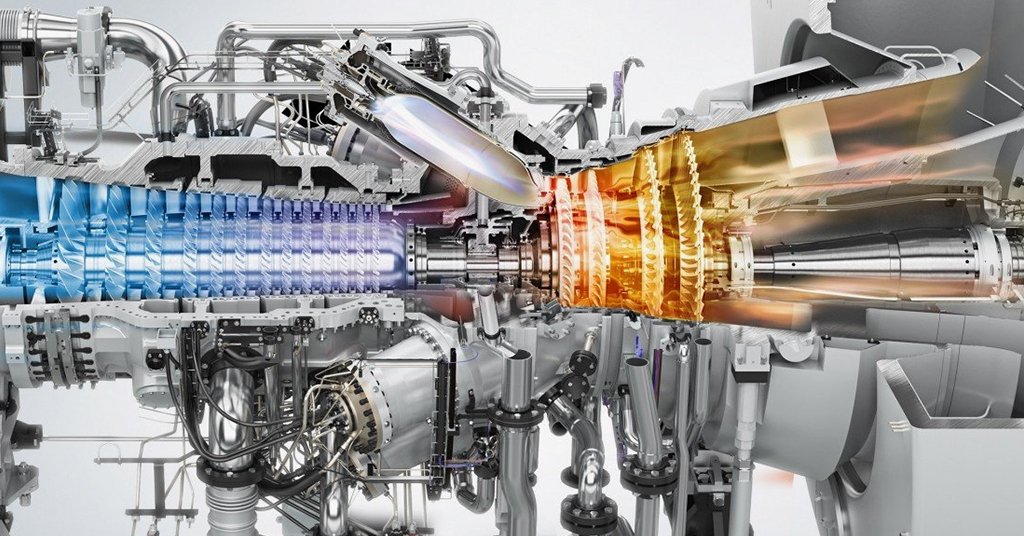
If the aviation engine and ground gas turbine are the “crown jewels” of modern industry, then turbine blades are the “jewels in the crown”. Turbine engines generate thrust by impacting turbine blades with high-temperature gas, driving the rotor at high speed. Among them, the ability of turbine blades to withstand high temperatures has a very large impact on the performance of the entire engine, because the higher the temperature that turbine blades can withstand, the greater the energy that can be obtained from doing work. Research shows that if the temperature at the front end of the turbine is raised by 100℃, the engine’s thrust can be increased by 10%. […]
Development of Aero-Derivative Gas Turbines Technology
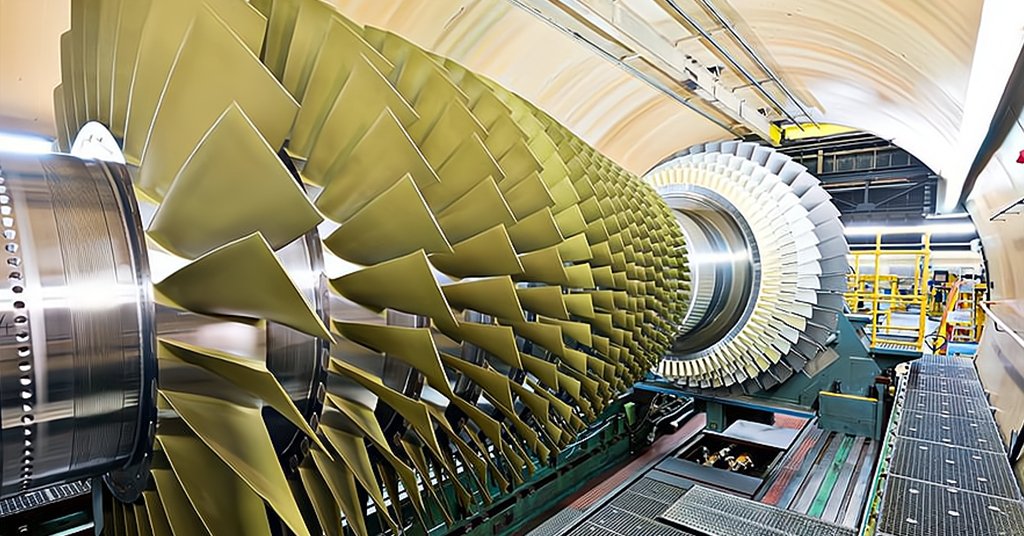
Affected by political, military and economic factors, the development of aircraft engine technology is faster than that of gas turbines. Gas turbines and aircraft engines have a wide range of technical commonalities, and can be shared in design systems, manufacturing systems, talent systems and test systems. Therefore, based on the huge market demand and obvious application advantages of gas turbines, it has become an industry consensus to develop gas turbines based on high-performance, mature aircraft engines and advanced industrial technologies and design methods. There are two ways to transfer aircraft engine technology to gas turbines, as shown in Figure 1: one is to directly modify and derive mature aircraft engines […]
BLAZE Knowledge Classroom:Gas Turbine
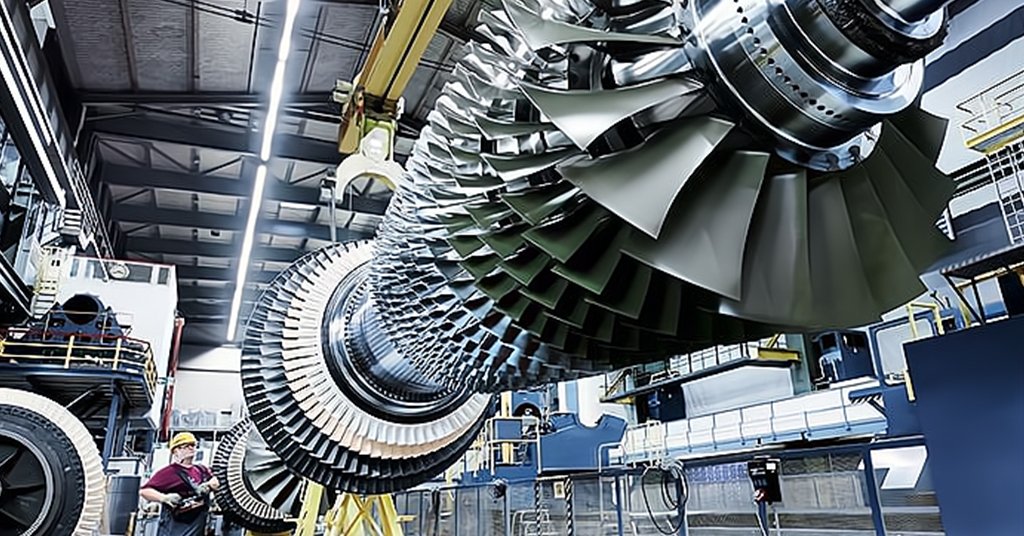
Basic Concepts According to the “Gas Turbine Vocabulary” (GB/T 15135-2018), a gas turbine refers to a continuous-flow rotating machine (single machine) that converts thermal energy into mechanical work, including a compressor, equipment for heating the working fluid (such as a combustion chamber), a turbine, a control system and auxiliary equipment. Industrial gas turbine engines, generally referred to as gas turbines or turbines, industrial gas engines, are essentially the same thing as aviation turbine gas engines (referred to as aviation engines), but the application scenarios are slightly different. They compress high-pressure gas into a combustion chamber, and through the reaction of chemical energy, convert the chemical energy into mechanical work through […]
Thermal Corrosion Fatigue Performance and Life Prediction Method for Hot End Components of Carrier based Aircraft Engines
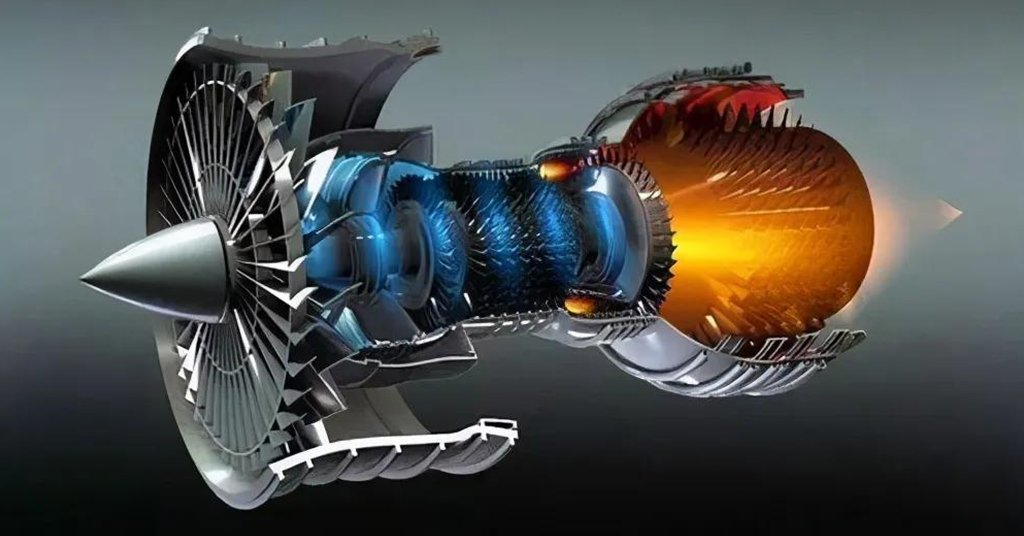
The influence of hot corrosion on the fatigue performance of hot end component materials Hot corrosion fatigue performance of high-temperature alloys for turbine blades Many scholars have explored and studied the effect of hot corrosion on the fatigue performance of high-temperature alloys for turbine blades under different conditions. The main method is to pre treat the high-temperature alloy with hot corrosion and then conduct fatigue tests. In most cases, corrosion pit propagation and crack initiation account for the majority of the hot corrosion fatigue life [51]. The fatigue cracks of un corroded specimens often originate from defects near the surface/subsurface of the alloy and propagate inward. The cracks caused by […]
Thermal Corrosion Fatigue Performance and Life Prediction Method for Hot End Components of Carrier based Aircraft Engines (2)

Hot Corrosion Mechanism of Turbine Disk High Temperature Alloy The high-temperature alloys used for aircraft engine turbine disks are deformable high-temperature alloys (such as Inconel 718, GH4169, etc.) and powder high-temperature alloys (such as RR1000, ME3, FGH96, etc.). The service temperature of deformed high-temperature alloy turbine discs is usually not higher than 650 ℃, while the service temperature of powder high-temperature alloy turbine discs is usually not higher than 750 ℃. The thermal corrosion that occurs under the coupling of marine environment and working conditions is mainly low-temperature thermal corrosion. At present, domestic and foreign scholars mainly study the hot corrosion mechanism of turbine disk alloys by hot corrosion of […]
 Japanese
  English
  Arabic
  Moroccan Arabic
  Dutch
Dutch  French
  German
  Italian
  Polish
  Portuguese
  Russian
  Spanish
  Turkish
  Azerbaijani
  Indonesian
  Thai
Thai  Korean
  Malay
Malay  Myanmar
  Serbian
  Swedish
  Vietnamese