Complex-part CNC machining

Turbine Wheel & Nozzle Ring CNC Machining

High-precision superalloy machining for difficult turbine components. We manufacture from customer drawings or reproduce parts from supplied samples—including used components—through a controlled reverse-engineering route.

5-AxisComplex geometry access
Ø30–2500 mmMachining range
≤0.002 mmGeometric accuracy
≥90%Tooth contact area
Our core advantage

Superalloy Precision Machining, Starting Your Way

Whether the project begins with complete engineering data or only a physical component, we establish a practical manufacturing baseline before production.

01 / DRAWING-BASED

Build to Your Drawing

Provide a 2D drawing, 3D model, material specification and inspection requirements. We review critical datums, tolerances and difficult features before confirming the machining route.

Best for: new designs, controlled revisions and repeat production.
02 / SAMPLE-BASED

Reverse Production from a Sample

Send us an original sample—even a used component. We can assess the available geometry, reconstruct manufacturing data and develop a reproduction route for confirmation.

Used parts accepted: wear, deformation and service damage are evaluated before the reproduction baseline is agreed.
Critical geometries

Built for the Parts Other Shops Avoid

These components combine difficult alloys, interrupted cutting, thin aerodynamic features and highly dependent datums. Our process planning begins with the drawing and the functional relationship between every critical feature.

01 / ROTATING

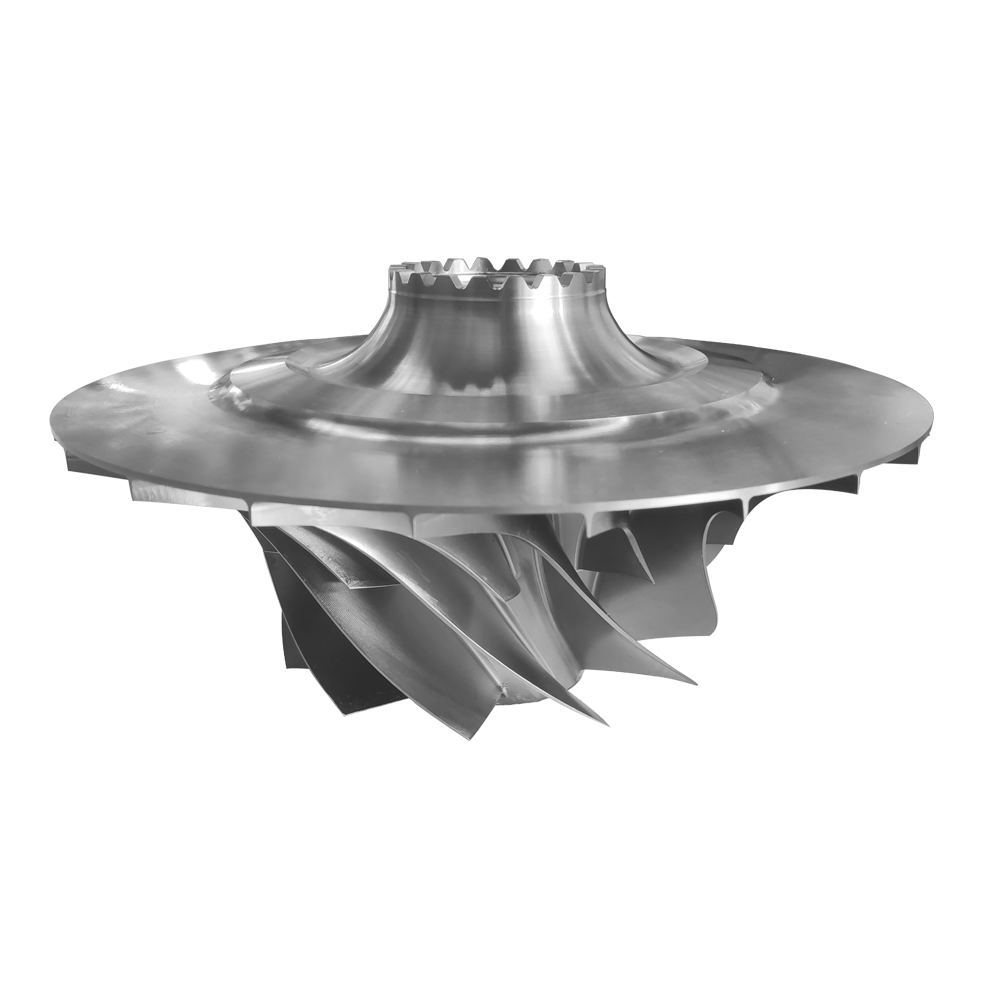
Turbine Wheel Machining

Multi-axis machining for integrated or assembled wheel geometries, controlling heat, tool deflection and blade-to-blade consistency.

  • Twisted blade access
  • Hub and bore alignment
  • Profile and runout control
02 / STATIONARY

Nozzle Ring Machining

Datum-led machining for nozzle ring segments and assemblies, focused on flow-path geometry and repeatable throat-area features.

  • Vane profile consistency
  • Thin-wall burr control
  • Mounting datum correlation
03 / COUPLING

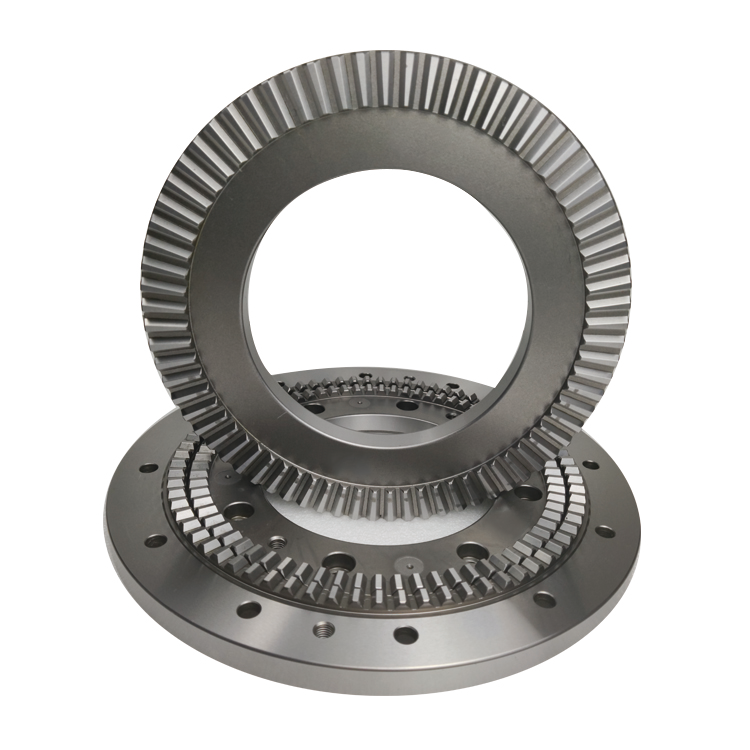
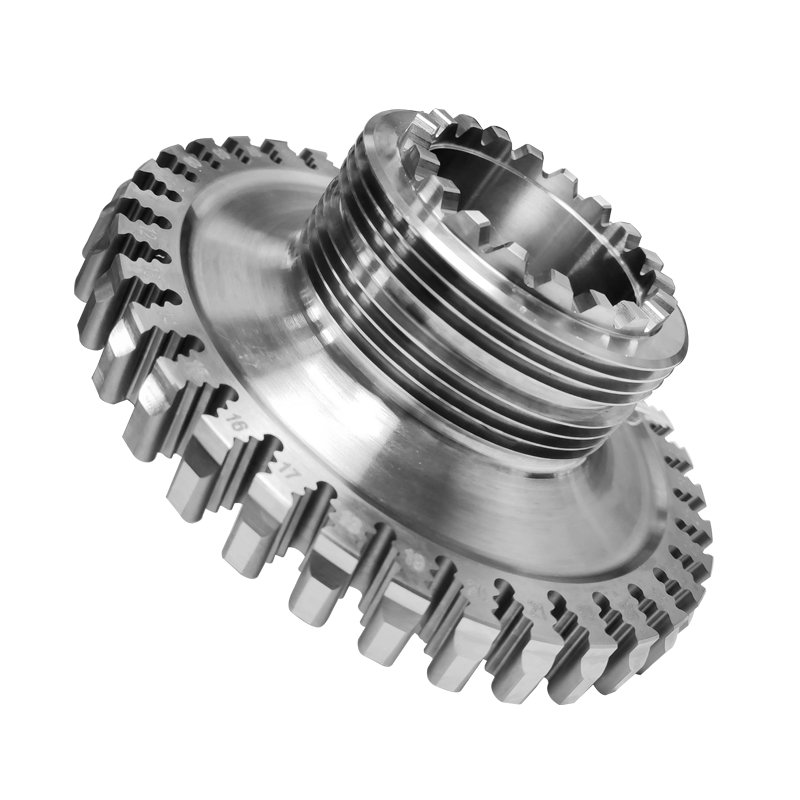
Hirth & Curvic End Teeth

Precision indexing and tooth-form machining for rotor discs and couplings where torque transfer and concentric assembly are critical.

  • Pitch and flank geometry
  • Contact-pattern verification
  • Face runout and indexing
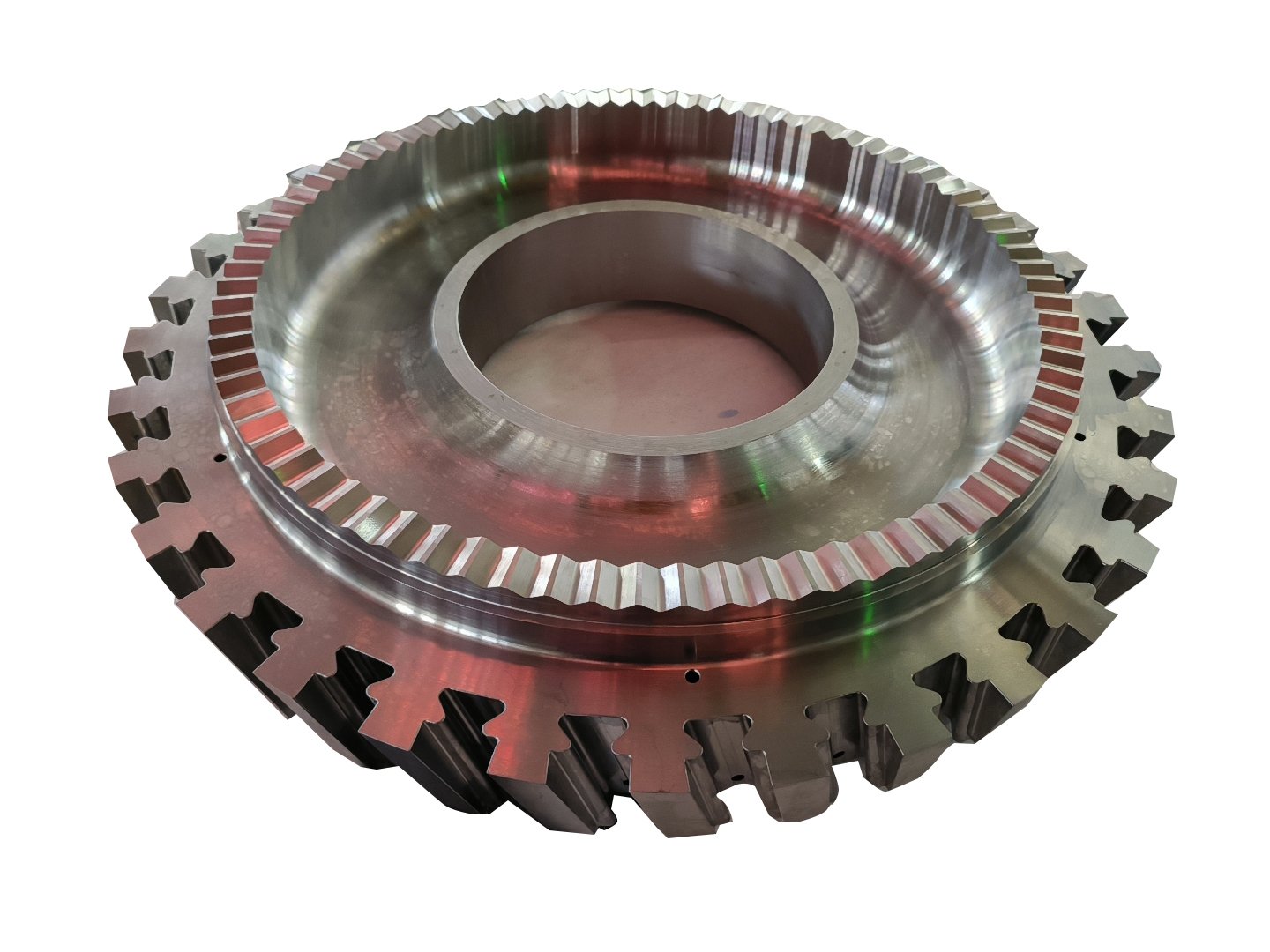
Gas turbine rotor end teeth CNC machining
End-tooth specialization

Accuracy That Must Close as an Assembly

End teeth are not isolated features. Tooth angle, spacing, flank form and axial location influence rotor stack concentricity and load transfer. We plan the machining and inspection sequence around the functional datum system—not simply the easiest setup.

Hirth coupling teeth
Curvic coupling teeth
Drive end teeth
Rotor disc indexing
Discuss Your Drawing
Machining envelope

Large-Scale Precision Capability

Capability values below are reference limits. Final feasibility and achievable tolerance depend on material, geometry, feature size, datum scheme and inspection access.

Ø3400 mmMaximum end-teeth diameter
6000 mmMaximum machining length
2500 mmVertical grinding swing
1200 mmContour grinding swing
±1 arc-secRepeat positioning accuracy
±2 arc-secIndexing accuracy
≥90%Tooth contact area
100%Tooth contact ratio target

All values are subject to drawing, material and feature-size review before quotation.

Controlled workflow

From Drawing Review to Verified Geometry

Process decisions are documented around critical features, stable setups and inspection feedback.

01

Technical Review

Drawing, material, datum, tolerance and quantity assessment.

02

Process Planning

Fixture, toolpath, stock and distortion-control strategy.

03

Rough Machining

Stable material removal with controlled residual stock.

04

Finish & Teeth

Multi-axis finishing, indexing and tooth-form operations.

05

Inspection

Critical geometry, runout and contact-pattern verification.

Difficult materials

Machining Strategy Starts with the Alloy

Nickel superalloys, titanium alloys and high-strength steels demand different cutting data, tooling and thermal strategies. We review the supplied material specification and component condition before confirming the route.

Nickel SuperalloysTitanium AlloysHeat-Resistant SteelsCustomer-Specified Alloys

Material availability and manufacturability are confirmed per project; alloy names and heat-treatment conditions should be included with the RFQ.

Hirth and Curvic coupling teeth machining detail

Have a difficult turbine component?

Send the drawing, material specification, annual quantity and inspection requirements. Our engineering team will review the critical features before quotation.

Start an RFQ
Machining examples

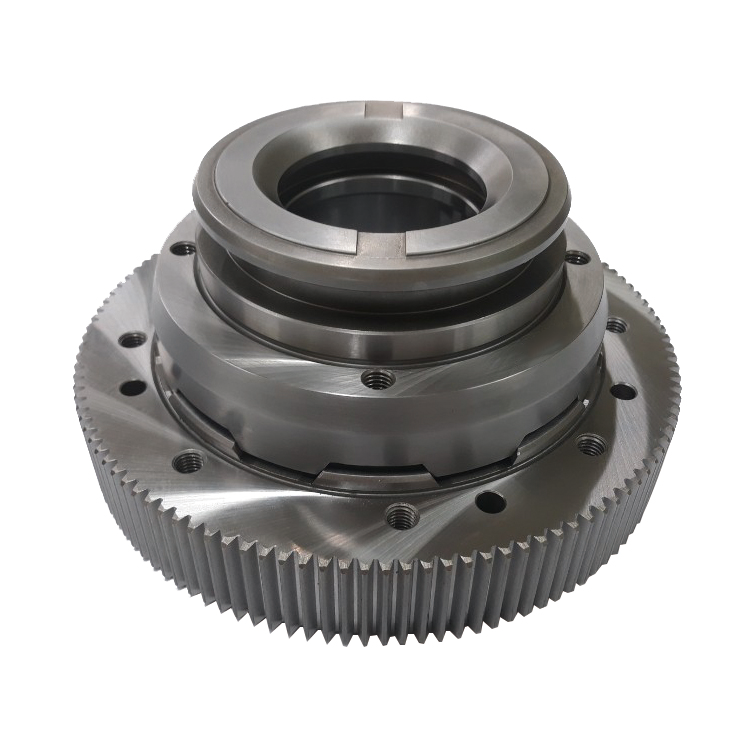
Rotor & End-Tooth Components

Representative machining samples from the supplied project archive.

FAQ

Turbine Component Machining Questions

What information is required for a quotation?

Please provide a 2D drawing and, when available, a 3D model, material specification, heat-treatment condition, quantity, critical characteristics and inspection requirements.

Can you machine both Hirth and Curvic coupling teeth?

Yes. Feasibility is reviewed against tooth form, diameter, indexing, datum structure, material and required contact pattern before the process is confirmed.

How are difficult nozzle ring features controlled?

The process focuses on vane profile, throat-area consistency, thin-wall stability, burr control and the relationship between flow-path and mounting datums.

Can you work with customer-supplied material?

Customer-supplied material can be reviewed. The certificate, specification, condition and available machining allowance should accompany the RFQ.

Can you reproduce a part when no drawing is available?

Yes. A customer-supplied sample, including a used component, can be assessed for reverse production. Wear, deformation and damaged areas are reviewed first, and the reconstructed geometry and acceptance baseline are confirmed before manufacturing.

Request a manufacturability review

Let us evaluate your turbine wheel, nozzle ring or end-tooth component before you commit to production.

Upload Your Drawing
viVietnamese

Request a Free Quote

Part numbers alone are not sufficient to ensure performance.

To guarantee precision and compatibility, please provide:

Drawings or used samples for reverse engineering.