
Welding repair and remanufacturing technology for aircraft engine turbine blades and fan/compressor blades

Aircraft engine blades are in a complex and harsh working environment for a long time, and are prone to various types of damage defects. It is expensive to replace blades, and research on blade repair and remanufacturing technology has huge economic benefits. Aircraft engine blades are mainly divided into two categories: turbine blades and fan/compressor blades. Turbine blades usually use nickel-based high-temperature alloys, while fan/compressor blades mainly use titanium alloys, and some use nickel-based high-temperature alloys. The differences in materials and working environments of turbine blades and fan/compressor blades result in different common types of damage, resulting in different repair methods and performance indicators that need to be achieved after […]
Precision machining technology and equipment for thin-walled, special-shaped and complex blades of aircraft engines

As a key component to achieve the performance of aero-engines, blades have typical characteristics such as thin-walled, special-shaped, complex structures, difficult materials to process, and high requirements for processing accuracy and surface quality. How to achieve precise and efficient processing of blades is a major challenge in the current aero-engine manufacturing field. Through the analysis of the key factors affecting blade processing accuracy, the current status of research on blade precision processing technology and equipment is comprehensively summarized, and the development trend of aero-engine blade processing technology is prospected. In the aerospace industry, lightweight, high-strength thin-walled parts are widely used and are key components for achieving the performance of important […]
Study on Combustion and Emission Characteristics of Rich Hydrogen Gas in Gas Turbine Model Combustion Chamber (1)
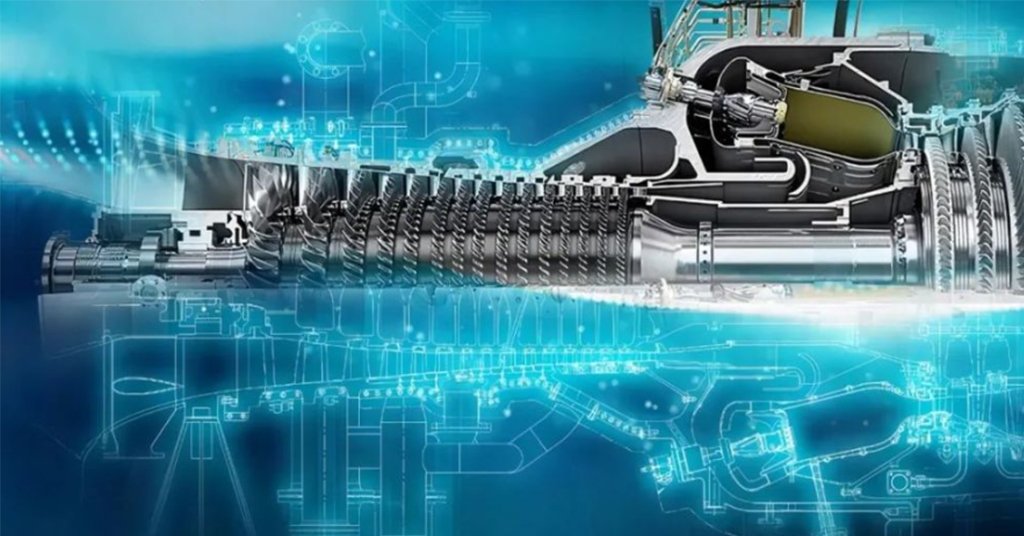
Replacing fossil fuels with renewable energy sources such as hydrogen can significantly reduce carbon emissions. In the field of gas turbines, domestic and foreign manufacturers have focused on laying out hydrogen gas turbines. At present, there are significant technical challenges for pure hydrogen gas turbines [1], and hydrogen blending gas turbines are the key development direction at present and for a period of time. Domestic and foreign scholars have conducted research on the basic combustion characteristics, turbulent combustion characteristics, and gas turbine combustion characteristics of mixed fuels (known as “hydrogen rich gas”) mixed with hydrogen in methane. In terms of basic combustion characteristics, Zhang et al. [2] studied the ignition […]
Load characteristics and calculation status of compressor and turbine disks of aircraft engines
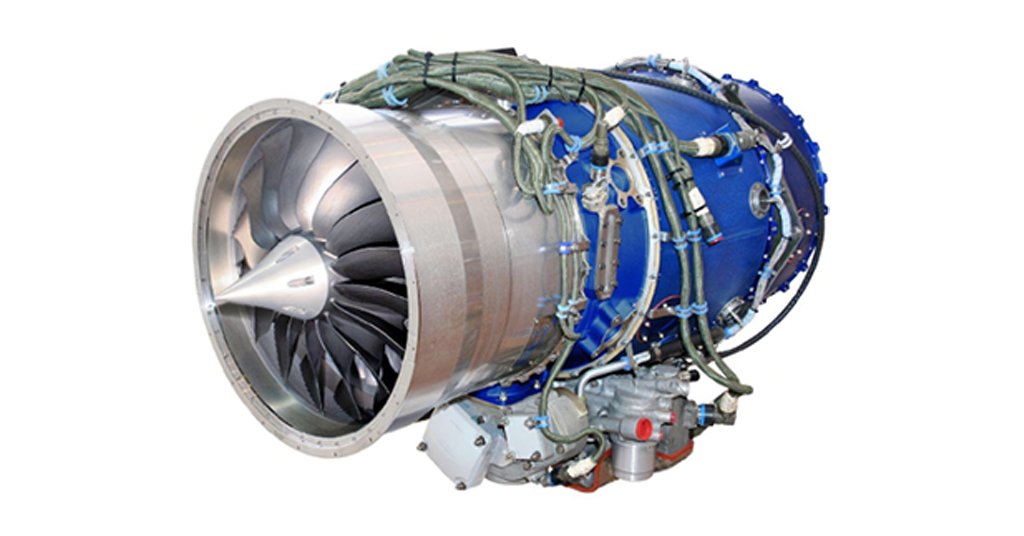
Although there are differences in the functions and structures of compressor and turbine rotors, in terms of strength, the working conditions of the wheels of the two are roughly the same. However, the turbine disk is at a higher temperature, which means that the working environment of the turbine disk is more harsh. The loads borne by the compressor disc or turbine disc of an aircraft engine are as follows: Mass Centrifugal Force The impeller must withstand the centrifugal force of the blades and impeller itself caused by the rotation of the rotor. The following speed conditions should be considered in strength calculation: The blades, locks, baffles, bolts, nuts and […]
Research progress on aerodynamic performance of aircraft engine combustion chamber based on large eddy simulation
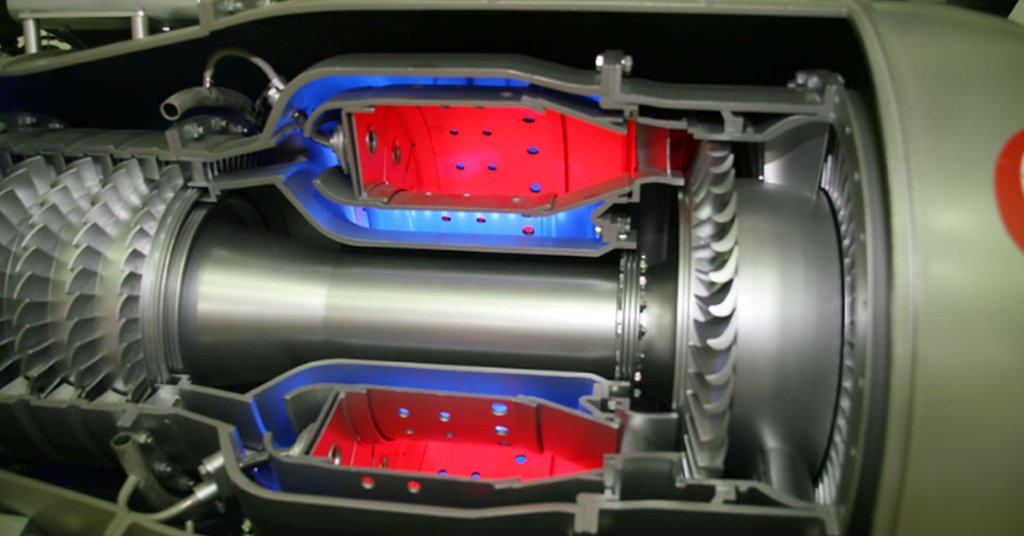
The combustion chamber is one of the core components of an aircraft engine, and the aerodynamic performance of the combustion chamber plays a vital role in the performance of the entire engine. In order to meet the increasingly stringent technical requirements of the engine for the combustion chamber, the combustion organization mode and flow characteristics inside the combustion chamber have become very complex. The deceleration and pressurization process of the diffuser may face flow separation under a strong adverse pressure gradient; the airflow passes through a multi-stage swirl device to form a large-scale vortex structure, which on the one hand promotes the atomization and evaporation of the liquid fuel and […]
Single crystal turbine blades: a technological breakthrough that breaks through high temperature limits (3)
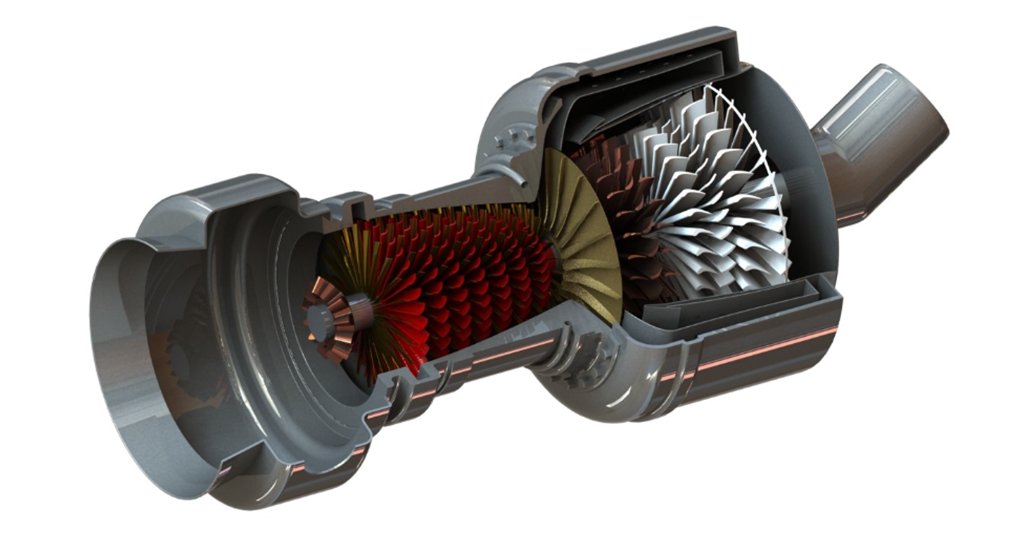
4 Defect formation in DS process As the structure of advanced turbine blades becomes more complex and larger in size, a variety of solidification defects such as stray grains, freckles, low-angle grain boundaries, streaky crystals, orientation deviation, recrystallization, high-angle grain boundaries, and crystal selection failure are more likely to occur during the single crystal growth process. Casting turbine blades in the form of single crystals is a considerable challenge for foundries. The problems existing in single crystal turbine blades are mainly concentrated in the growth process, which is closely related to the structure and growth process of single crystal turbine blades. First, the turbine blade body is thin, the tenon […]
Single crystal turbine blades: a technological breakthrough that breaks through high temperature limits (2)
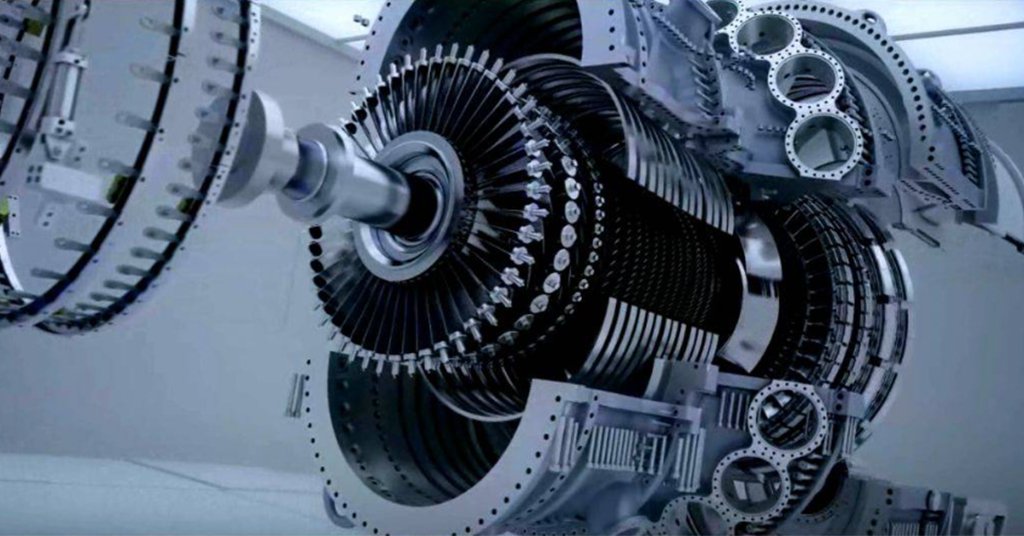
2 Turbine blade development Iterative Development Taking a turbofan engine as an example, the value of the blades accounts for as much as 35%, and they are a critical component in the manufacture of aircraft engines. In an engine, there are 3,000 to 4,000 aviation blades, which can be divided into three categories: fan blades, compressor blades, and turbine blades. The value of turbine blades is the highest, reaching 63%. At the same time, they are also the blades with the highest manufacturing difficulty and manufacturing cost in turbofan engines [2]. In the 1970s, the United States was the first to use PWA1422 directional solidification blades in military and […]
Single crystal turbine blades: a technological breakthrough that breaks through high temperature limits (1)
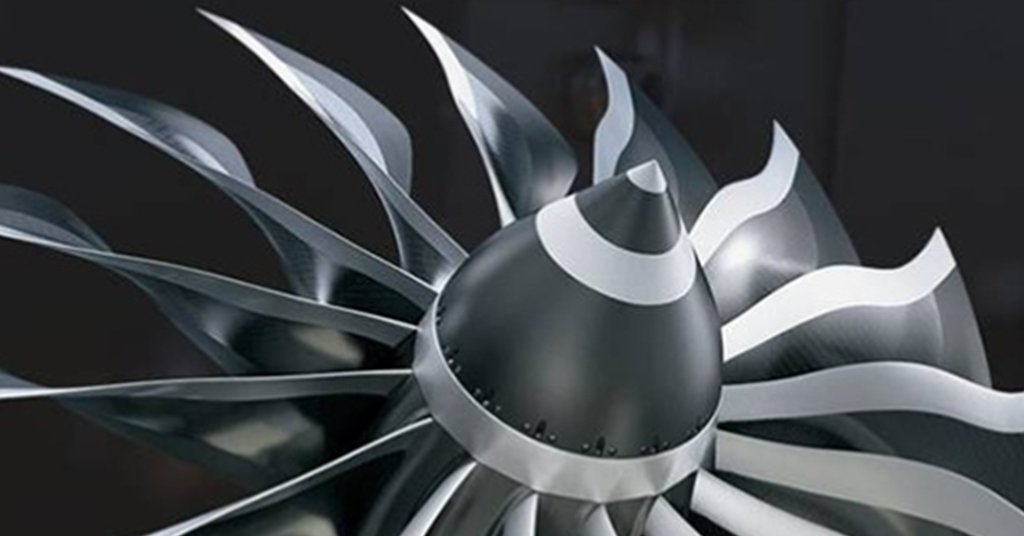
1 Development of aviation gas turbine engines As the performance requirements for aircraft for transportation, military, production and other purposes increased, the earliest piston engines could no longer meet the needs of high-speed flight. Therefore, since the 1950s, gas turbine engines have gradually become mainstream. In 1928, Sir Frank Whittle of the United Kingdom pointed out in his graduation thesis “Future Development in Aircraft Design” while studying at the military academy that under the technical knowledge at that time, the future development of propeller engines could not adapt to the needs of high altitude or flight speeds exceeding 800km/h. He first proposed the concept of what is now called a […]
How are aircraft engine high-pressure turbine rotor blades manufactured?
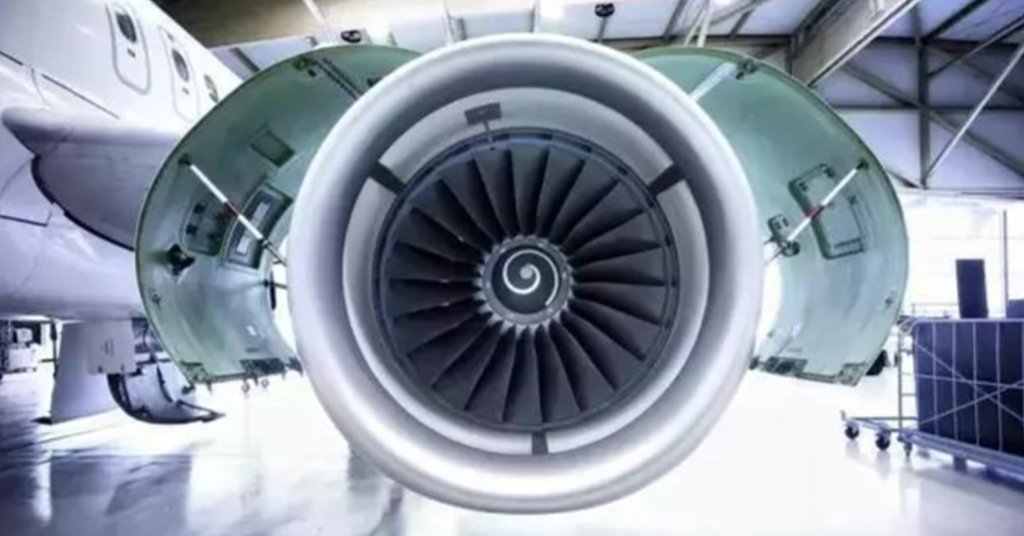
The principle of how aircraft engine high-pressure turbine rotor blades are manufactured is very simple, but the various parameters in this process require a lot of experiments to obtain the parameters of each node, the composition of auxiliary materials, and a lot of luck. First, the high-pressure turbine rotor blades require complex internal cooling air ducts (see the figure below). First, the internal cooling air ducts are made (excluding cooling air holes, which will be discussed later). The wax mold is then cast with a special ceramic to form the air ducts. After having this ceramic airway mold, put it together with the blade outer mold and put it into […]
 Japanese
  English
  Arabic
  Moroccan Arabic
  Dutch
Dutch  French
  German
  Italian
  Polish
  Portuguese
  Russian
  Spanish
  Turkish
  Azerbaijani
  Indonesian
  Thai
Thai  Korean
  Malay
Malay  Myanmar
  Serbian
  Swedish
  Vietnamese