
100 questions to help you understand gas turbines from all angles
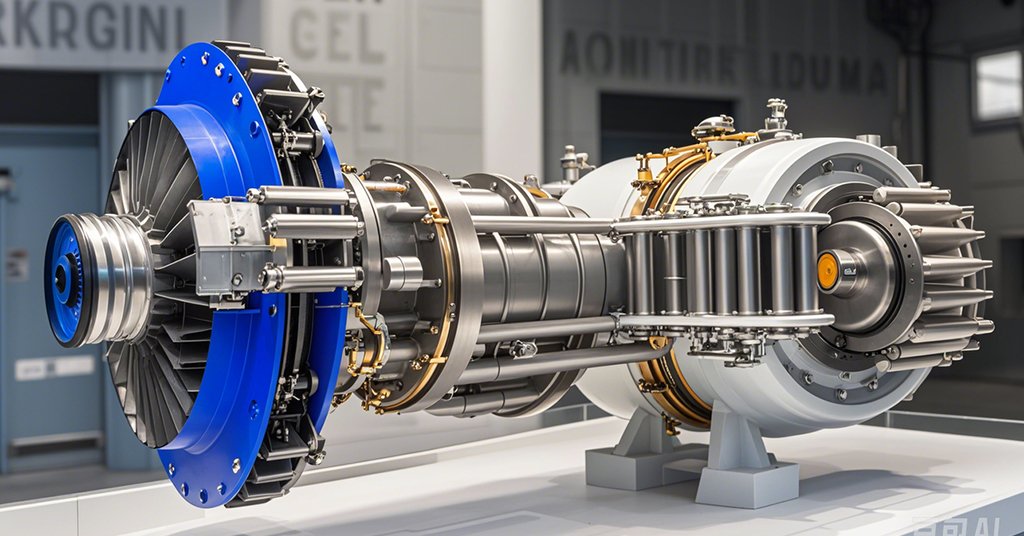
What is a gas turbine? Answer: A gas turbine is an internal combustion power machine that uses a continuously flowing gas as a working fluid to drive the impeller to rotate at high speed, converting the energy of the fuel into useful work. It is a rotating impeller heat engine. What thermodynamic processes are included in the ideal simple cycle of gas turbine (Braton cycle)? Answer: The Brayton cycle includes four processes: What is a simple cycle? What is a combined cycle? Answer: A simple cycle is a thermodynamic cycle that utilizes the processes of compression, combustion, and expansion. A combined cycle is a thermodynamic cycle that combines a gas turbine with […]
Why do aircraft engines use integral blades?

01 Advantages of the integral blade Before the emergence of the integral blade disk, the rotor blades of the engine needed to be connected to the wheel disk through tenons, mortise and tenon grooves and locking devices, but this structure gradually failed to meet the needs of high-performance aircraft engines. The integral blade disk that integrates the engine rotor blades and the wheel disk was designed, and has now become a must-have structure for high thrust-to-weight ratio engines. It has been widely used in military and civil aircraft engines and has the following advantages. Weight loss Since there is no need to machine the tongue and groove for installing the […]
Advanced Blade Manufacturing Technology for High-Performance Applications
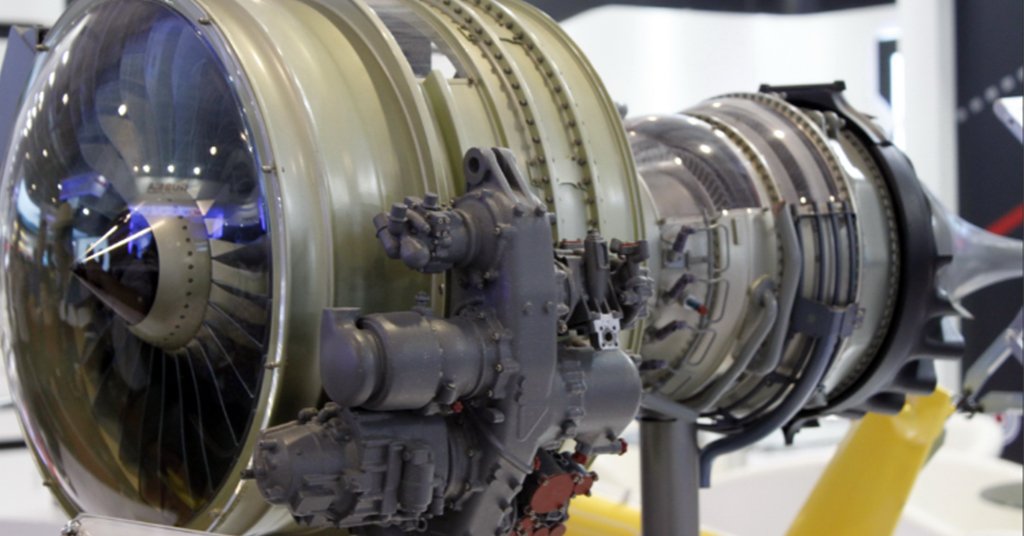
Blade manufacturing technology The manufacturing process of large directional crystallization blades for heavy-duty gas turbines includes the manufacturing of complex large-size ceramic cores and ceramic shells, parameter control during directional solidification, heat treatment and processing of blades, and preparation of long-life protective coatings. Among them, directional solidification technology is one of the key manufacturing technologies for large directional crystallization blades. Figure 11 is a schematic diagram of the relationship between blade size and casting defects in directional solidification [11, 39]. In the directional solidification of the HRS process, as the blade size increases, the temperature gradient at the solid-liquid interface front continues to decrease. In order to maintain a stable […]
Materials and manufacturing technology for directional turbine blades of heavy-duty gas turbines
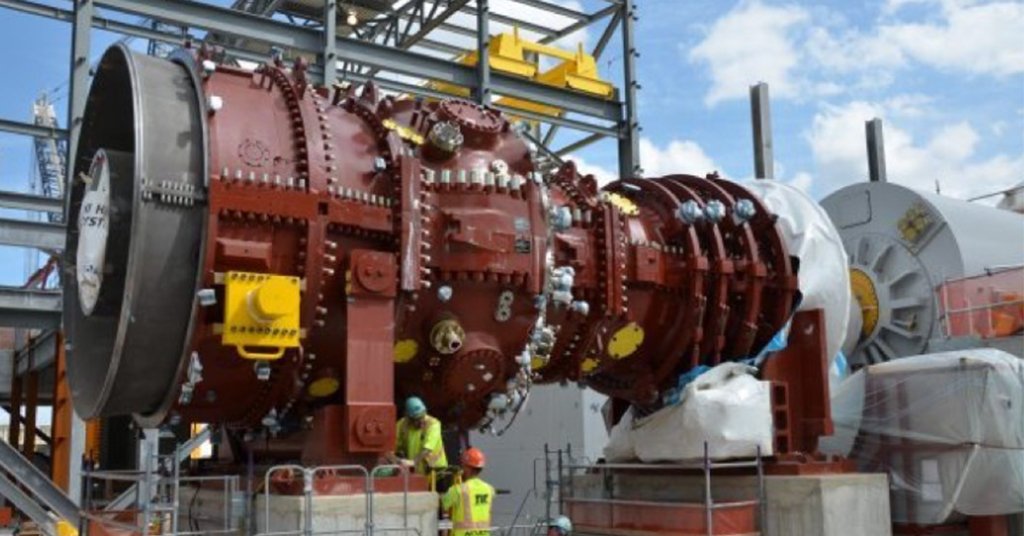
Heavy-duty gas turbines are key equipment in my country’s energy development strategy. Turbine blades working in high temperature and hot corrosion environments are the core hot end components of heavy-duty gas turbines. Compared with aircraft engine blades, advanced heavy-duty gas turbine turbine blades work for a long time in high temperature and hot corrosion environments, and the blades are larger in size. Therefore, special requirements are put forward for the high-temperature alloy materials used in the blades and their manufacturing processes. The hot corrosion resistant high-temperature alloy materials used for gas turbine blades have experienced a development process from polycrystalline to directional and single crystal. The alloys have several characteristics […]
What is the difference between a steam turbine, a gas turbine, and an internal combustion engine?
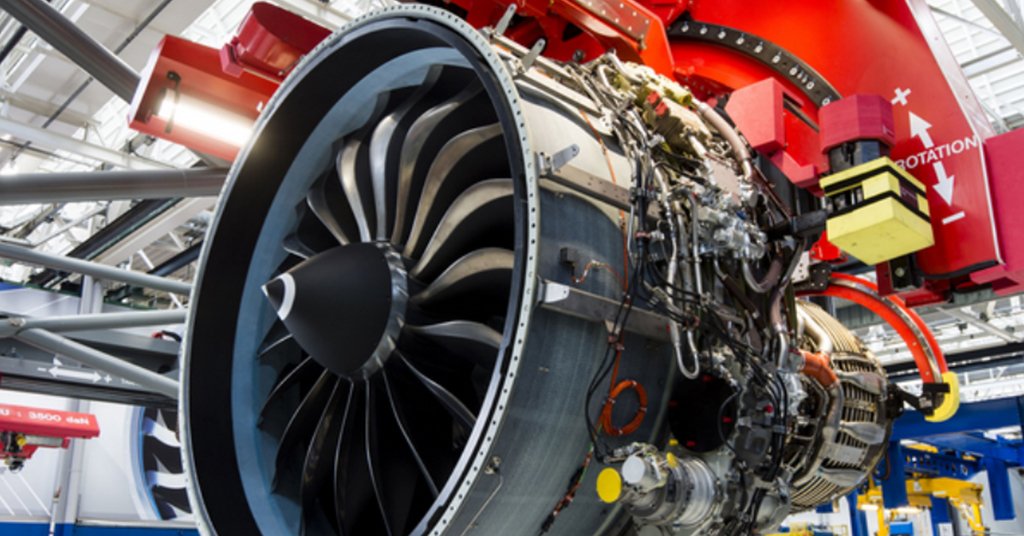
Steam turbines, gas turbines, and internal combustion engines are all types of engines (mechanical devices that generate power). Their ultimate goal is to generate power (for different needs). Their differences mainly lie in their operating principles, sizes, and application scenarios. There is no saying that one is better or worse. Different operating principles The most basic operating principle of an engine is to convert chemical energy (coal, oil, gas, etc.) into mechanical power to drive the load through combustion and other methods. Therefore, the engine can be roughly divided into two parts according to the working process: the combustion system and the power system. If the combustion system and the […]
Welding repair and remanufacturing technology for aircraft engine turbine blades and fan/compressor blades
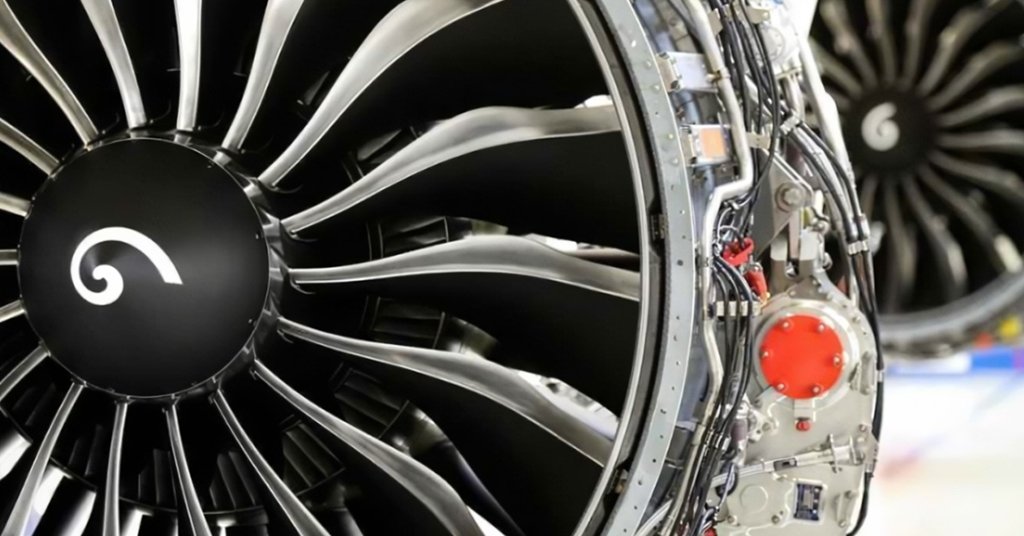
Aircraft engine blades are in a complex and harsh working environment for a long time, and are prone to various types of damage defects. It is expensive to replace blades, and research on blade repair and remanufacturing technology has huge economic benefits. Aircraft engine blades are mainly divided into two categories: turbine blades and fan/compressor blades. Turbine blades usually use nickel-based high-temperature alloys, while fan/compressor blades mainly use titanium alloys, and some use nickel-based high-temperature alloys. The differences in materials and working environments of turbine blades and fan/compressor blades result in different common types of damage, resulting in different repair methods and performance indicators that need to be achieved after […]
Failure detection and repair technology of aircraft engine blades
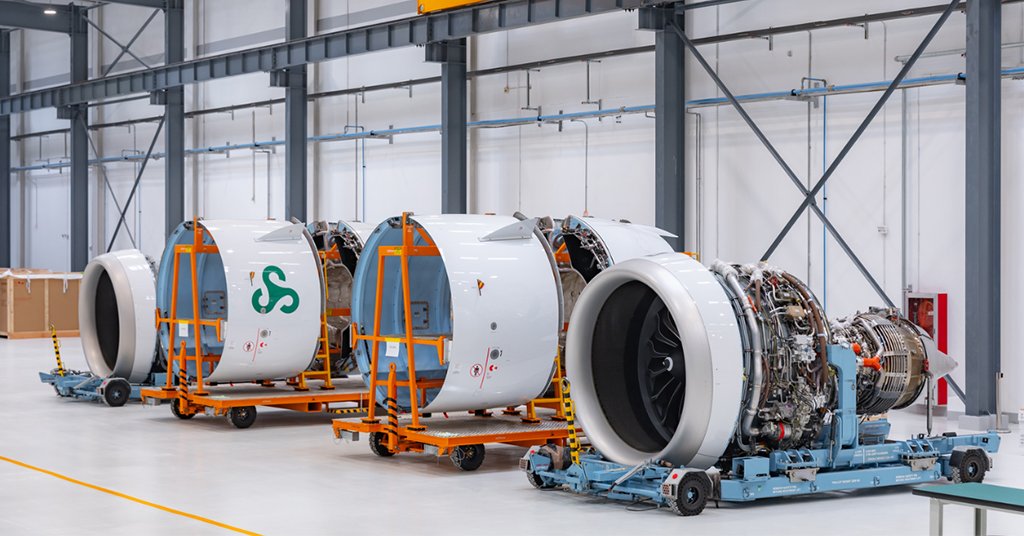
Turbine blades are an important part of aircraft engines, with high temperature, heavy load, and complex structure. The quality of inspection and maintenance is closely related to the durability and service life of the work. This paper studies the inspection and maintenance of aircraft engine blades, analyzes the failure mode of aircraft engine blades, and summarizes the failure detection technology and maintenance technology of aircraft engine blades. In the design of turbine blades, new materials with higher quality are often used, and the working margin is reduced by improving the structure and processing technology, so as to improve the engine thrust-to-weight ratio. The turbine blade is an aerodynamic airfoil that […]
Thermal Corrosion Fatigue Performance and Life Prediction Method for Hot End Components of Carrier based Aircraft Engines

The operating environment for hot-section components of shipboard aircraft engines and gas turbines is extremely harsh. In addition to enduring high temperatures, pressures, and rotational speeds, these components are also subject to the corrosive influences of a maritime environment characterized by high salinity and humidity. Turbine rotor components represent the most critically stressed elements within these engines and turbines. These parts must bear significant alternating loads at temperatures ranging from 600 to 1300°C while also being subjected to thermal corrosion from hot exhaust gases and the marine atmosphere, which significantly increases their damage rate. As a result, turbine rotor components are among the highest failure-rate operational parts. As shown in […]
F-class, H-class, J-class, understanding of gas turbine classification
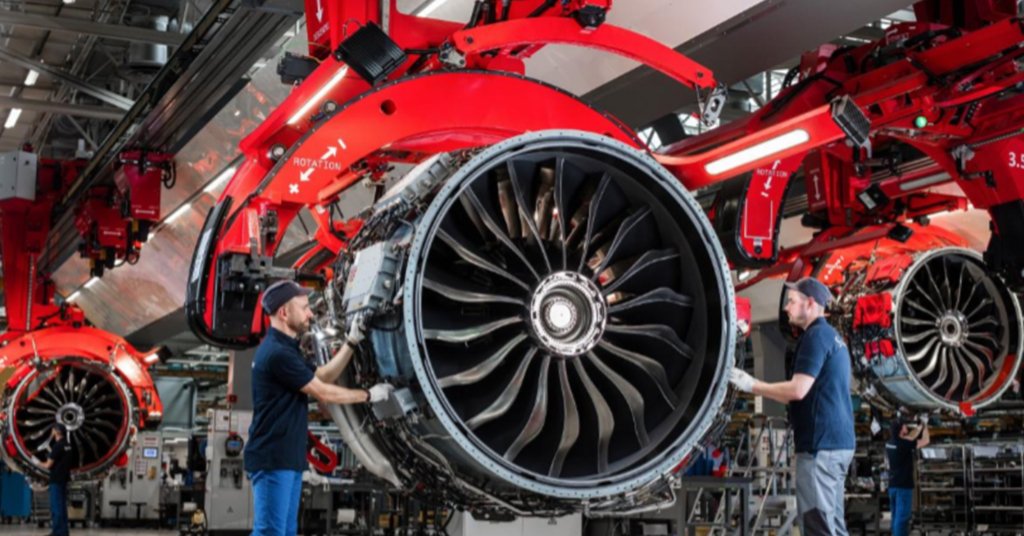
Basic knowledge of gas turbines Gas turbines are mainly composed of three major components: the compressor, the combustion chamber, and the turbine. The gas turbine cycle is generally called a simple cycle. Most gas turbines use a simple cycle scheme, and only heavy-duty gas turbines use a combined cycle scheme. Due to different historical backgrounds, gas turbines have developed along different technical paths. Industrial and marine aero-derivative light gas turbines (commonly known as “aero-derivative machines”) are formed by modifying aircraft engines; industrial heavy-duty gas turbines (widely known as “industrial machines”) are developed following the traditional steam turbine concept, which is mainly used for mechanical drives and large power stations. A […]
 Japanese
  English
  Arabic
  Moroccan Arabic
  Dutch
Dutch  French
  German
  Italian
  Polish
  Portuguese
  Russian
  Spanish
  Turkish
  Azerbaijani
  Indonesian
  Thai
Thai  Korean
  Malay
Malay  Myanmar
  Serbian
  Swedish
  Vietnamese