
Single crystal turbine blades: a technological breakthrough that breaks through high temperature limits (3)
4 Defect formation in DS process As the structure of advanced turbine blades becomes more complex and larger in size, a variety of solidification defects such as stray grains, freckles, low-angle grain boundaries, streaky crystals, orientation deviation, recrystallization, high-angle grain boundaries, and crystal selection failure are more likely to occur during the single crystal growth process. Casting turbine blades in the form of single crystals is a considerable challenge for foundries. The problems existing in single crystal turbine blades are mainly concentrated in the growth process, which is closely related to the structure and growth process of single crystal turbine blades. First, the turbine blade body is thin, the tenon […]
Single crystal turbine blades: a technological breakthrough that breaks through high temperature limits (2)
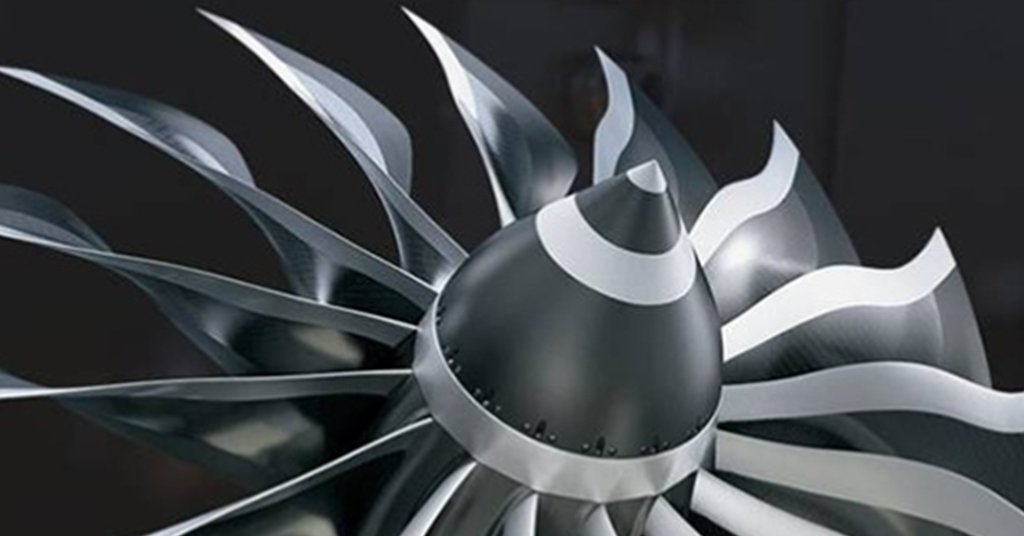
2 Turbine blade development Iterative Development Taking a turbofan engine as an example, the value of the blades accounts for as much as 35%, and they are a critical component in the manufacture of aircraft engines. In an engine, there are 3,000 to 4,000 aviation blades, which can be divided into three categories: fan blades, compressor blades, and turbine blades. The value of turbine blades is the highest, reaching 63%. At the same time, they are also the blades with the highest manufacturing difficulty and manufacturing cost in turbofan engines [2]. In the 1970s, the United States was the first to use PWA1422 directional solidification blades in military and […]
Single crystal turbine blades: a technological breakthrough that breaks through high temperature limits (1)
1 Development of aviation gas turbine engines As the performance requirements for aircraft for transportation, military, production and other purposes increased, the earliest piston engines could no longer meet the needs of high-speed flight. Therefore, since the 1950s, gas turbine engines have gradually become mainstream. In 1928, Sir Frank Whittle of the United Kingdom pointed out in his graduation thesis “Future Development in Aircraft Design” while studying at the military academy that under the technical knowledge at that time, the future development of propeller engines could not adapt to the needs of high altitude or flight speeds exceeding 800km/h. He first proposed the concept of what is now called a […]
How are aircraft engine high-pressure turbine rotor blades manufactured?
The principle of how aircraft engine high-pressure turbine rotor blades are manufactured is very simple, but the various parameters in this process require a lot of experiments to obtain the parameters of each node, the composition of auxiliary materials, and a lot of luck. First, the high-pressure turbine rotor blades require complex internal cooling air ducts (see the figure below). First, the internal cooling air ducts are made (excluding cooling air holes, which will be discussed later). The wax mold is then cast with a special ceramic to form the air ducts. After having this ceramic airway mold, put it together with the blade outer mold and put it into […]
Why do aircraft engines use integral blades? They are the key to flying!
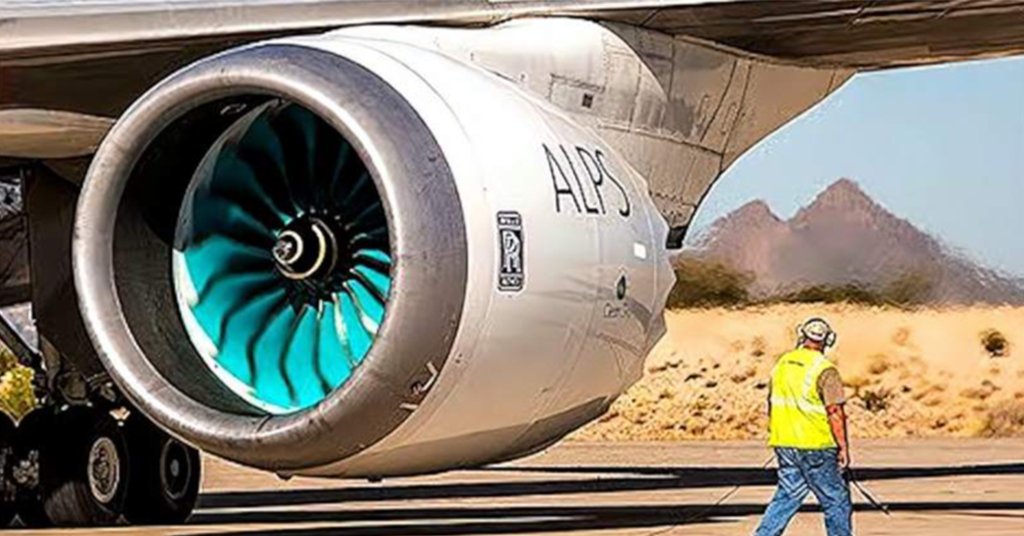
The aircraft engine is the “heart” of the aircraft and is also known as the “crown jewel of industry”. Its manufacturing integrates many cutting-edge technologies in modern industry, involving materials, mechanical processing, thermodynamics and other fields. As countries have higher and higher requirements for engine performance, new structures, new technologies and new processes in research and development and application are still constantly challenging the peak of modern industry. One of the important factors in improving the thrust-to-weight ratio of aircraft engines is the integral blade disk. Advantages of blisks Before the emergence of the integral blade disk, the rotor blades of the engine needed to be connected to the wheel […]
The influence of hot corrosion on the fatigue performance of hot end component materials
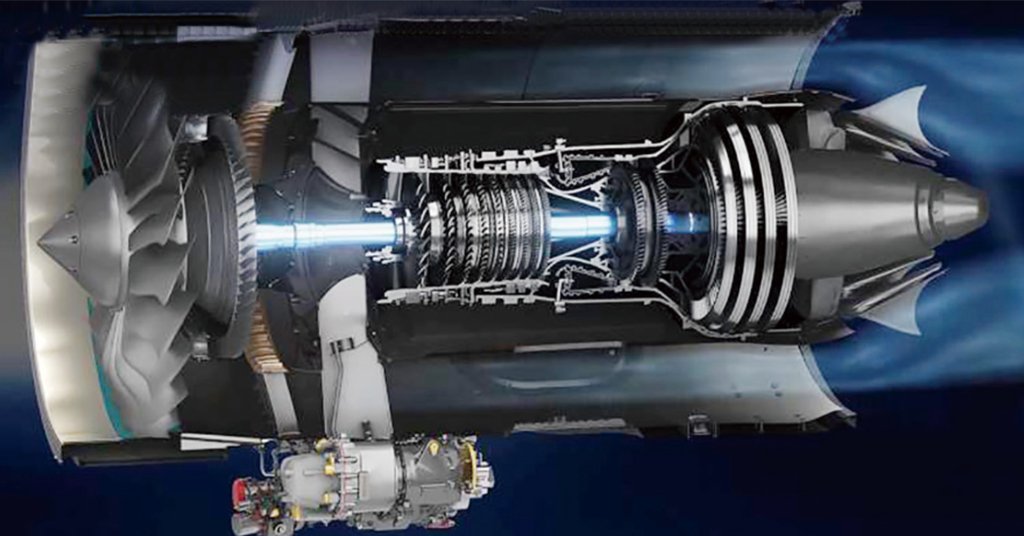
At present, there is a clear understanding of the influence and mechanism of hot corrosion on the fatigue performance of turbine disk alloys. However, similar to high-temperature alloys for turbine blades, existing research results are mainly based on pre hot corrosion of turbine disk alloys and fatigue tests, which cannot reflect the interaction between hot corrosion and mechanical loads in real time. Therefore, further research is needed to investigate the fatigue failure mechanism and law of turbine disk alloys under the coupling effect of hot corrosion and fatigue loads. In addition, for turbine disks, in order to improve the level of damage tolerance design and meet the durability, reliability, and […]
The whole machine is stunning! Graphic animation takes you to understand the four major violent testing experiments of aircraft engines
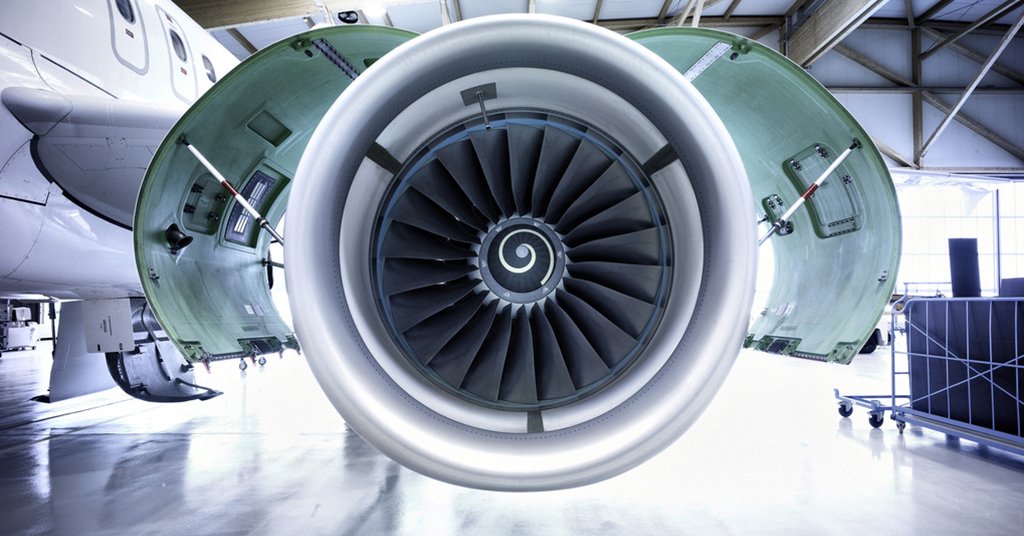
An aircraft engine is a highly complex and precise thermodynamic machine. As the heart of an aircraft, it is not only the driving force for flight, but also an important driving force for the development of the aviation industry. Every important change in human aviation history is closely related to the technological progress of aircraft engines. Aircraft engines are known as the “flower of industry” and are high-tech products that are capital and technology intensive. This article will take you through the four essential violent testing tests that must be conducted for the entire aircraft engine. First: Swallowing test When an airplane flies on rainy days, the engine will ingest […]
Turbine Basics – Turbine and Blade Cooling Technology
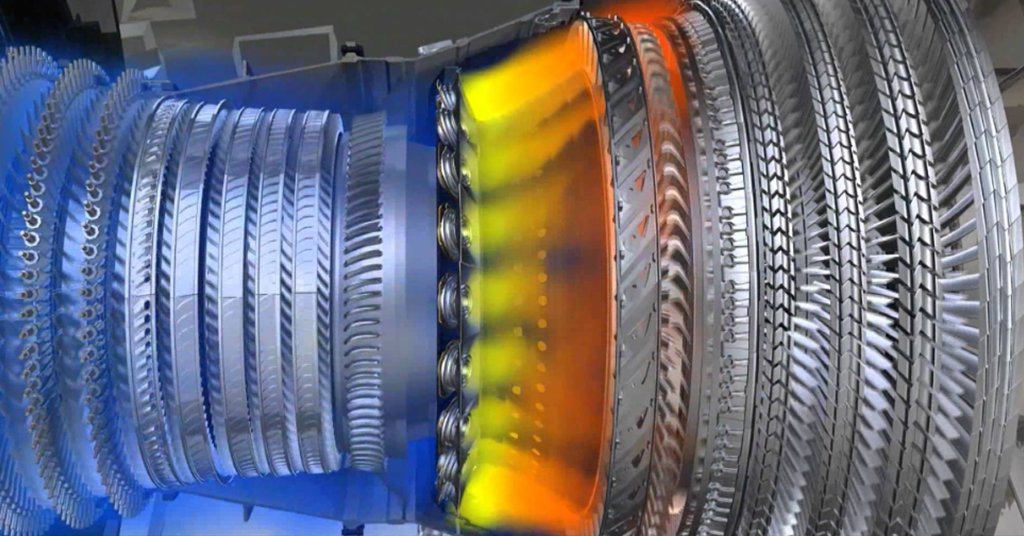
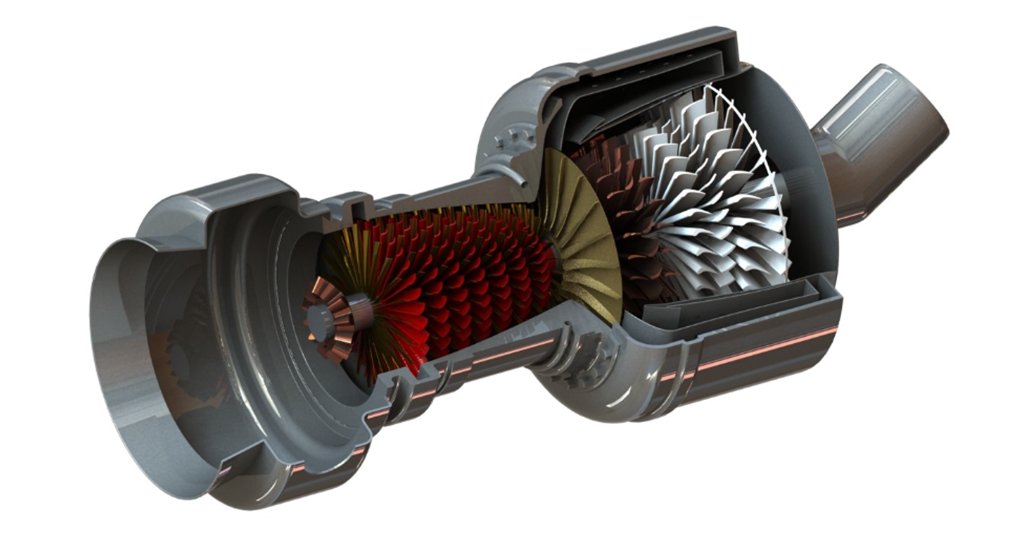
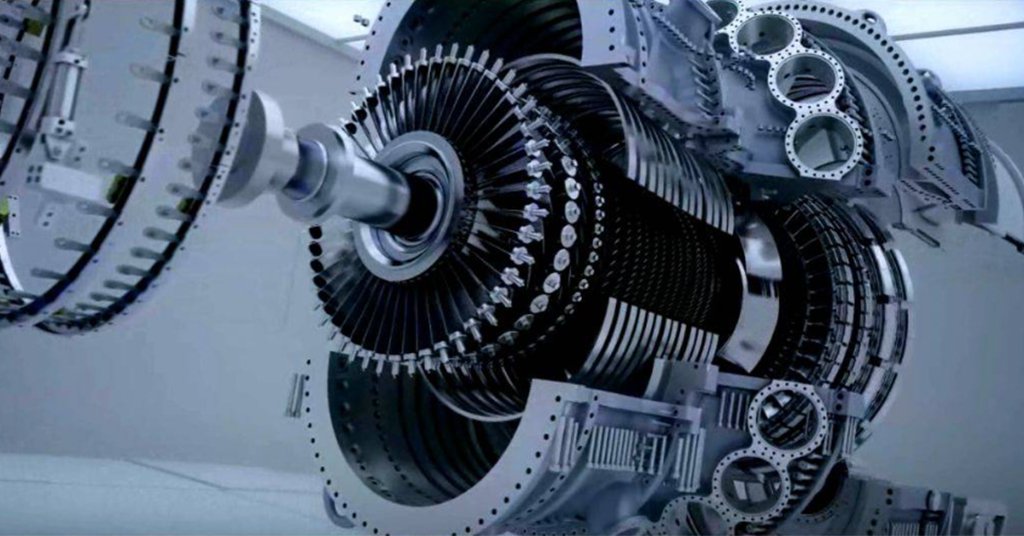
Axial flow turbine structure A turbine is a rotary power machine that converts the enthalpy of a working fluid into mechanical energy. It is one of the main components of aircraft engines, gas turbines, and steam turbines. The energy conversion between turbines and compressors and airflow is opposite in procedure. The compressor consumes mechanical energy when it is running, and the airflow gains mechanical energy when it flows through the compressor, and the pressure and enthalpy increase. When the turbine is running, shaft work is output from the turbine shaft. Part of the shaft work is used to overcome the friction on the bearings and drive the accessories, and the […]
Analysis of the development history, market status and development trend of turbine blades
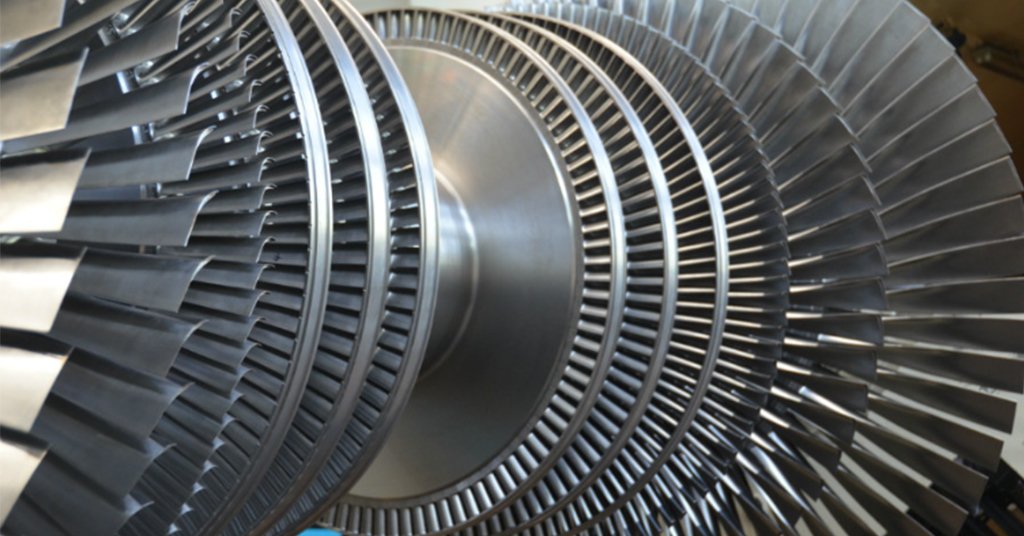
Development History and Trends of Turbine Blades Turbine blades are divided into two categories: turbine guide blades and turbine working blades. The main function of turbine guide vanes is to adjust the flow direction of the exhaust gas from the combustion chamber. The material operating temperature can reach up to over 1,100°C, and the stress borne by turbine guide vanes is generally less than 70MPa. This component is often scrapped due to distortion caused by large thermal stress, thermal fatigue cracks caused by sudden temperature changes, and burns caused by local excessive temperatures. The turbine blades are located in the turbine engine with the highest temperature, the most complex stress […]
 Japanese
  English
  Arabic
  Moroccan Arabic
  Dutch
Dutch  French
  German
  Italian
  Polish
  Portuguese
  Russian
  Spanish
  Turkish
  Azerbaijani
  Indonesian
  Thai
Thai  Korean
  Malay
Malay  Myanmar
  Serbian
  Swedish
  Vietnamese