
“Ceramic Core” in Casting Technology for Hollow Turbine Blades
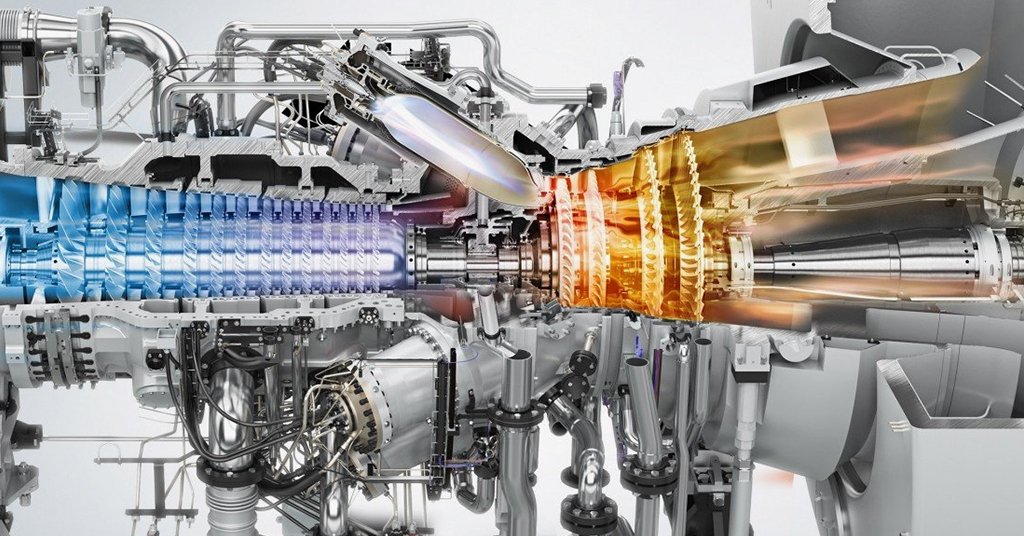
If the aviation engine and ground gas turbine are the “crown jewels” of modern industry, then turbine blades are the “jewels in the crown”. Turbine engines generate thrust by impacting turbine blades with high-temperature gas, driving the rotor at high speed. Among them, the ability of turbine blades to withstand high temperatures has a very large impact on the performance of the entire engine, because the higher the temperature that turbine blades can withstand, the greater the energy that can be obtained from doing work. Research shows that if the temperature at the front end of the turbine is raised by 100℃, the engine’s thrust can be increased by 10%. […]
Development of Aero-Derivative Gas Turbines Technology
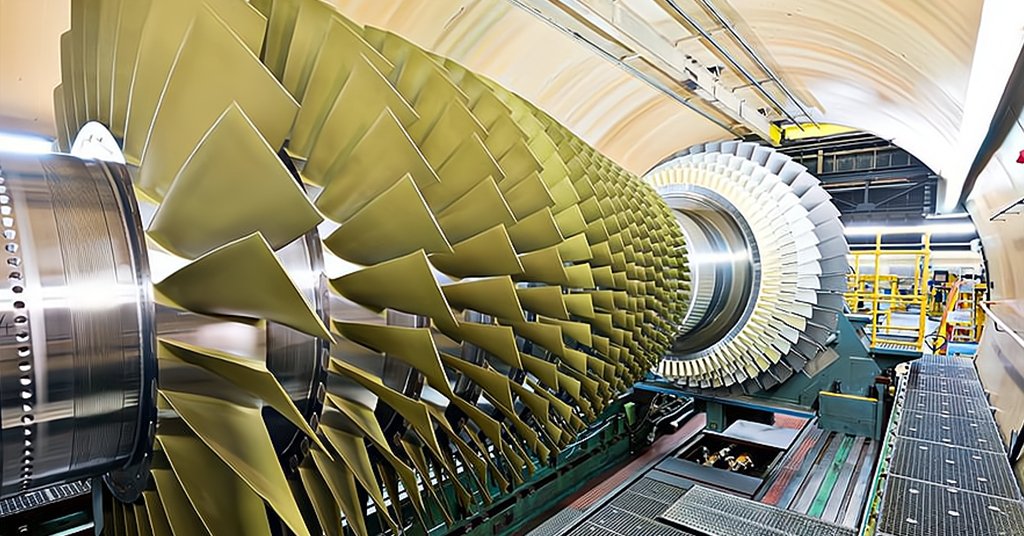
Affected by political, military and economic factors, the development of aircraft engine technology is faster than that of gas turbines. Gas turbines and aircraft engines have a wide range of technical commonalities, and can be shared in design systems, manufacturing systems, talent systems and test systems. Therefore, based on the huge market demand and obvious application advantages of gas turbines, it has become an industry consensus to develop gas turbines based on high-performance, mature aircraft engines and advanced industrial technologies and design methods. There are two ways to transfer aircraft engine technology to gas turbines, as shown in Figure 1: one is to directly modify and derive mature aircraft engines […]
BLAZE Knowledge Classroom:Gas Turbine
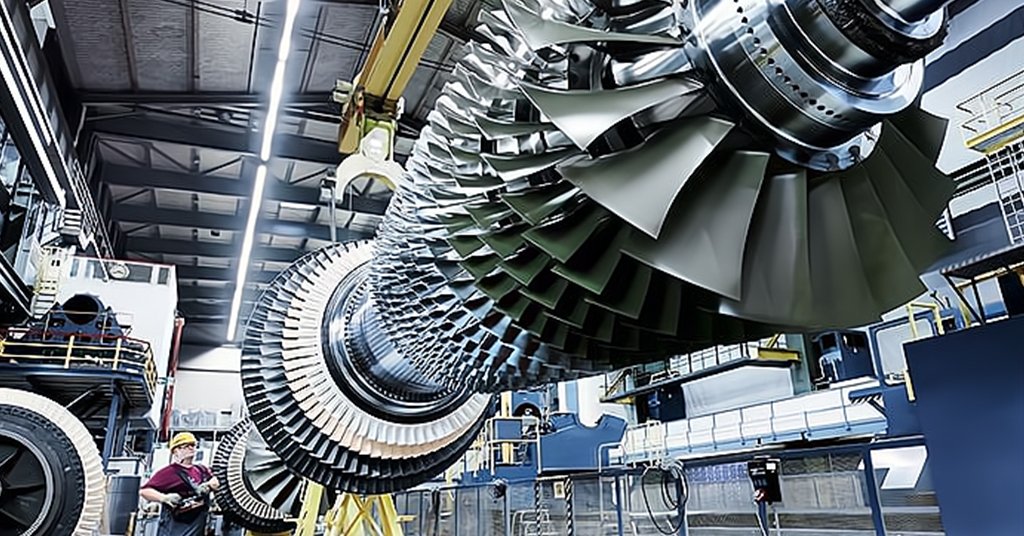
Basic Concepts According to the “Gas Turbine Vocabulary” (GB/T 15135-2018), a gas turbine refers to a continuous-flow rotating machine (single machine) that converts thermal energy into mechanical work, including a compressor, equipment for heating the working fluid (such as a combustion chamber), a turbine, a control system and auxiliary equipment. Industrial gas turbine engines, generally referred to as gas turbines or turbines, industrial gas engines, are essentially the same thing as aviation turbine gas engines (referred to as aviation engines), but the application scenarios are slightly different. They compress high-pressure gas into a combustion chamber, and through the reaction of chemical energy, convert the chemical energy into mechanical work through […]
Thermal Corrosion Fatigue Performance and Life Prediction Method for Hot End Components of Carrier based Aircraft Engines
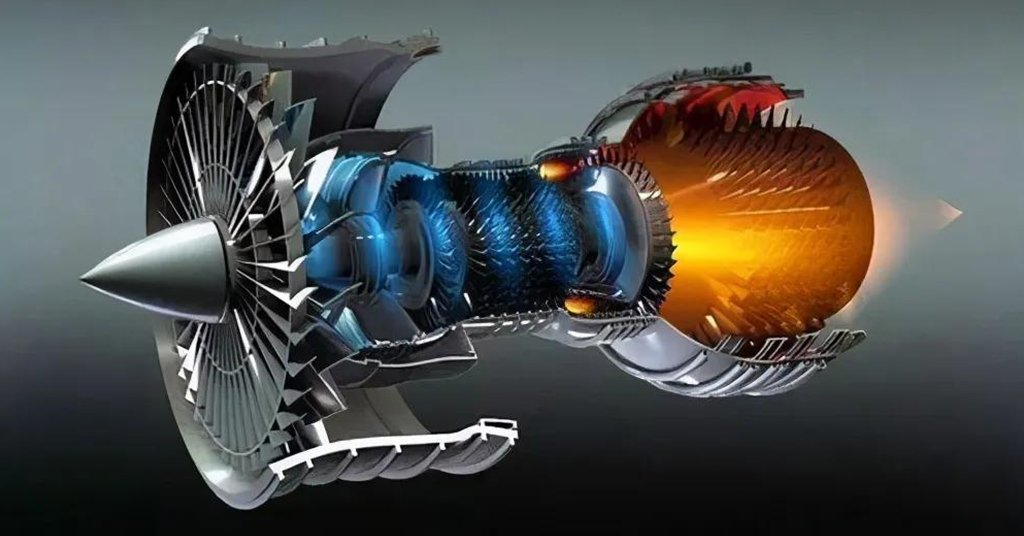
The influence of hot corrosion on the fatigue performance of hot end component materials Hot corrosion fatigue performance of high-temperature alloys for turbine blades Many scholars have explored and studied the effect of hot corrosion on the fatigue performance of high-temperature alloys for turbine blades under different conditions. The main method is to pre treat the high-temperature alloy with hot corrosion and then conduct fatigue tests. In most cases, corrosion pit propagation and crack initiation account for the majority of the hot corrosion fatigue life [51]. The fatigue cracks of un corroded specimens often originate from defects near the surface/subsurface of the alloy and propagate inward. The cracks caused by […]
Thermal Corrosion Fatigue Performance and Life Prediction Method for Hot End Components of Carrier based Aircraft Engines (2)

Hot Corrosion Mechanism of Turbine Disk High Temperature Alloy The high-temperature alloys used for aircraft engine turbine disks are deformable high-temperature alloys (such as Inconel 718, GH4169, etc.) and powder high-temperature alloys (such as RR1000, ME3, FGH96, etc.). The service temperature of deformed high-temperature alloy turbine discs is usually not higher than 650 ℃, while the service temperature of powder high-temperature alloy turbine discs is usually not higher than 750 ℃. The thermal corrosion that occurs under the coupling of marine environment and working conditions is mainly low-temperature thermal corrosion. At present, domestic and foreign scholars mainly study the hot corrosion mechanism of turbine disk alloys by hot corrosion of […]
Anti-CMAS Corrosion of Thermal Barrier Coatings for Gas Turbines (1)

Affected by the external environment, some environmental deposits are often produced on the surface of the hot end components of heavy-duty gas turbines (such as turbine blades), mainly from molten salts in the marine environment, vanadates and sulfates, the combustion products of low-grade fuels, and sand, fly ash, runway debris in the air, etc. These deposits have a great impact on the life of the coating and will penetrate into the coating at high temperatures, thereby causing molten salt corrosion. Therefore, molten salt corrosion is difficult to avoid in the actual application of thermal barrier coatings for heavy-duty gas turbines. In gas turbines, thermal corrosion is an important failure mode. […]
Thermal Corrosion Fatigue Performance and Life Prediction Method for Hot End Components of Carrier based Aircraft Engines (1)
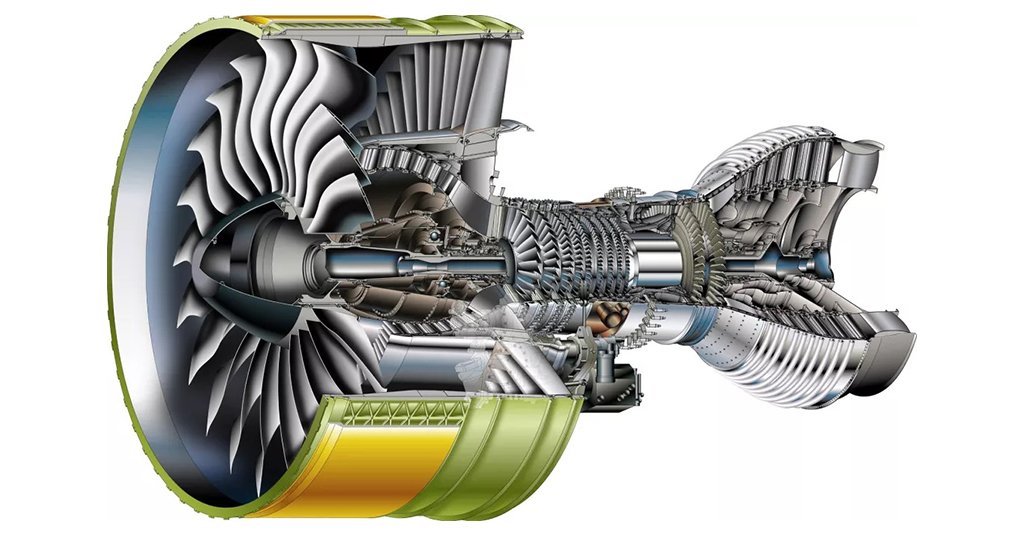
The operating environment for hot-section components of shipboard aircraft engines and gas turbines is extremely harsh. In addition to enduring high temperatures, pressures, and rotational speeds, these components are also subject to the corrosive influences of a maritime environment characterized by high salinity and humidity. Turbine rotor components represent the most critically stressed elements within these engines and turbines. These parts must bear significant alternating loads at temperatures ranging from 600 to 1300°C while also being subjected to thermal corrosion from hot exhaust gases and the marine atmosphere, which significantly increases their damage rate. As a result, turbine rotor components are among the highest failure-rate operational parts. As shown in […]
Research progress and development trend of heavy-duty gas turbines and their thermal barrier coatings (5)
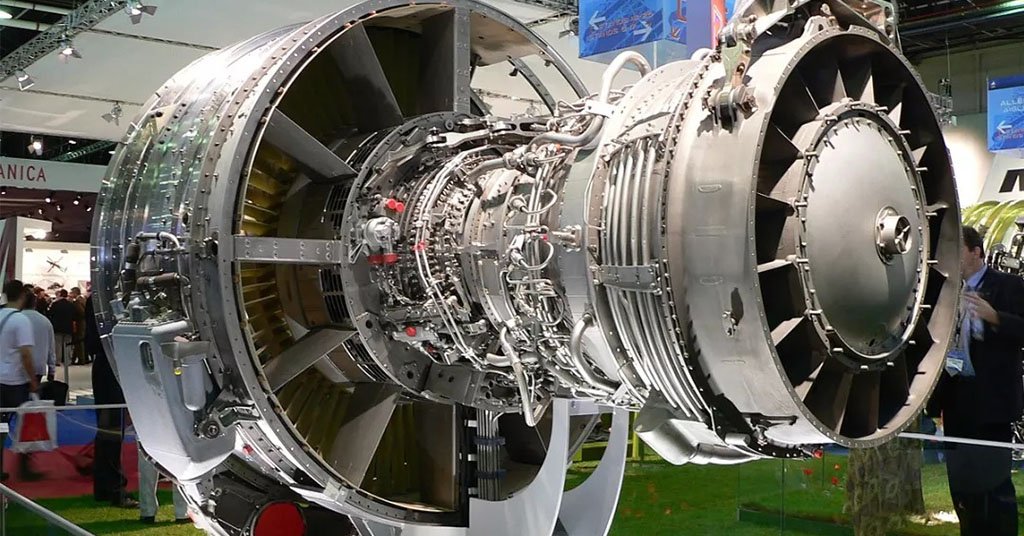
Anti-CMAS Corrosion of Thermal Barrier Coatings for Gas Turbines Affected by the external environment, some environmental deposits are often produced on the surface of the hot end components of heavy-duty gas turbines (such as turbine blades), mainly from molten salts in the marine environment, vanadates and sulfates, the combustion products of low-grade fuels, and sand, fly ash, runway debris in the air, etc. These deposits have a great impact on the life of the coating. They will penetrate into the coating at high temperatures, causing molten salt corrosion. Therefore, molten salt corrosion is difficult to avoid in the practical application of thermal barrier coatings for heavy-duty gas turbines. In gas […]
Research progress and development trend of heavy-duty gas turbines and their thermal barrier coatings (4)
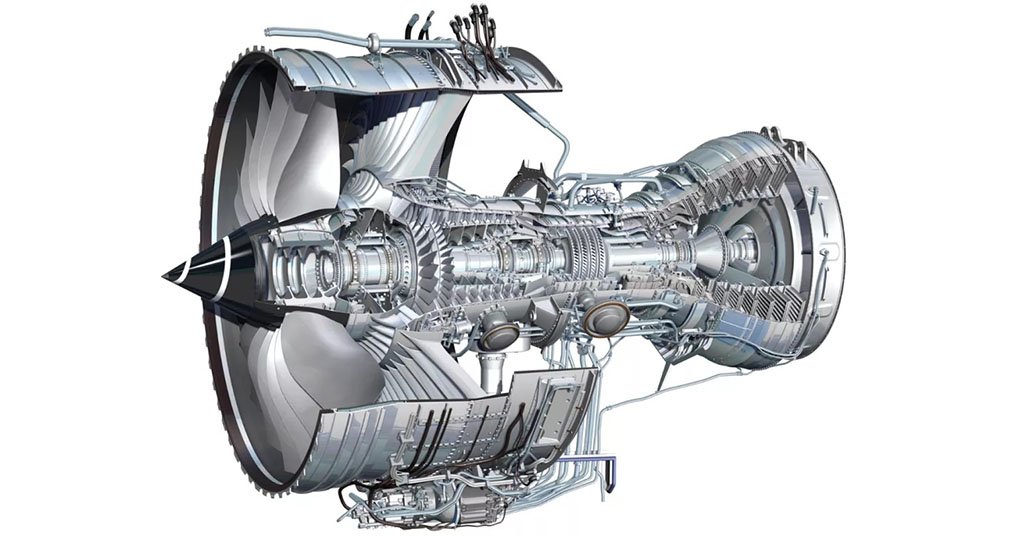
Key properties of gas turbine thermal barrier coating Because the work of ground heavy gas turbines is generally in a complex environment, and the maintenance cycle is long, it can be as high as 50,000 hours. Therefore, in order to improve gas turbine thermal barrier coating technology and extend the service life of thermal barrier coating, in recent years, researchers have conducted a lot of research on the key properties of thermal barrier coating, such as heat insulation, oxidation resistance, thermal shock resistance and CMAS corrosion resistance. Among them, the research and progress of thermal barrier coatings on heat insulation, oxidation resistance and thermal shock resistance are relatively sufficient, but […]
 Japanese
  English
  Arabic
  Moroccan Arabic
  Dutch
Dutch  French
  German
  Italian
  Polish
  Portuguese
  Russian
  Spanish
  Turkish
  Azerbaijani
  Indonesian
  Thai
Thai  Korean
  Malay
Malay  Myanmar
  Serbian
  Swedish
  Vietnamese