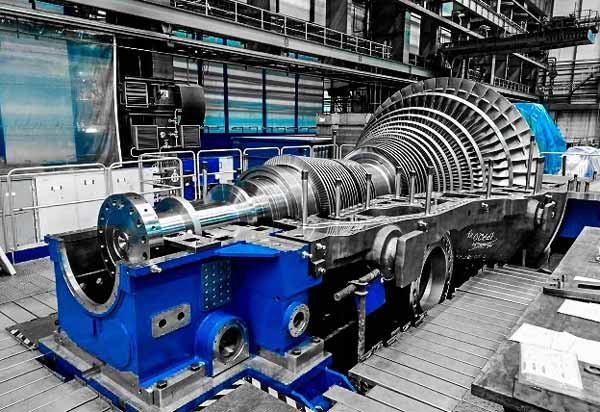
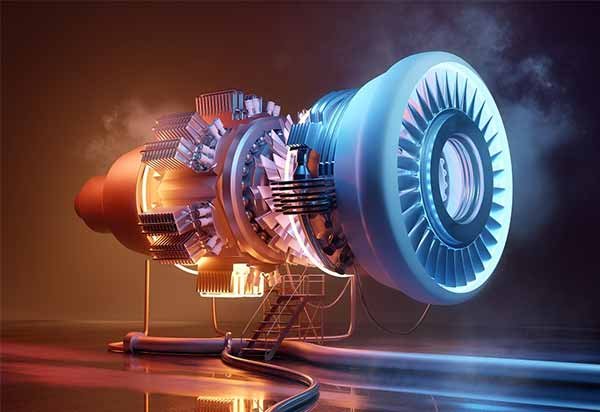
Equiaxed casting is a casting technology that controls the cooling rate and grain growth conditions to form a uniform equiaxed grain structure inside the casting. This grain structure has no obvious orientation, and the grains are equiaxed in all directions, thus ensuring the isotropy of material properties.
Equiaxed casting is an important process for manufacturing turbine products, especially in the production of turbine blades for aircraft engines and gas turbines. This process can produce high-quality blades with excellent mechanical properties and durability.
Áreas de aplicação das peças de turbinas fundidas por fundição direcional
Aerospace: In the turbine components of aircraft engines, it ensures reliability and high performance in harsh operating environments.
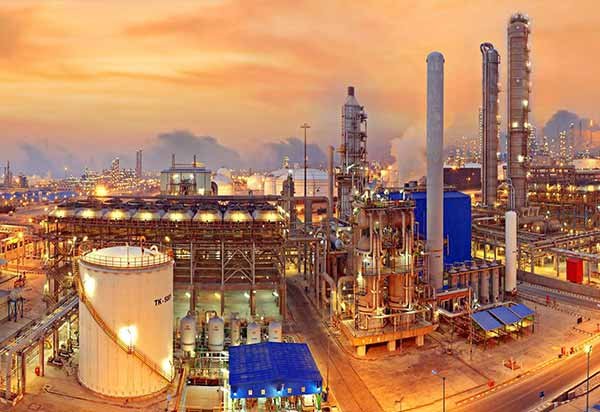
Industrial gas turbines: Provide high-quality turbine accessories for various industrial gas turbines, adapting to high temperature and high pressure conditions.
Shipbuilding: Turbine-related components used in ship power systems to ensure stable operation in marine environments.
Power generation: Used in turbine systems of some gas-fired power generation equipment to ensure power generation efficiency and stability.
According to the use temperature, equiaxed crystal casting high-temperature alloys can be divided into
Products used in environments below 650℃
Products used in environments below 650℃ have excellent low-temperature properties, and their strength and plasticity will not decrease under low temperature conditions. They have good tensile strength, yield strength, and service life, and can be used to manufacture diffusers, turbine pumps, etc.
Products used in environments above 650℃
Products used in environments above 650℃ have excellent high-temperature properties, and their mechanical properties and corrosion resistance are still excellent under high temperature conditions. They have good tensile strength and lasting strength, and can be used to manufacture turbine blades, guide vanes, etc.
Advantages of equiaxed crystal casting
Isotropy
The physical properties of equiaxed crystal casting blades are roughly the same in different directions, providing stable performance for blade operation.
Crack resistance
The equiaxed grain structure increases the difficulty of crack propagation paths, thereby helping to enhance the overall strength and fatigue resistance of the material.
Cost-effectiveness
This process is more economical than producing columnar crystal or single crystal turbine blades and is suitable for mass production.
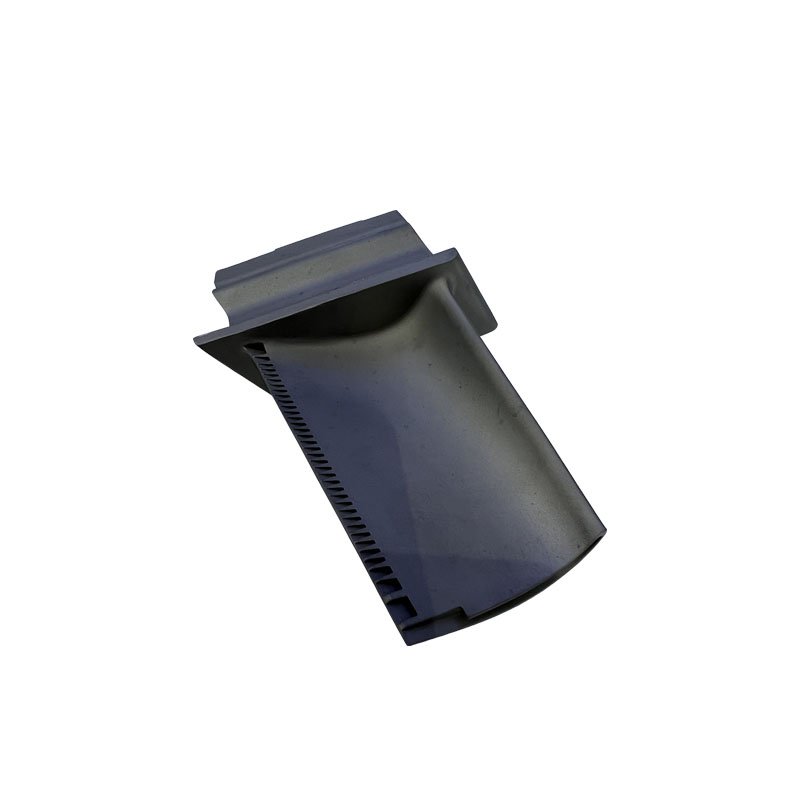
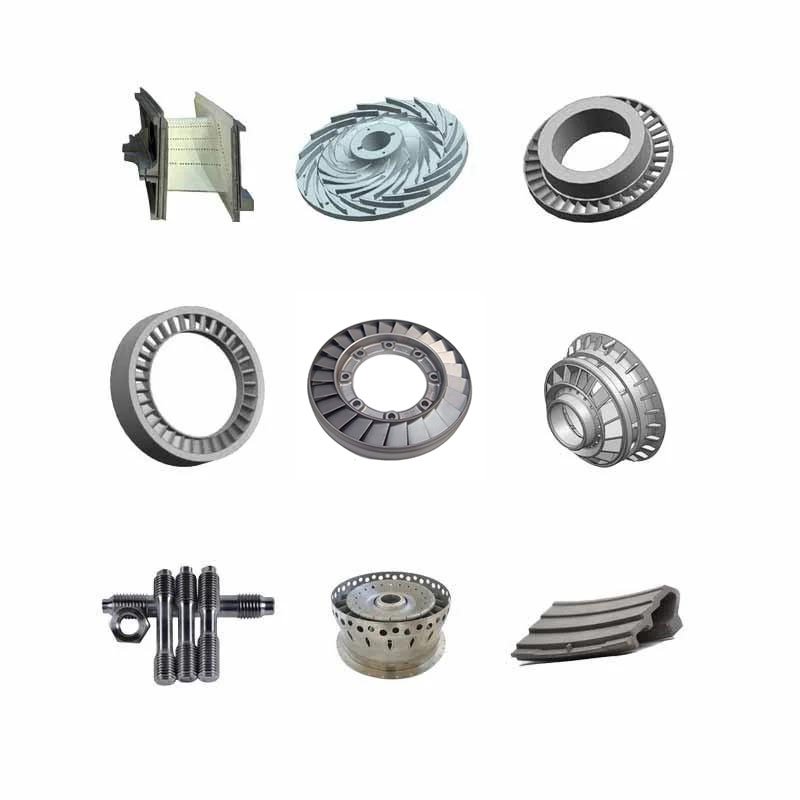
As pás de turbina fabricadas a partir de peças fundidas equiaxiais são amplamente utilizadas em motores de aviação e turbinas a gás. Estas pás apresentam boa resistência a altas temperaturas e à corrosão, sendo adequadas para componentes de turbinas sujeitos a altas temperaturas e altas pressões.
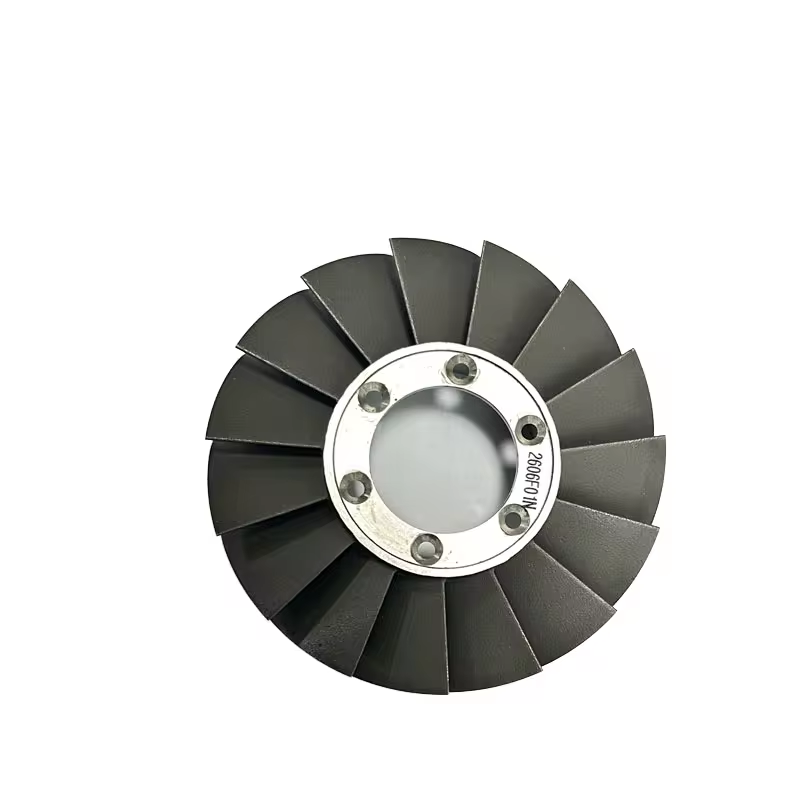
Os discos de turbina são componentes importantes que suportam as pás da turbina e transmitem potência. O processo de fundição equiaxial permite produzir discos de turbina com boas propriedades mecânicas e durabilidade, adequados para diversos equipamentos de turbina.
Câmara de combustão
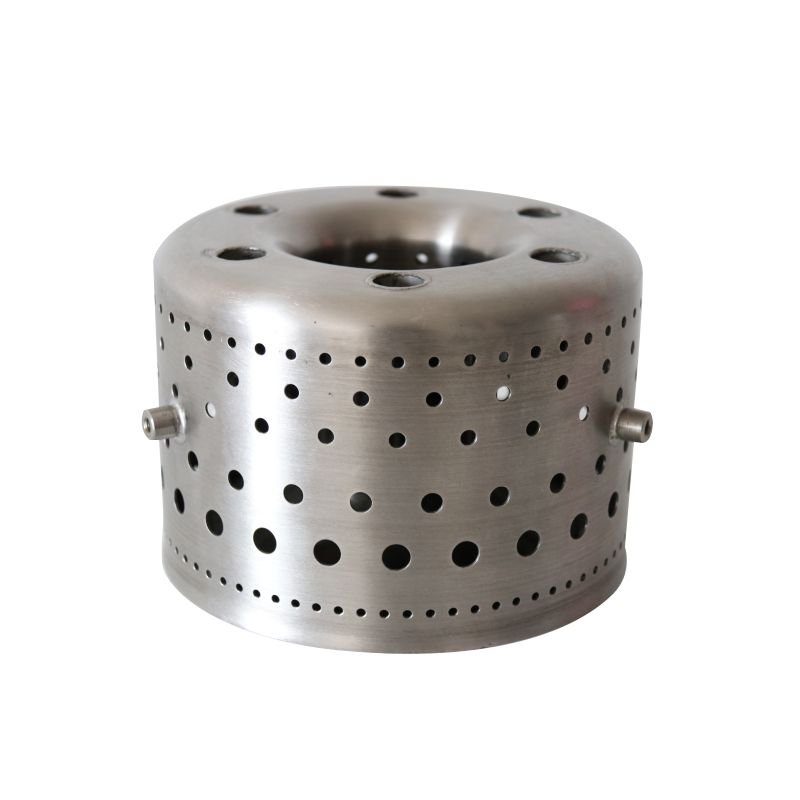
Os revestimentos da câmara de combustão têm de funcionar em ambientes de alta temperatura e alta pressão. O processo de fundição equiaxial pode produzir revestimentos com resistência à oxidação a alta temperatura e resistência à corrosão.
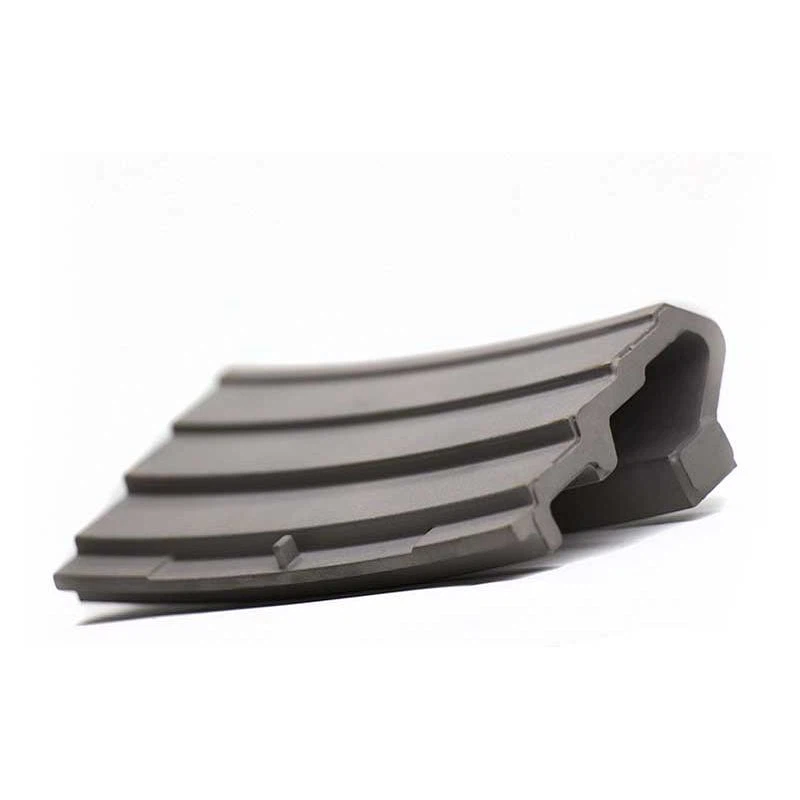
Amplamente utilizado em motores de aviação e turbinas a gás. Este design contribui para melhorar a precisão de fabrico das pás, reduzir a concentração de tensões e facilitar a substituição e a manutenção.
Pás-guia
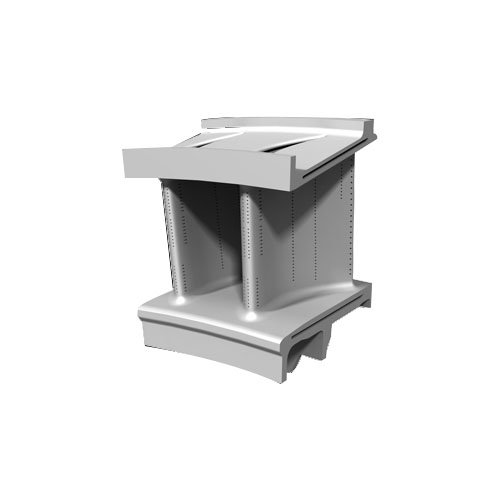
As pás guia são utilizadas para ajustar a direção do fluxo de ar e melhorar a eficiência de funcionamento das turbinas. A fundição equiaxial garante que estas pás apresentem uma estrutura de grão uniforme e boas propriedades mecânicas.
Os acessórios da turbina do motor incluem também vários componentes essenciais, cada um dos quais desempenha um papel fundamental no ambiente de alta temperatura, alta pressão e alta velocidade do motor.


 English
 Arabic
 Moroccan Arabic
 Dutch
Dutch French
 German
 Italian
 Polish
 Portuguese
 Russian
 Spanish
 Turkish
 Azerbaijani
 Indonesian
 Thai
Thai Japanese
 Korean
 Malay
Malay Myanmar
 Serbian
 Swedish
 Vietnamese